Root Debridement (Deep Cleaning)
A non-surgical treatment that removes plaque, tartar and bacterial toxins from below the gum line, allowing the gums to heal.

Care by concern
Gum disease is a progressive inflammatory condition that affects the gums and supporting structures around the teeth. It often begins quietly, but without treatment it can lead to gum recession, bone loss, loose teeth and tooth loss.
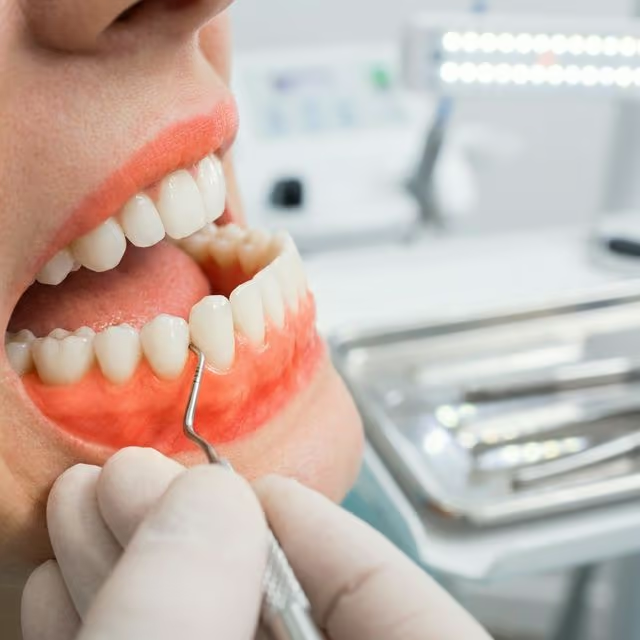
Gingivitis is the early, reversible stage of gum disease and commonly causes redness, swelling and bleeding during brushing or flossing.
If it progresses to periodontitis, the supporting bone and tissues can be damaged. Advanced periodontal disease has also been associated with heart disease, diabetes complications, respiratory infections and adverse pregnancy outcomes.
Dental Nation provides comprehensive periodontal care focused on early detection, deep cleaning, tissue-regeneration support and long-term maintenance.
Common signs
A non-surgical treatment that removes plaque, tartar and bacterial toxins from below the gum line, allowing the gums to heal.
Scheduled follow-up cleaning to control bacteria and reduce the risk of relapse.
Procedures that manage exposed roots, reduce sensitivity and restore gum contour for functional and aesthetic improvement.
A gentle, advanced cleaning system that removes biofilm and stains while preserving healthy tooth structure and soft tissues.
Strengthens enamel and protects exposed root surfaces that may become vulnerable after gum recession.
A minimally invasive laser-assisted periodontal treatment that targets diseased tissue, removes harmful bacteria and supports regeneration of gum and bone structures.
Dental Nation focuses on early diagnosis, minimally invasive treatment and long-term gum stability. Continuous monitoring, patient education and advanced periodontal care help patients maintain strong gums and stable teeth.
Your next step
Book a gum assessment to understand the condition and the appropriate treatment plan.
Assessment, diagnosis and treatment recommendations depend on the patient's individual needs and clinical findings.