Tooth Extraction
Simple or surgical removal when a wisdom tooth causes discomfort or creates a risk to oral health.

Care by concern
Wisdom teeth are the last teeth to erupt, usually between the ages of 17 and 25. When there is not enough space, they may remain trapped under the gum or bone or erupt at an incorrect angle.
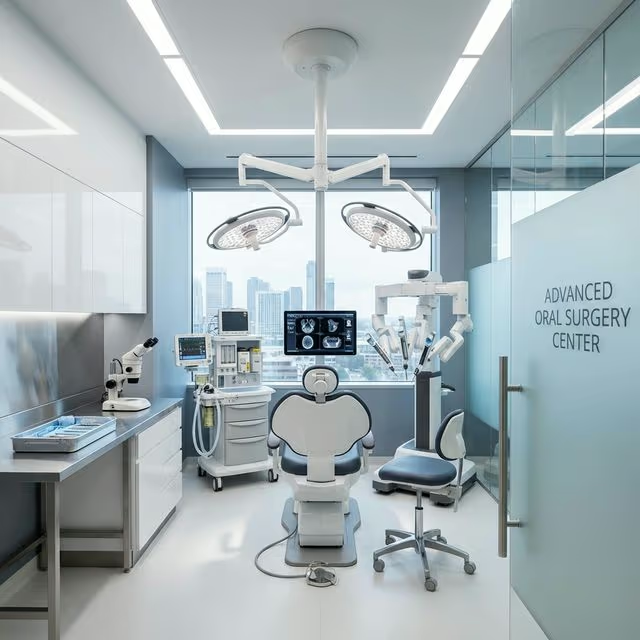
Impacted or poorly positioned wisdom teeth can cause pain, swelling, gum infection, bad breath, difficulty opening the mouth, food trapping and damage to nearby teeth.
They may also contribute to cyst formation, crowding and repeated inflammation around the tooth. Some patients have no pain until complications develop, making clinical examination and radiographic imaging important.
Dental Nation provides assessment and management using modern diagnostics, minimally invasive surgical techniques and patient-comfort protocols.
Possible signs
Simple or surgical removal when a wisdom tooth causes discomfort or creates a risk to oral health.
Surgical management of partially or fully impacted teeth using advanced instruments to minimise tissue trauma and healing time.
Used in selected cases to reduce bleeding, swelling and post-operative discomfort while supporting healing.
Panoramic and 3D scans used to assess tooth position, nerve proximity, bone structure and surgical planning.
Sedation options for anxious patients or complex extractions, allowing a relaxed and pain-controlled experience without full anesthesia.
Not every wisdom tooth needs to be removed. When treatment is required, Dental Nation prioritizes precise planning, gentle techniques and post-treatment follow-up to support healing and long-term oral stability.
Your next step
Book an assessment for wisdom-tooth pain, swelling or an impacted tooth.
Assessment, diagnosis and treatment recommendations depend on the patient's individual needs and clinical findings.