
Dental Nation
Symptom guide

Adult Tooth Not Erupting

An adult tooth that has not erupted may have an unusual or blocked eruption path, so examination and sometimes imaging are needed.

[2][3]

The short answer

An adult tooth that has not erupted may have an unusual or blocked eruption path, requiring assessment of the developing teeth.

[2][3]
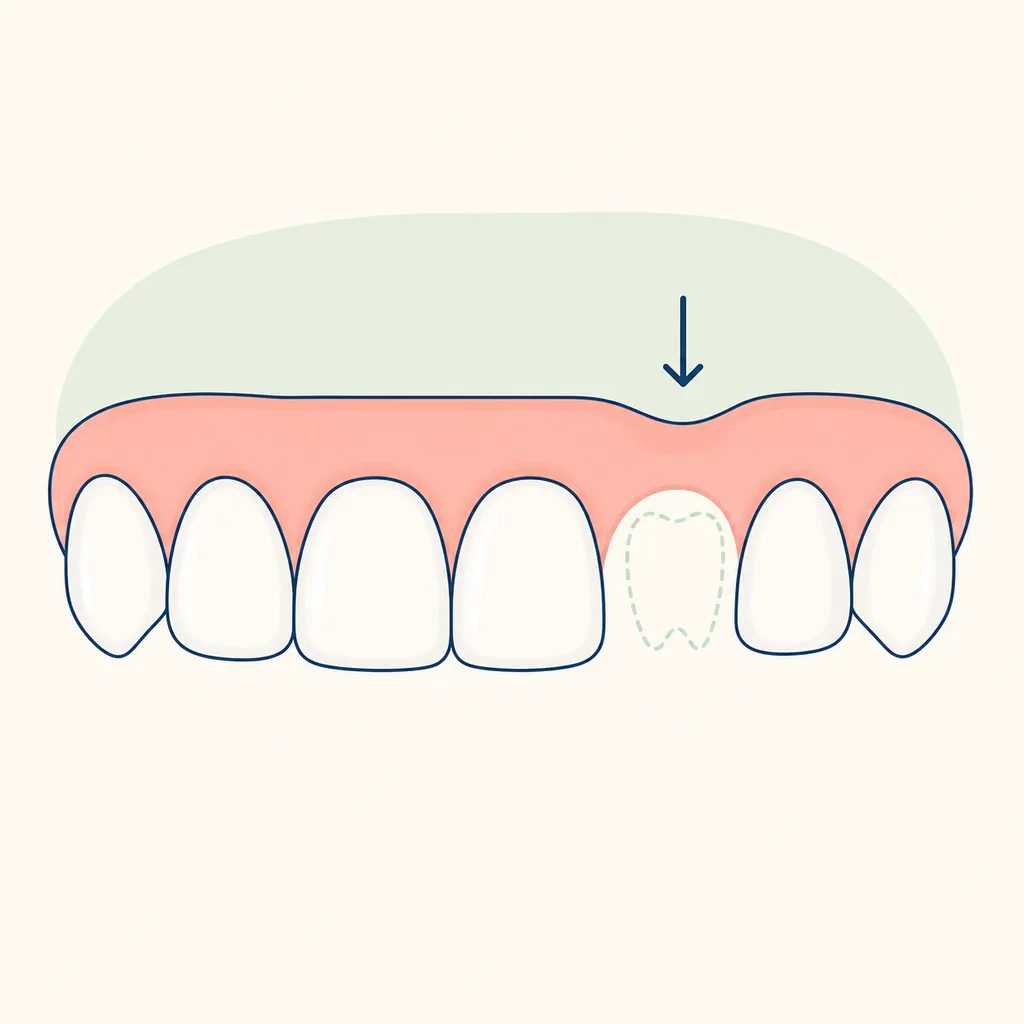
Adult Tooth Not Erupting dental educational illustration

What it feels like

What it feels like
SituationWhat it suggestsWhat to do
No pain or swellingThe concern is an absent or delayed toothBook an assessment[2][3]
Pain, swelling, or feverThe symptom combination affects urgencyTell the service when booking[2][3]

[2][3]

Common causes

An over-retained baby tooth, supernumerary tooth, or other obstruction can delay eruption. An asymmetric pattern or delayed upper incisors can suggest a supernumerary tooth such as a mesiodens.

[1][2][3]
Common causes
SituationWhat it suggestsWhat to do
Expected space remains emptyThe eruption pattern needs reviewArrange a dental assessment[1][2][3]
Baby tooth is still presentThe dentist checks whether it is affecting eruptionMention the retained tooth[1][2][3]
Pain or swelling is presentThe child needs more prompt clinical adviceContact a dental service[1][2][3]

[1][2][3]

What relief is safe tonight?

Keep the mouth clean with gentle brushing and do not press, cut, or try to uncover the gum at home.

[2][3]

How is it diagnosed?

The examination assesses the space for the adult tooth, the developing dentition, and any tooth or tissue affecting its path. Imaging can clarify the relationship between primary and permanent teeth.

[2][3]

How can a delayed adult tooth be treated?

Management may involve monitoring, removing a retained or supernumerary tooth, or surgical and orthodontic treatment if eruption does not improve.

[2][3]

How can it be prevented?

Regular dental examinations track eruption and can identify delayed or failed eruption early. Daily brushing protects the teeth while the eruption pattern is being assessed.

[2][3]

Where can this lead?

Timely management can correct abnormal eruption and reduce the risk of damage to neighbouring teeth, permanent successors, and nearby tissues.

[1][2][3][4]

Frequently asked questions

When should I seek dental advice?

An adult tooth that has not erupted should be assessed so the dentist can examine its position, the surrounding teeth, and the child’s eruption pattern.

[1][2][3][4]