
Dental Nation
Symptom guide

Morning Jaw Stiffness

Morning jaw stiffness can follow overnight clenching or grinding and may occur with jaw pain, headaches, or worn teeth.

[1][2]

The short answer

Morning jaw stiffness commonly accompanies overnight teeth grinding or clenching and can occur with jaw pain, headaches, and tooth wear.

[1][2]
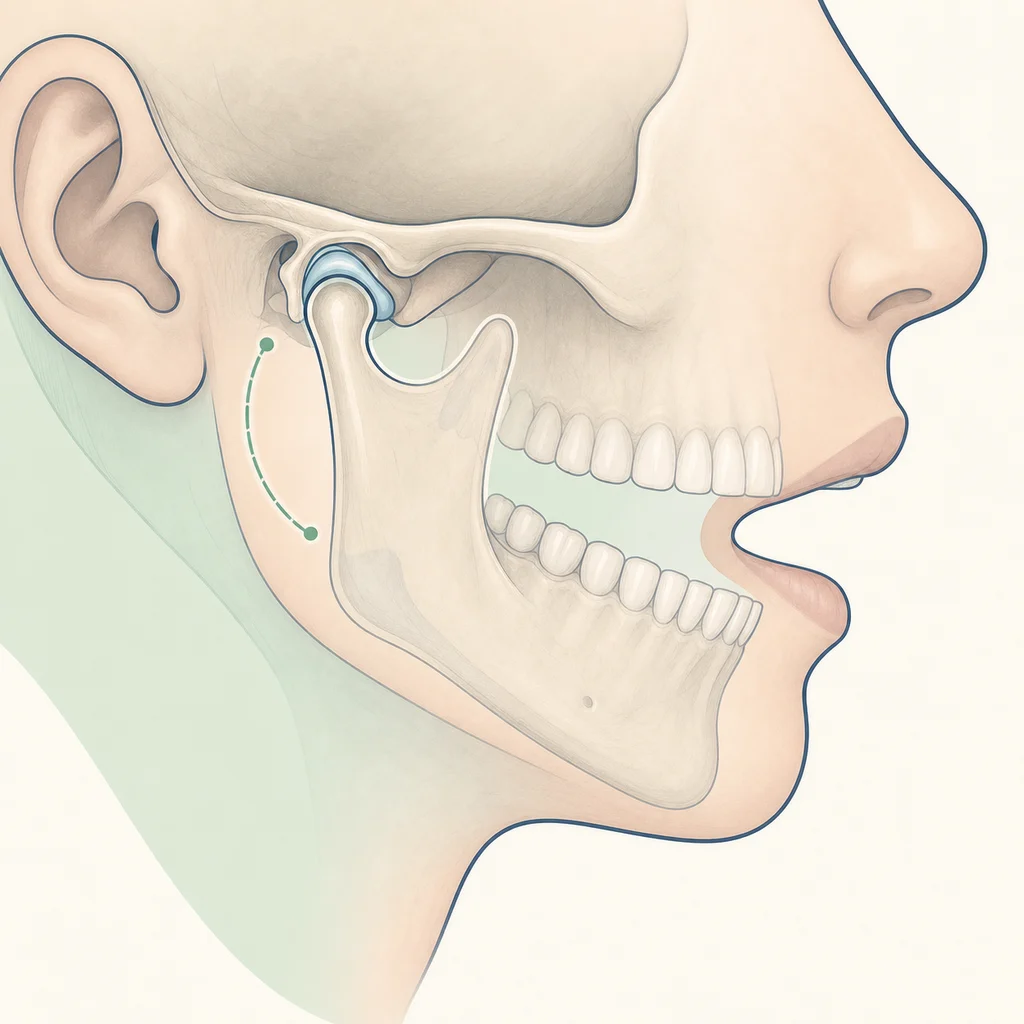
Morning Jaw Stiffness dental educational illustration

Why is the jaw stiff in the morning?

Signs linked with overnight bruxism
Morning findingPossible accompanying sign
Stiff or painful jawPain in the jaw, face, or ear[1][2]
Worn or broken teethSensitivity or loss of fillings[2][1]

[1][2]

What can lead to morning stiffness?

Grinding and clenching may happen during sleep or while awake. Stress and sleep problems can affect bruxism, while some people clench subconsciously during the day.

[1][2]
Patterns that can contribute
PatternWhat it may involve
Sleep bruxismGrinding or clenching during sleep[2][1]
Awake clenchingA subconscious daytime habit[2][1]

[2][1]

What relief is safe tonight?

Give the jaw a period of rest and avoid habits that keep the muscles active. Improving sleep hygiene and reducing stress are behavioural changes used to improve TMD and bruxism symptoms.

[1][2]

How is morning jaw stiffness checked?

The history focuses on where pain occurs, when it appears, what changes it, and whether headaches or other pain conditions are present. Examination looks for jaw tenderness, sounds, and difficulty moving.

[1][2]

What treatments can reduce it?

Conservative care is used first for TMD symptoms. Depending on the pattern, care can include education, jaw rest, a soft diet, warmth, stretching, sleep improvement, stress management, and work on clenching habits.

[1][2]

How can you protect your teeth and jaw?

Notice and interrupt daytime clenching, improve sleep habits, and reduce stress. Bruxism can wear down or break teeth, increasing sensitivity and damaging fillings.

[1][2]

When should you arrange an appointment?

Arrange dental assessment when grinding comes with tooth damage, sensitive teeth, jaw pain, face or ear pain, or when a sleeping partner reports grinding. Concern about a child grinding is also a reason to seek advice.

[2][1]

Frequently asked questions

Can night-time grinding explain stiffness when I wake up?

Yes. Sleep grinding or clenching can leave the jaw painful or stiff and may occur with headaches, tooth wear, sensitivity, or disturbed sleep.

[2][1]