
Dental question about observed-topic:bad-breath
Chewing gum can mask bad breath briefly, while cleaning the tongue, teeth, and gums addresses common mouth-based causes.
The short answer
Chewing gum can mask bad breath briefly, while cleaning the tongue, teeth, and gums addresses common mouth-based causes. Sugar-free gum can also increase saliva flow, but persistent odor needs a cause-focused assessment.
What is the direct answer?
What does this question mean?
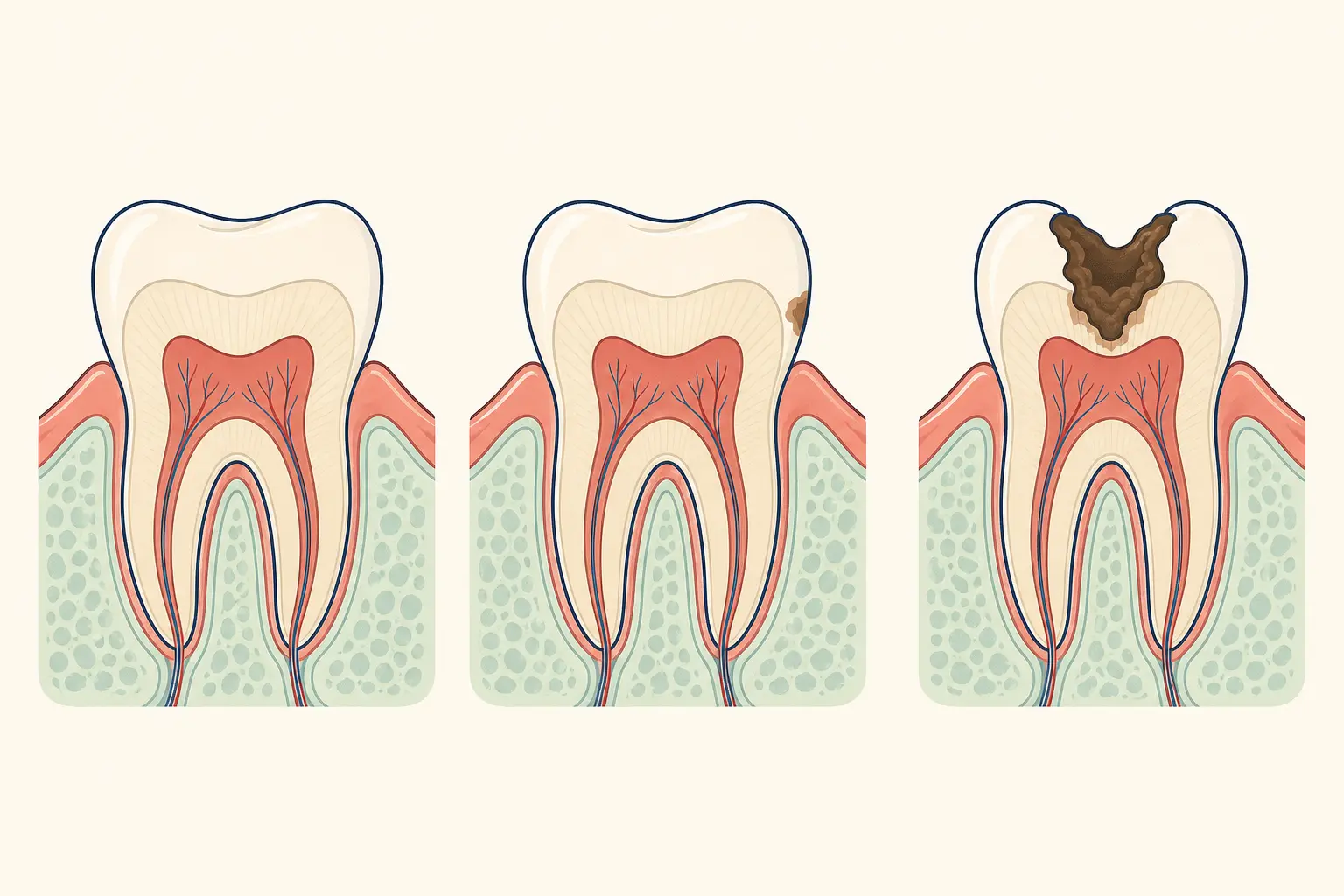
Bad breath, or halitosis, often comes from volatile compounds produced by bacteria on the tongue, around the gums, or in plaque. Dry mouth, gum disease, decay, food trapping, tonsil debris, and some medical conditions can also contribute.
What can you do next?
Brush the teeth and tongue, clean between teeth, drink water, and use sugar-free gum when the mouth feels dry. Avoid relying on fragrance alone, because mouthwash or flavored gum can cover odor while plaque or infection remains.
When should you seek dental care?
Arrange dental care when odor persists despite thorough cleaning, or when it comes with bleeding gums, tooth pain, dry mouth, a bad taste, or a loose tooth. A dentist can examine the mouth before considering non-dental causes.
What should you ask the dentist?
Ask whether the tongue, gumline, a particular tooth, dry mouth, or another source appears responsible. Ask which cleaning changes, periodontal treatment, filling, or referral would address the finding.
Frequently asked questions
Does mint gum cure bad breath?
No. It may change the smell briefly, but persistent halitosis needs cleaning and assessment of its cause.
Why is my mouth dry?
Reduced saliva can follow dehydration, mouth breathing, medicines, or salivary gland problems and should be discussed when persistent.