
Bleeding gums and bad taste in mouth
Bleeding gums with a persistent bad taste can reflect gum inflammation, trapped debris, decay, or drainage from an oral infection.
The short answer
Bleeding gums with a persistent bad taste can reflect gum inflammation, trapped debris, decay, or drainage from an oral infection. Examination of the gums, teeth, tongue, and any pocket or swelling helps identify whether the taste comes from plaque, pus, or another oral source.
What is the direct answer?
What does this question mean?
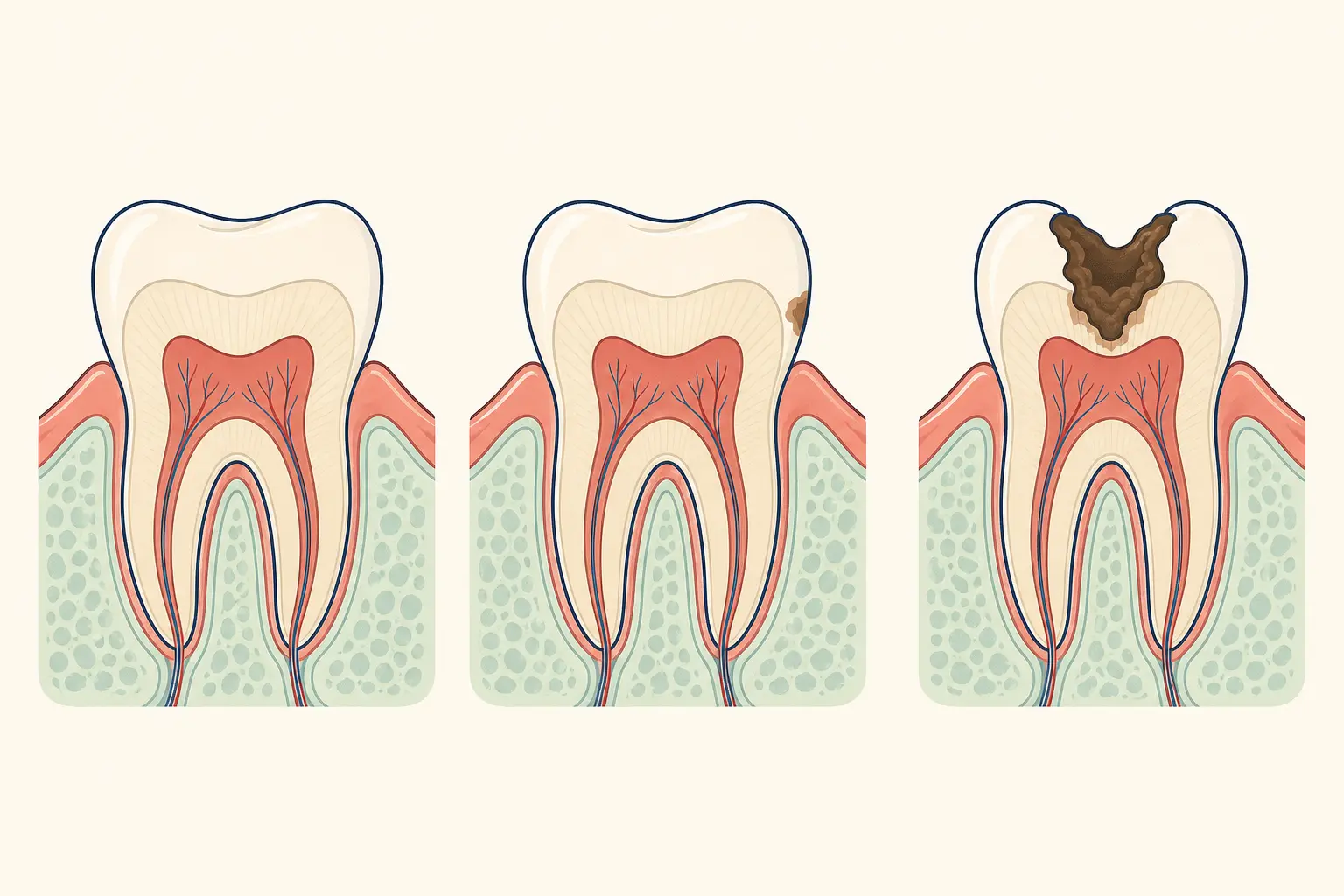
Inflamed gums can bleed and release an unpleasant taste when plaque and calculus accumulate around the gumline. A deep gum pocket, decayed tooth, leaking filling, infected pulp, or coating on the tongue can also collect bacteria and alter taste.
What can you do next?
Brush the gumline and tongue gently, clean between the teeth, drink water, and note where the bleeding or taste is strongest. Do not squeeze a swelling or mask a recurring taste with mouthwash alone; professional removal of deposits or treatment of the affected tooth may be needed.
When should you seek dental care?
Arrange a dental examination if the taste lasts, returns, or is accompanied by bleeding, pain, a loose tooth, or a draining spot. Seek urgent help for facial swelling, fever, or difficulty swallowing or breathing.
What should you ask the dentist?
Ask whether the taste is coming from gum pockets, a specific tooth, the tongue, or a sinus-related source. Ask whether pocket measurements, vitality tests, or radiographs are needed and what treatment will remove the cause.
Frequently asked questions
Can gum disease cause a bad taste?
Yes. Inflamed or infected gum pockets can collect bacteria and fluid that affect breath and taste.
Why does the taste come from one area?
A local pocket, cavity, cracked tooth, leaking restoration, or draining abscess may be concentrating the source there.