
Does baking soda make teeth sensitive
Baking soda does not automatically cause sensitivity, but frequent or forceful scrubbing can contribute to wear or gum irritation.
The short answer
Baking soda can feel abrasive as loose powder, and sensitivity depends on brushing force, frequency, enamel condition and exposed roots.
What is the direct answer?
What does this question mean?
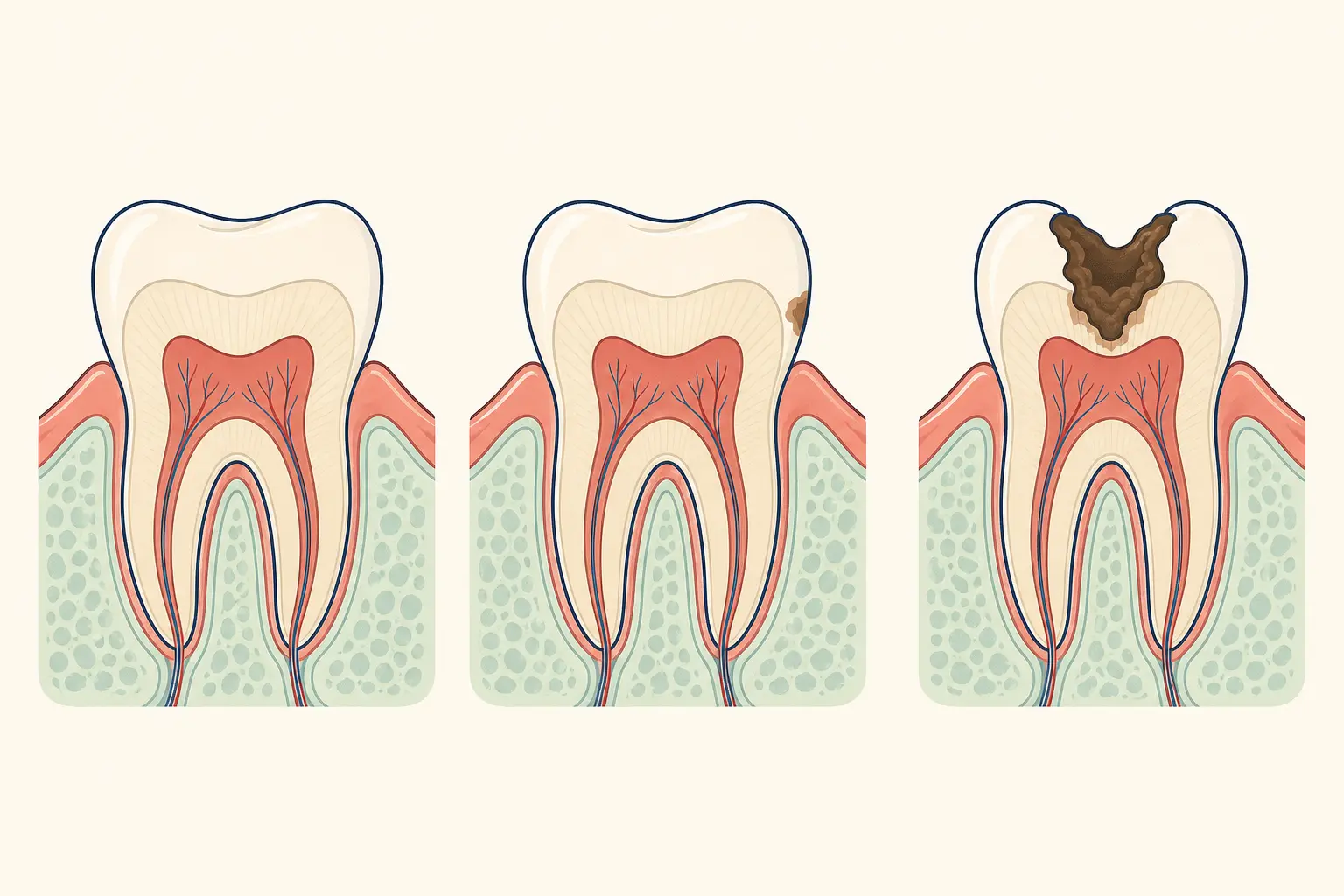
Sensitivity occurs when dentine tubules transmit hot, cold, sweet or touch stimuli toward the pulp. Erosion, abrasion, recession, cracks and decay can expose them.
What can you do next?
Use a soft brush and light pressure, avoid scrubbing with dry powder and choose a fluoride toothpaste suited to sensitivity.
When should you seek dental care?
See a dentist for localized, spontaneous or worsening sensitivity, or pain linked to a crack, cavity or swelling.
What should you ask the dentist?
Ask whether sensitivity comes from enamel loss, recession, decay, a crack or pulp inflammation.
Frequently asked questions
What is the main thing to remember?
Baking soda can feel abrasive as loose powder, and sensitivity depends on brushing force, frequency, enamel condition and exposed roots.
When should I arrange care?
See a dentist for localized, spontaneous or worsening sensitivity, or pain linked to a crack, cavity or swelling.