
Bleeding gums murphy james earl jones
Bleeding gums are usually a sign of gum inflammation, plaque, trauma, or another condition rather than a celebrity-specific symptom.
The short answer
Bleeding gums usually indicate inflammation at the gum margin, often from plaque, but trauma, medications, infection, or other conditions can also contribute. The symptom is not explained by a person’s name or public profile and should be assessed in the mouth where it occurs.
What is the direct answer?
What does this question mean?
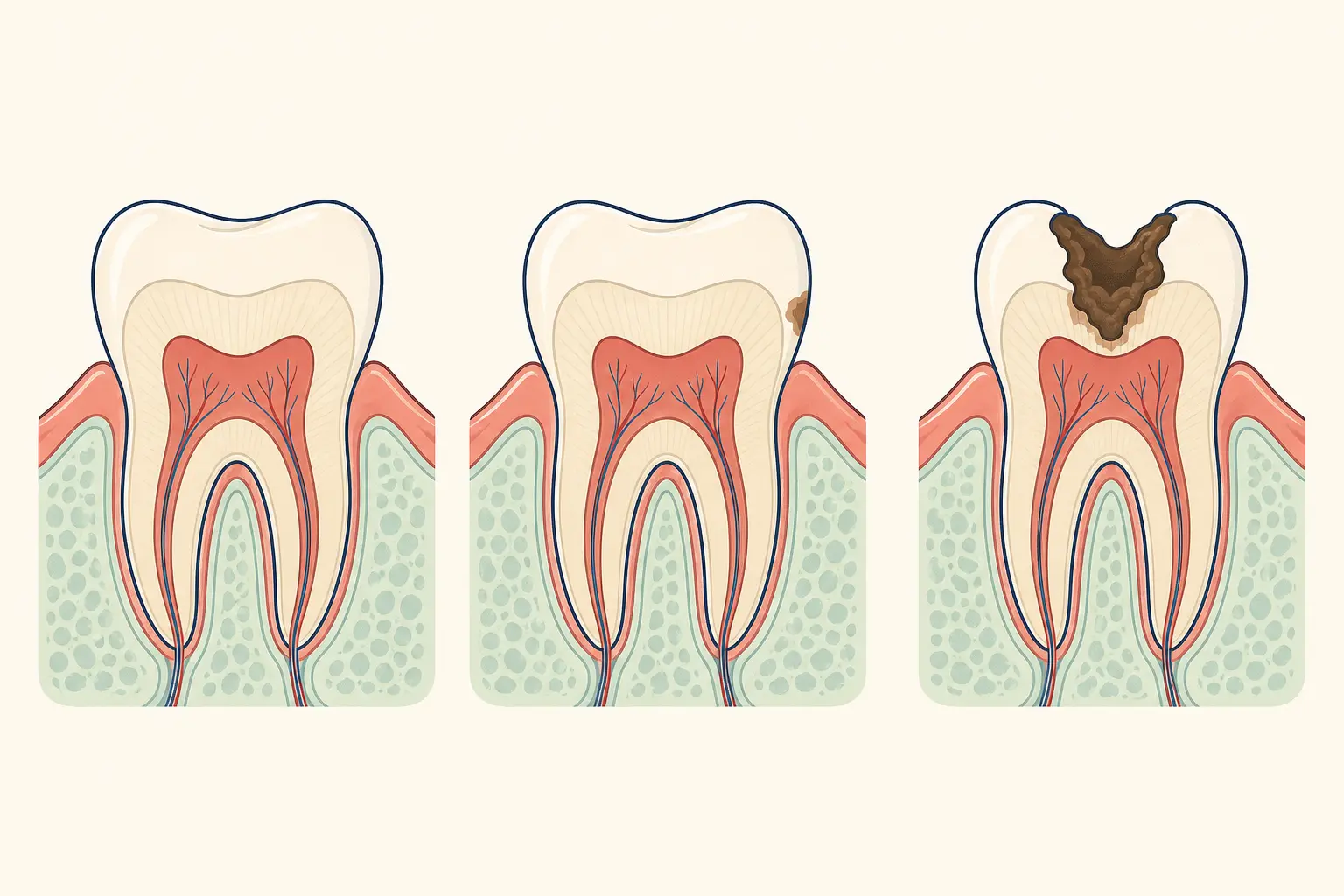
Plaque irritates gingival tissue, making it red, swollen, and more likely to bleed during brushing or flossing. Hard calculus, a rough filling, vigorous brushing, tobacco exposure, hormonal change, and some blood-affecting medicines can alter bleeding.
What can you do next?
Continue gentle brushing along the gumline and clean between the teeth daily instead of avoiding the bleeding area. Arrange professional removal of calculus and review your brushing technique, dental appliances, and medicines with the appropriate clinician.
When should you seek dental care?
Book a dental examination when bleeding recurs, occurs without brushing, or comes with swelling, pus, bad breath, recession, or loose teeth. Seek urgent care for uncontrolled bleeding, facial swelling, fever, or difficulty swallowing or breathing.
What should you ask the dentist?
Ask whether the bleeding is gingivitis, periodontitis, trauma, or a medication-related problem, and what examination supports that view. Ask how to clean around the affected area and when reassessment is needed.
Frequently asked questions
Should I stop flossing if my gums bleed?
Usually no. Clean gently and arrange an examination if bleeding persists or is heavy.
Can a new toothbrush cause bleeding?
Hard pressure or stiff bristles can injure the gum margin, but recurrent bleeding should not be attributed to brushing alone without an examination.