
Jaw massage for bruxism
Gentle jaw massage may relax overworked chewing muscles, but it does not remove the cause or protect teeth from bruxism.
The short answer
Gentle massage of the masseter and temporalis muscles may reduce muscle tightness from bruxism, but it cannot stop tooth grinding or replace a dental assessment.
What is the direct answer?
What does this question mean?
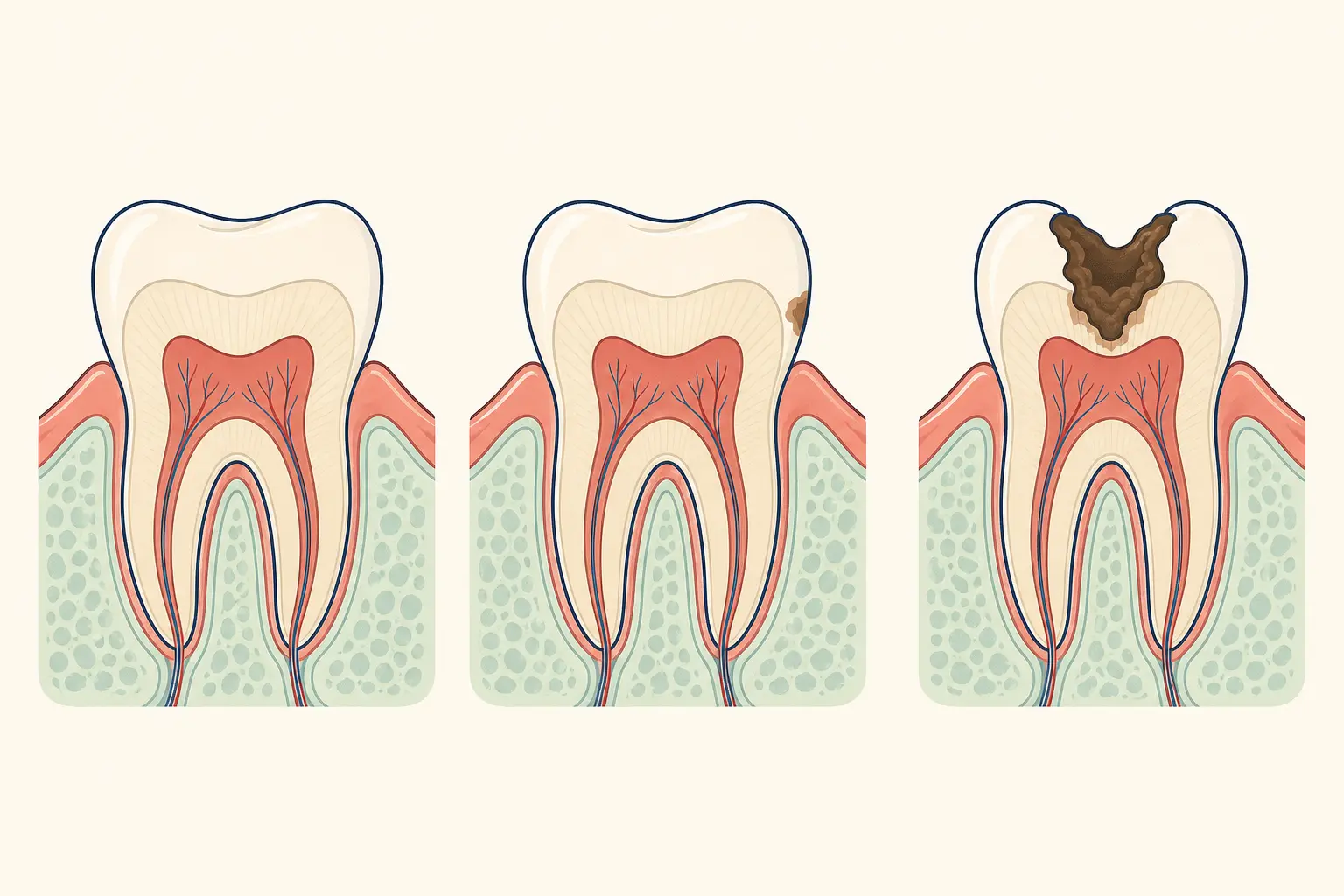
Bruxism is repeated clenching or grinding of the teeth during sleep or wakefulness. The masseter at the cheek and temporalis at the temple can become tender when they work repeatedly, while enamel, fillings, and the jaw joint may also be affected.
What can you do next?
With clean hands, use light circular pressure over the cheek and temple muscles for a short period, keeping the teeth apart and stopping if pain, dizziness, or joint clicking worsens. A dentist may check wear facets, cracks, muscle tenderness, and the bite, then discuss a custom night guard or other treatment when indicated.
When should you seek dental care?
Seek care for a cracked tooth, new sensitivity, restricted opening, jaw locking, facial swelling, or pain that persists. Nightly grinding with morning headaches or worn teeth also warrants an examination because massage does not address dental damage.
What should you ask the dentist?
Ask which muscles and jaw structures are involved, whether your teeth show wear or fracture, and whether a custom appliance is appropriate. Ask how sleep symptoms, medications, stress, and the bite may influence the treatment plan.
Frequently asked questions
Can massage cure bruxism?
No. It may ease muscle discomfort, while the cause and tooth protection need separate assessment.
Where should pressure be applied?
Use light pressure over the cheek and temple muscles, never directly over a painful jaw joint.