
How to whiten your teeth without chemicals
Non-peroxide options can remove some surface stain, but changing the deeper color of natural teeth usually requires a controlled whitening agent or restora
The short answer
Tooth color comes from translucent enamel over dentin, along with deposits on the outer surface. Brushing, professional cleaning, and stain reduction can improve external discoloration, while internal color change from trauma, aging, or medication needs a different plan.
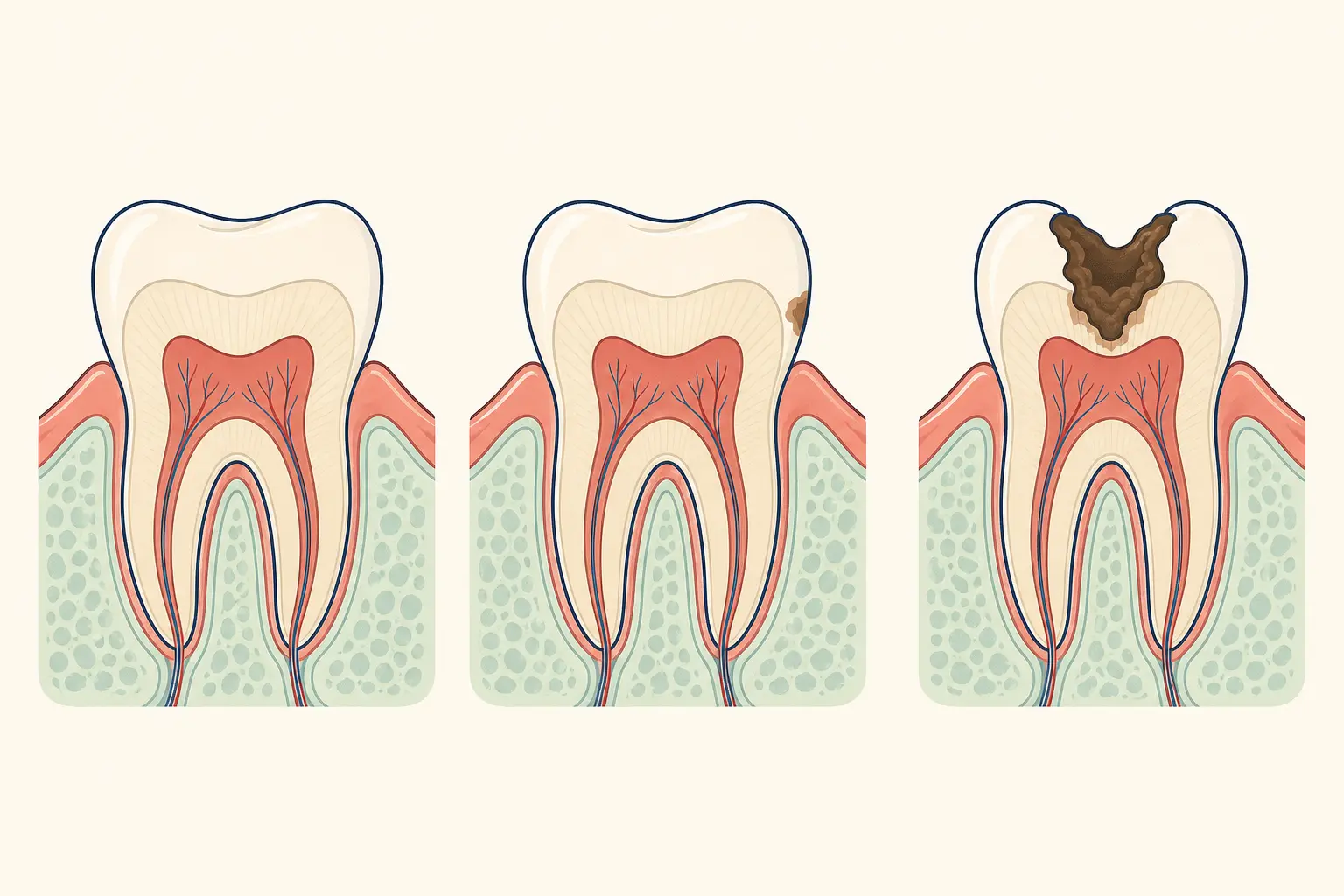
What is the direct answer?
What does this question mean?
Use fluoride toothpaste, clean between the teeth, and reduce repeated exposure to staining drinks or tobacco. A dental cleaning can remove calculus and external stain; do not use acidic or strongly abrasive home mixtures to chase a lighter shade.
What can you do next?
See a dentist for one tooth that darkens, patchy color, enamel loss, sensitivity, cavities, gum disease, or discoloration that remains after cleaning. An examination should precede cosmetic treatment.
When should you seek dental care?
Ask whether your color change is surface or internal, whether cleaning alone can help, and which whitening or restorative option protects enamel and matches existing dental work.
Frequently asked questions
Is oil pulling a whitening treatment?
It may change the feel of the mouth but should not be relied on to alter intrinsic tooth color.
Can charcoal whiten teeth?
Abrasive powders may remove some surface deposit but can wear enamel and do not reliably change deeper tooth color.