
Clove tooth filling
Clove oil or eugenol may temporarily numb irritated tissue, but it does not repair a cavity and concentrated oil can irritate the gum or oral lining.
What is the direct answer?
Clove oil or eugenol may temporarily numb irritated tissue, but it does not repair a cavity and concentrated oil can irritate the gum or oral lining.
What does this question mean?
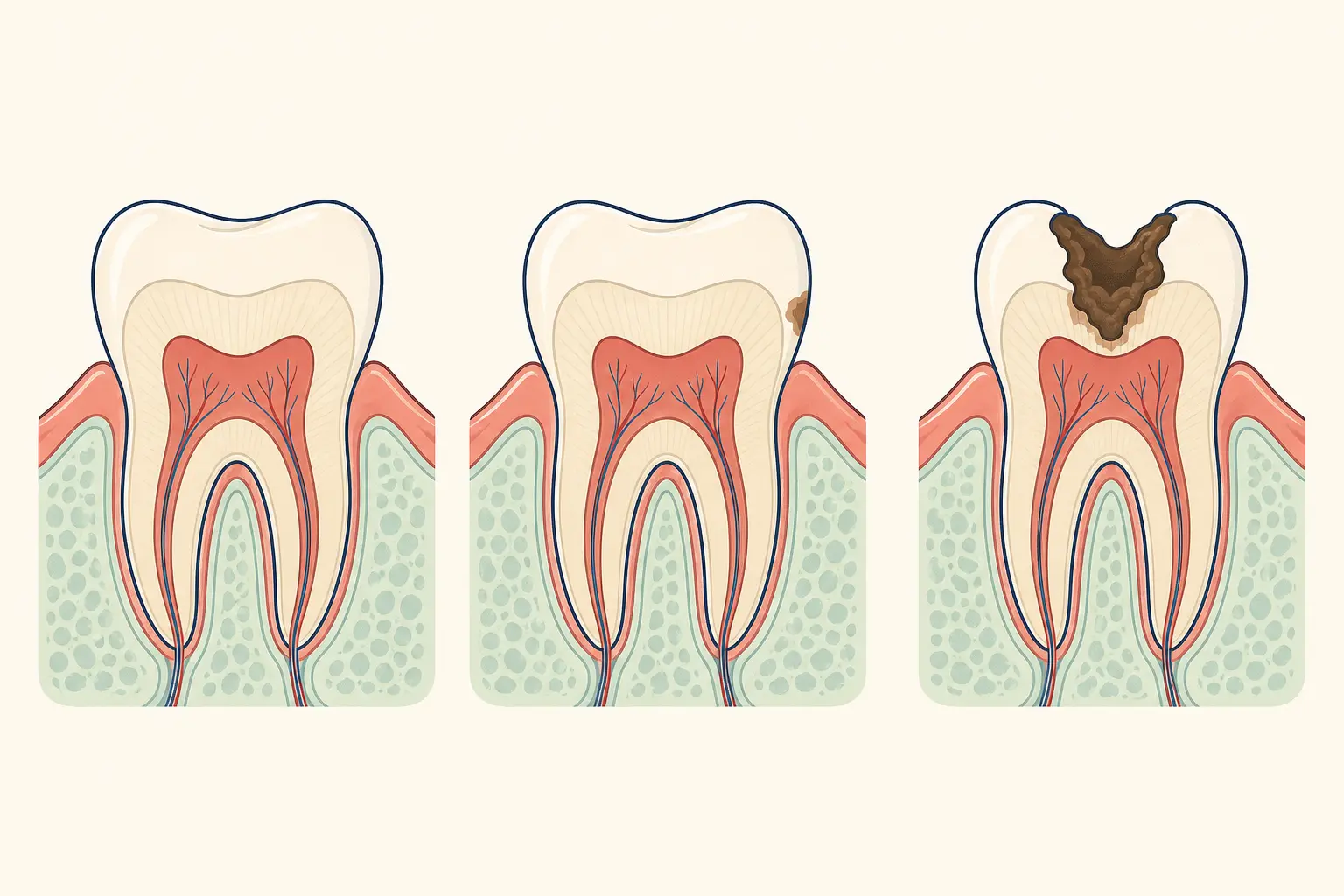
A dental filling is a shaped restorative material bonded or packed into a cleaned cavity. Clove preparations are not a substitute for removing infected tooth tissue and placing a properly sealed restoration.
What can you do next?
Do not pack clove material into an open cavity or under a filling. Rinse gently, keep the area clean, avoid chewing hard foods on that side, and book an examination for diagnosis and definitive treatment.
When should you seek dental care?
Seek prompt care for worsening pain, swelling, fever, a broken filling, or a bad taste with drainage.
What should you ask the dentist?
Ask whether the filling is leaking or fractured, whether the pulp is involved, and which restorative material and treatment steps are appropriate.
Frequently asked questions
Can this be diagnosed without an examination?
The general principle can be explained, but an examination is needed to identify the cause and select treatment.
What happens if the underlying problem is ignored?
The condition may persist or worsen, so arrange dental assessment when symptoms continue or progress.