
Benefits of clove for teeth
Clove contains eugenol and may briefly ease symptoms, but it cannot repair decay, infection, or a damaged tooth.
The short answer
Clove contains eugenol, a compound used in some dental materials, but clove preparations provide temporary symptom relief and do not repair decay, infection, or a damaged tooth.
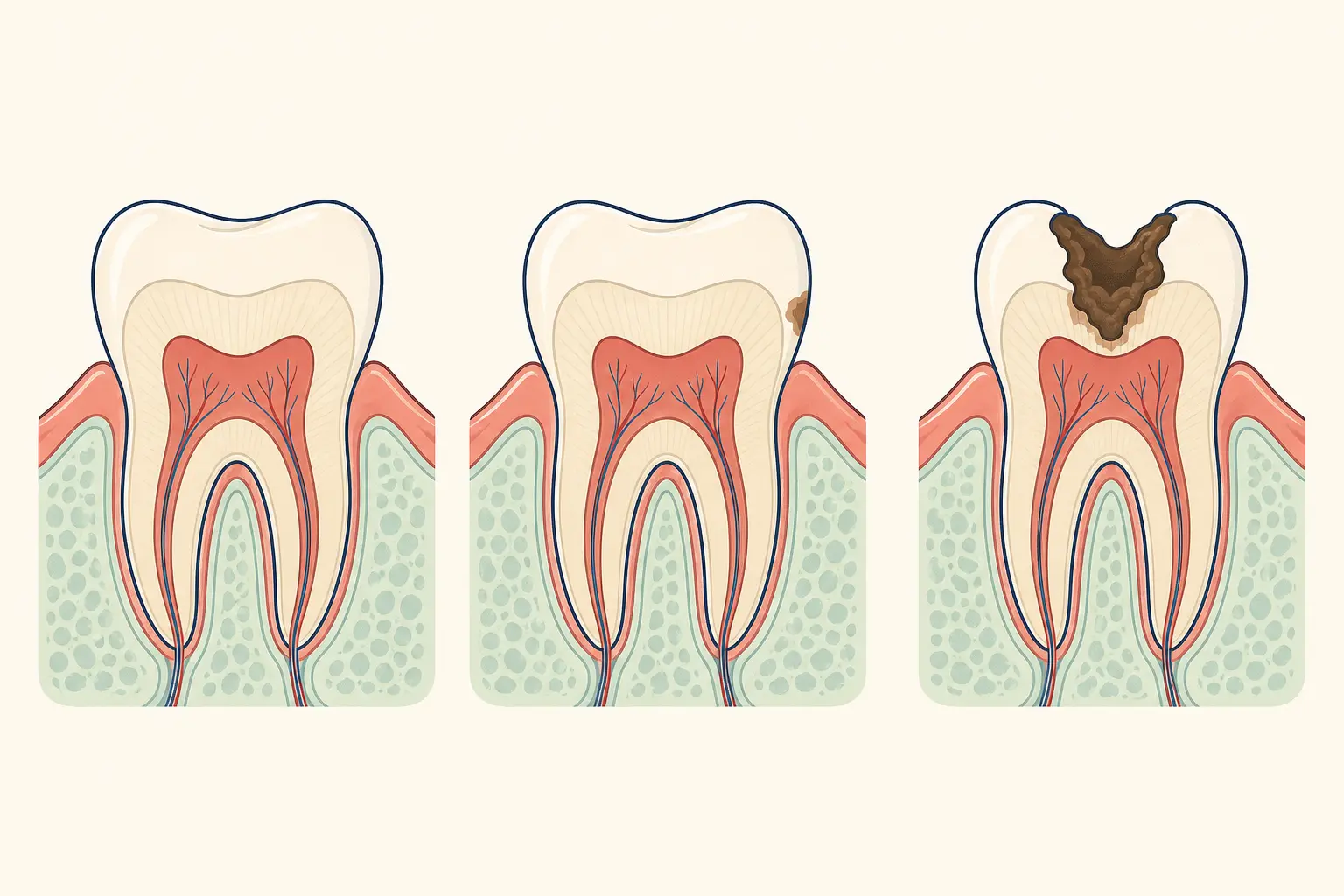
What is the direct answer?
What does this question mean?
Clove is the dried flower bud of Syzygium aromaticum, and eugenol is its main aromatic oil component. Dental professionals may use eugenol-containing materials in specific clinical applications, which is different from applying undiluted clove oil at home.
What can you do next?
Do not use clove oil as a substitute for diagnosis. If you use a retail oral product, follow its label, keep it away from children, and stop if burning, swelling, rash, or worsening pain occurs; a dentist should examine the underlying tooth or gum problem.
When should you seek dental care?
Arrange dental care for persistent sensitivity, swelling, bleeding, a broken tooth, or pain when biting. Facial swelling, fever, or trouble swallowing or breathing requires urgent care.
What should you ask the dentist?
Ask whether the symptom comes from decay, exposed dentine, gum inflammation, or pulp disease, and whether a clove-containing dental material is appropriate in your treatment.
Frequently asked questions
Can clove oil fix a cavity?
No. A cavity is damaged tooth structure and needs evaluation and restorative treatment.
Why can clove oil burn?
Concentrated essential oil can irritate oral tissues, particularly when applied directly or repeatedly.