
Uses of clove for teeth
Clove contains eugenol, which may temporarily numb tooth pain, but it cannot repair decay or remove a dental infection.
The short answer
Clove or clove oil may temporarily numb tooth pain through eugenol, but it does not repair decay or treat the source of an infection. Concentrated oil can irritate oral tissue, so do not place it into a cavity or against the gum for prolonged periods.
What is the direct answer?
What does this question mean?
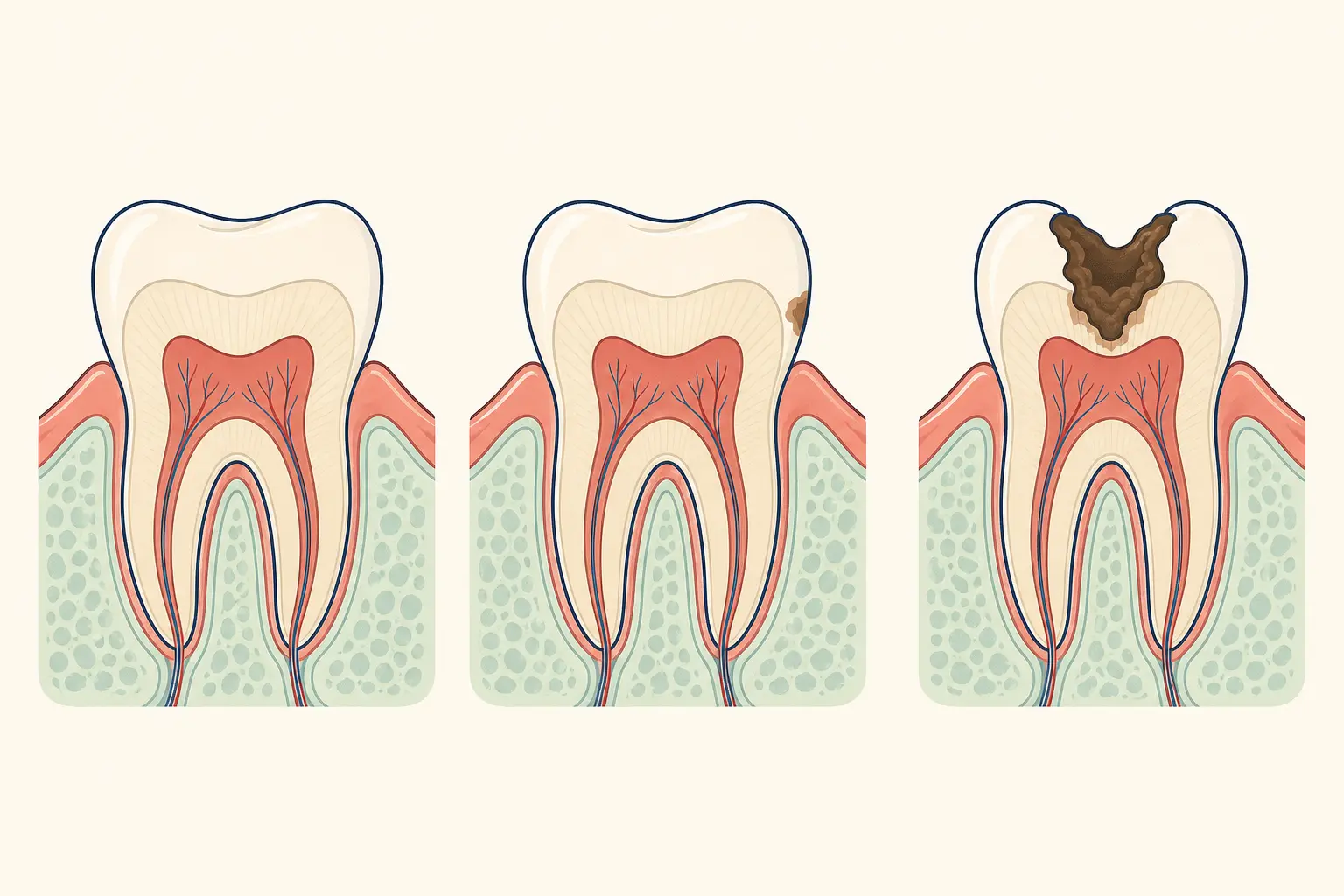
Eugenol is an aromatic compound in clove that can affect pain sensation and is also used in some dental materials. Toothache can instead come from inflamed pulp, a cracked tooth, exposed dentine, gum disease, or an abscess, and each has a different treatment.
What can you do next?
Keep the area clean, avoid chewing on the painful side, and use a pharmacy pain reliever only as directed on its label. A dentist can remove decay, seal or restore a tooth, treat the pulp, or manage an abscess after identifying the cause.
When should you seek dental care?
Arrange prompt care for pain lasting beyond a brief episode, pain that wakes you, swelling, fever, pus, or sensitivity that lingers after hot or cold. Emergency care is needed if swelling affects breathing or swallowing.
What should you ask the dentist?
Ask whether the pain is from decay, pulp inflammation, a crack, or the gums, and whether an X-ray or pulp test is needed. Ask which treatment removes the cause and what temporary measures are appropriate while waiting.
Frequently asked questions
Can I put clove in a hole in my tooth?
Do not pack a cavity with clove; concentrated material can irritate tissue and the cavity needs a dental examination.
How long does clove relieve toothache?
Any numbing effect is temporary and varies; continuing pain means the underlying problem still needs diagnosis.