
Hemani clove oil dental care
Hemani clove oil contains eugenol, which may briefly numb tooth pain, but it does not treat decay, a cracked tooth, or a dental infection.
The short answer
Hemani clove oil is a topical clove preparation whose eugenol may briefly reduce the sensation of tooth pain, but it cannot repair decay, a crack, or an infection. A change in pain after applying it does not show that the underlying dental problem has healed.
What is the direct answer?
What does this question mean?
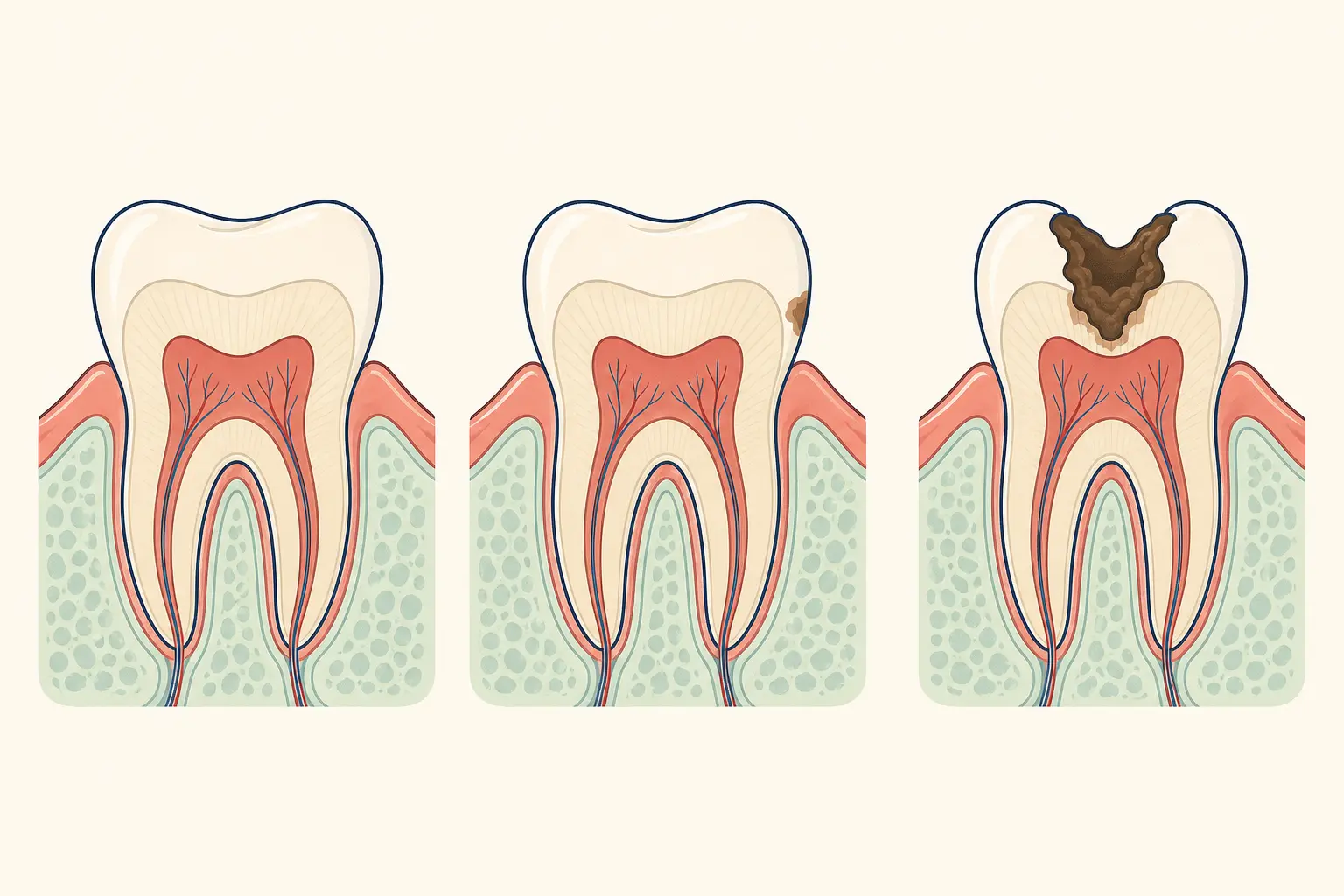
The clinical subject is clove oil used around a painful tooth or gum. Its main dental compound, eugenol, can affect nerve sensation at the surface, while the cause of pain may be deeper in the enamel, dentine, pulp, periodontal ligament, or gum tissue.
Commercial oils can differ in concentration, added ingredients, and intended use. Contact with oral mucosa may cause burning, irritation, or an allergic reaction in some people, and swallowing or repeated application changes the risk depending on the amount, age, medical history, and product instructions.
What can you do next?
Read the Hemani label and use the product only as directed; do not place concentrated oil into a cavity, under the gum, or on a damaged area. Do not use it to postpone an examination, and keep the bottle away from children and from the eyes.
Rinse gently if the area burns or becomes irritated, stop using the product, and contact a dentist or healthcare professional if symptoms persist. Arrange a dental examination so the clinician can check for decay, a fractured tooth, exposed dentine, gum disease, or pulp inflammation and treat the cause.
When should you seek dental care?
Seek prompt dental care for facial or gum swelling, fever, pus, worsening or throbbing pain, pain that wakes you, a broken tooth, or difficulty opening the mouth. These features can accompany inflammation or infection that clove oil cannot remove.
Get urgent medical help for trouble breathing or swallowing, rapidly spreading swelling, or a severe reaction after using the oil. A dentist may examine the tooth, test its response, take an X-ray when indicated, and provide restoration, root canal treatment, drainage, extraction, or gum treatment according to the finding.
What should you ask the dentist?
Ask whether the pain comes from decay, a crack, exposed dentine, the pulp, or the gum, and whether you need an X-ray or a pulp vitality test. Tell the dentist the product name, where you applied it, how much you used, and whether it caused burning, swelling, or a rash.
Ask which treatment will remove the cause, what to use for short-term comfort while waiting, and whether any ingredient in the product matters for your age, pregnancy, allergies, medicines, or existing mouth condition.
Frequently asked questions
Can clove oil cure toothache?
It may temporarily alter pain sensation, but curing toothache requires treating its cause, such as decay, a crack, pulp inflammation, or gum disease.
What should I do if clove oil burns my gum?
Stop using it and rinse gently. Contact a dentist or healthcare professional if burning, swelling, rash, or pain continues.
Can I put clove oil directly into a tooth cavity?
Do not place concentrated oil into a cavity or damaged gum unless a dental professional has specifically instructed you to do so.