
Colgate instant relief whitening
Whitening toothpaste with a sensitivity-relief ingredient can remove surface stains, but it does not bleach the inner tooth colour.
The short answer
A sensitivity-relief whitening toothpaste can reduce surface staining while its desensitising ingredient helps block signals from exposed dentine; it is not the same as peroxide whitening.
What is the direct answer?
What does this question mean?
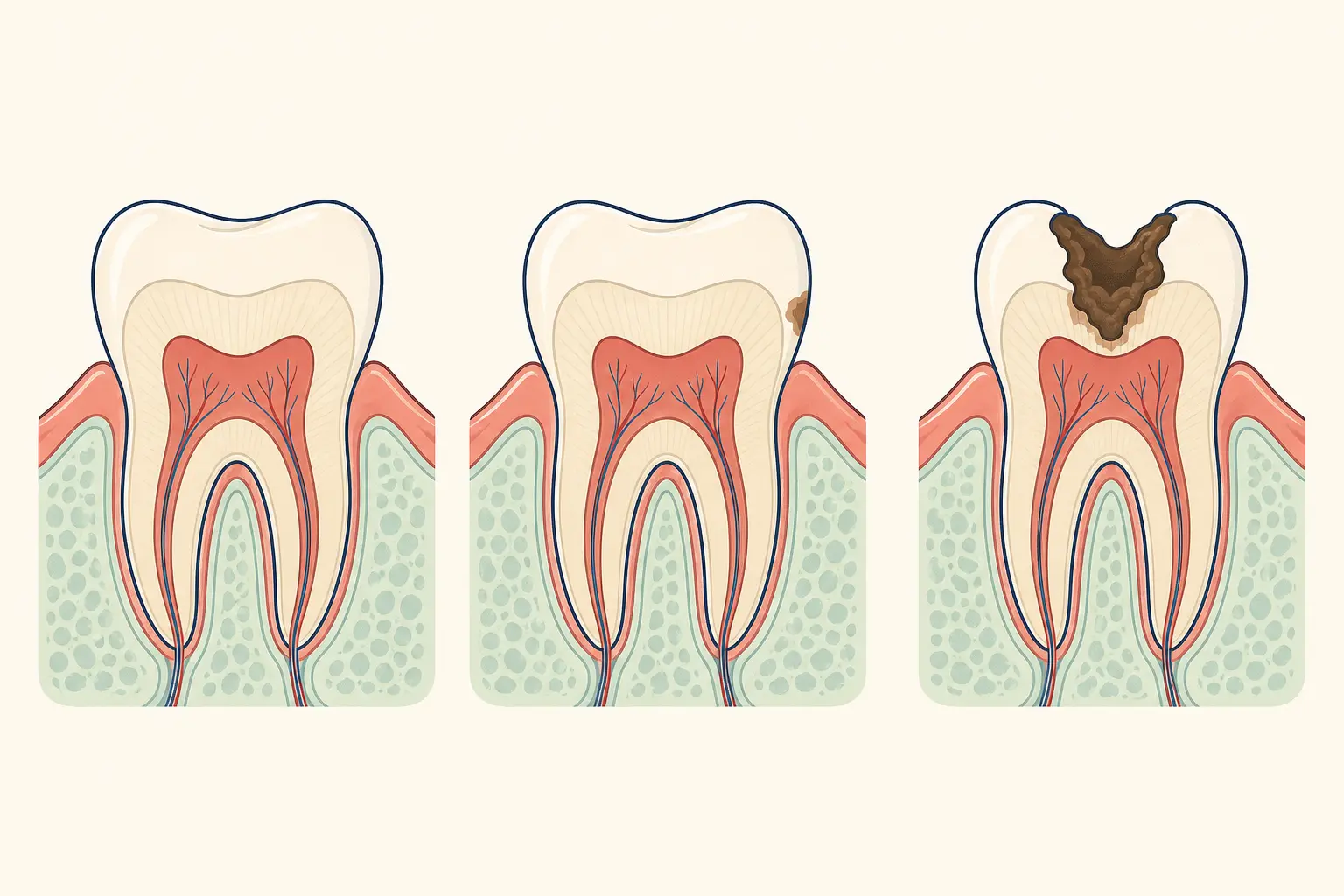
These products combine a polishing or stain-lifting toothpaste base with an ingredient such as potassium nitrate or stannous fluoride. Whitening mainly affects stains on enamel, while sensitivity relief acts at exposed dentinal tubules or along the nerve response.
What can you do next?
Use a soft brush and follow the label rather than scrubbing harder. Spit without aggressive rinsing, and avoid switching between several whitening products if cold drinks already trigger pain.
When should you seek dental care?
Arrange an examination when sensitivity is focused on one tooth, lasts after the trigger is removed, or occurs with a cavity, crack, gum recession, or pain on biting. A dentist can distinguish exposed dentine from decay or pulp inflammation.
What should you ask the dentist?
Ask which ingredient suits your sensitivity and whether the tooth surface has recession, erosion, or decay. Ask whether professional whitening, a fluoride treatment, or restoration is appropriate for the colour change.
Frequently asked questions
Will whitening toothpaste whiten deep stains?
It has limited effect on stains within dentine; a dentist must assess the cause before choosing bleaching.
Why does whitening toothpaste sting?
Abrasive brushing, exposed dentine, recession, cracks, or an irritated pulp can make cold or chemical triggers feel sharp.