
Crest 3d white brilliance mouthwash before and after
A whitening mouthwash may help with some surface stain, but visible change depends on the stain source, ingredients, use, and existing restorations.
The short answer
A whitening mouthwash may help with some surface stain, but visible change depends on the stain source, ingredients, use, and existing restorations. A rinse reaches the tooth surfaces for a shorter contact time than a gel or professionally applied whitening system, so it does not act on every type of discolouration.
What is the direct answer?
What does this question mean?
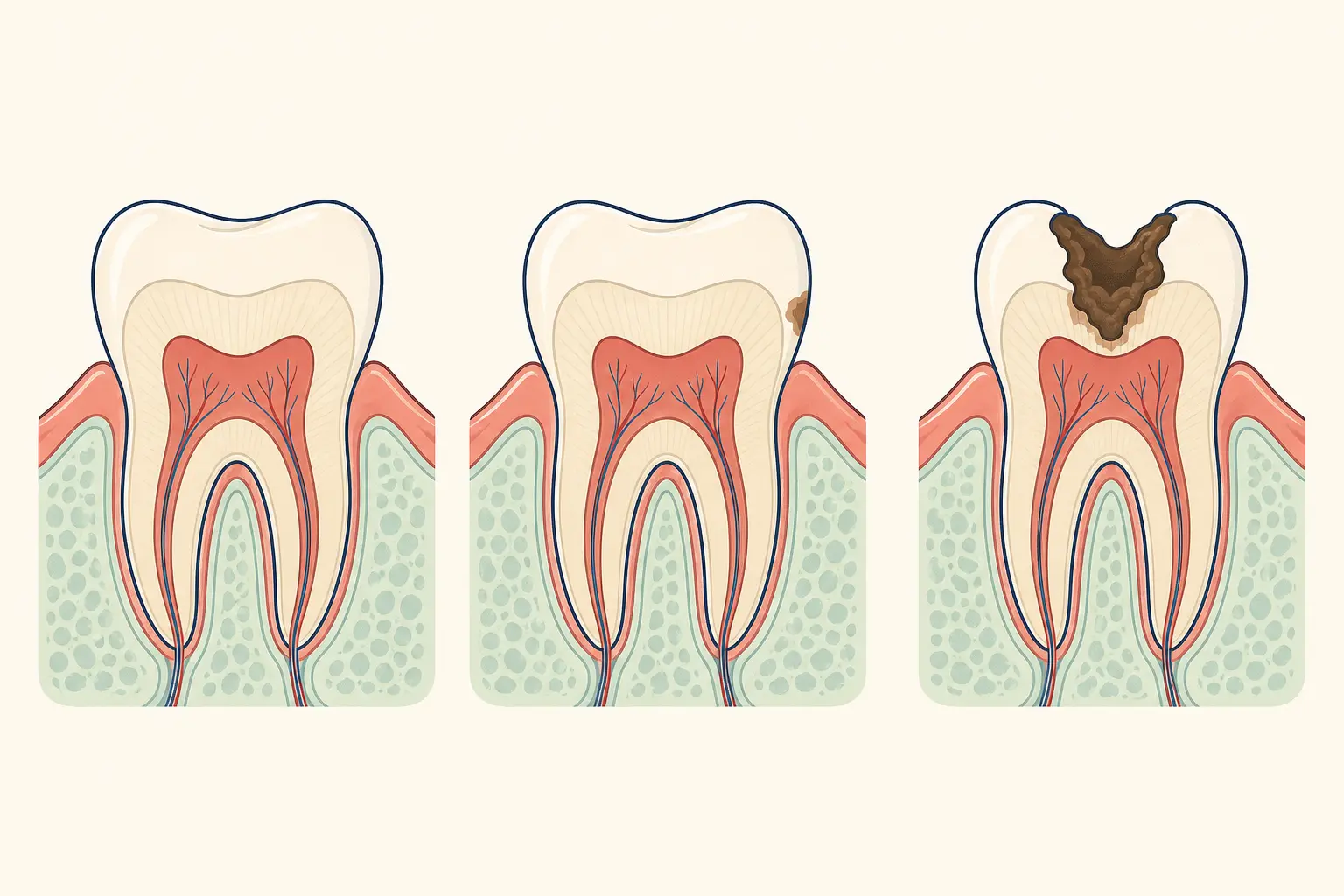
Before-and-after results refer to a comparison of tooth colour or surface cleanliness before starting and after repeated use. External stains from food, drinks, tobacco, or plaque differ from internal changes caused by trauma, medication, ageing, decay, or a restoration.
What can you do next?
Follow the product label, spit out the rinse, and do not use it as a substitute for brushing with fluoride toothpaste or cleaning between teeth. Photographing teeth in the same daylight and position can make comparison more meaningful, but a dentist should assess unexplained colour change.
When should you seek dental care?
Arrange dental care for a single dark tooth, new sensitivity, pain, rough enamel, a cavity, gum irritation, or a colour change that does not match the surrounding teeth. Whitening products can make existing sensitivity or inflamed gums more noticeable, so persistent symptoms need an examination.
What should you ask the dentist?
Ask whether the colour is an external stain, internal tooth discolouration, decay, or a filling or crown that will not change shade. Ask which whitening method suits your teeth, how sensitivity would be managed, and whether a cleaning should come first.
Frequently asked questions
How should I compare results?
Use similar lighting, camera position, and tooth cleanliness, and compare the same teeth rather than relying on a heavily edited image.
Will mouthwash whiten crowns or veneers?
It cannot reliably change the intrinsic shade of crowns or veneers; a dentist can explain replacement, polishing, or adjacent-tooth options.