
Pain from aligners
Aligners can cause pressure tenderness and rubbing while teeth move, but sharp or persistent pain may indicate a poor fit or another dental problem.
What is the direct answer?
Aligners can cause pressure tenderness and rubbing while teeth move, but sharp or persistent pain may indicate a poor fit or another dental problem.
What does this question mean?
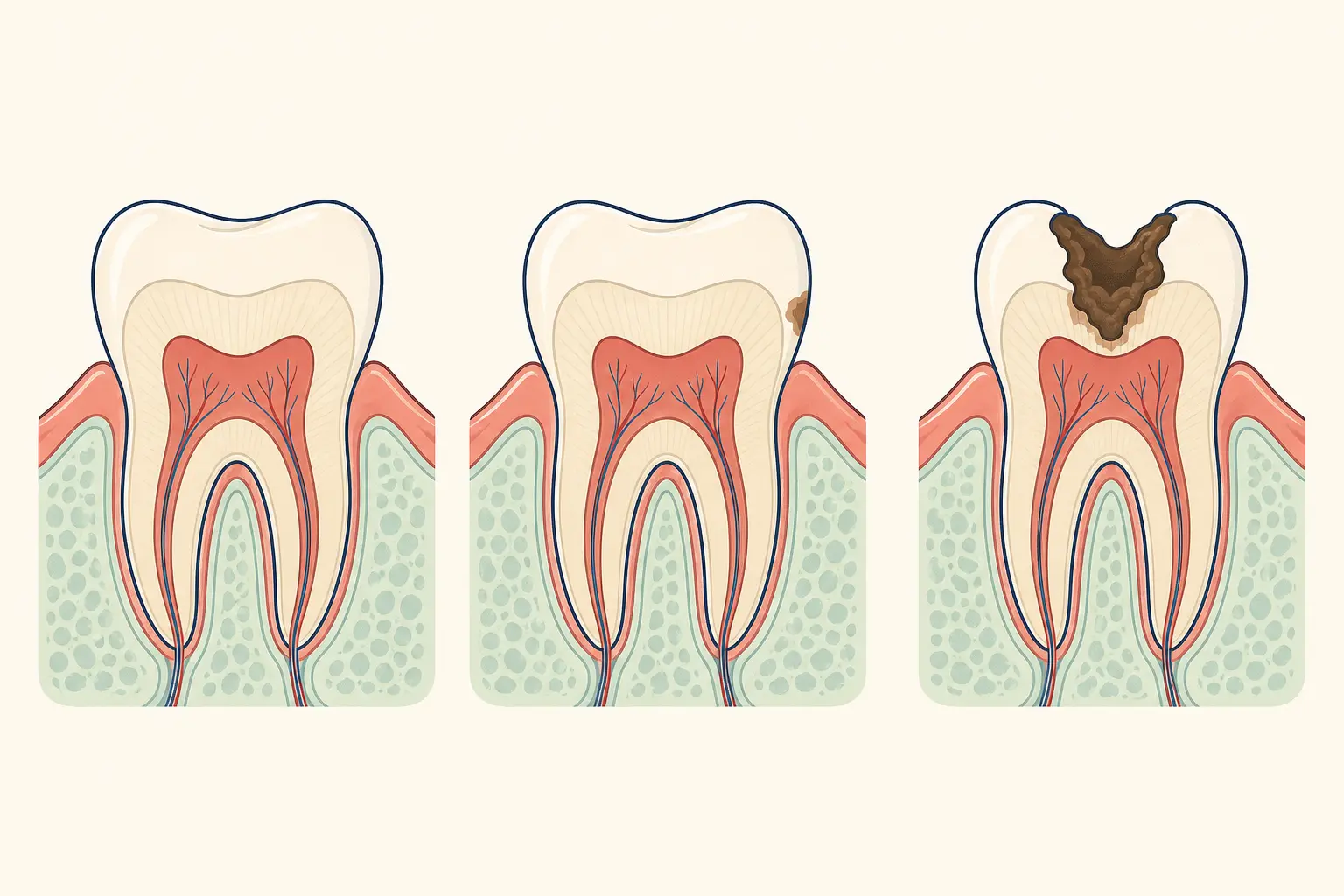
Pressure comes from the periodontal ligament and surrounding bone responding to tooth movement. A rough edge can irritate mucosa, and a loose filling, cavity, gum problem, or crack can cause pain unrelated to orthodontic movement.
What can you do next?
Wear the tray according to the orthodontic plan, use orthodontic wax over a rubbing edge, and keep the appliance clean. Do not cut, heat, or force the plastic, because altering its shape can change the intended force.
When should you seek dental care?
Contact the orthodontic team if pain is intense, lasts beyond the early adjustment period, a tooth becomes very sensitive, or the tray is cracked, distorted, or repeatedly lifting. Facial swelling or fever requires urgent assessment.
What should you ask the dentist?
Ask whether the pain matches expected tooth movement, whether an edge needs smoothing, and whether the next tray should be delayed while the tooth or appliance is checked.
Frequently asked questions
What is the main reason this problem needs an examination?
Contact the orthodontic team if pain is intense, lasts beyond the early adjustment period, a tooth becomes very sensitive, or the tray is cracked, distorted, or repeatedly lifting. Facial swelling or fever requires urgent assessment.
What should be discussed during the appointment?
Ask whether the pain matches expected tooth movement, whether an edge needs smoothing, and whether the next tray should be delayed while the tooth or appliance is checked.