
Clove dentist near me
Clove oil may briefly dull tooth pain, but a dentist must identify and treat decay, infection, trauma, or gum disease causing it.
The short answer
Clove contains eugenol, which can temporarily numb or soothe a painful area, but it does not treat the dental cause of pain.
What is the direct answer?
What does this question mean?
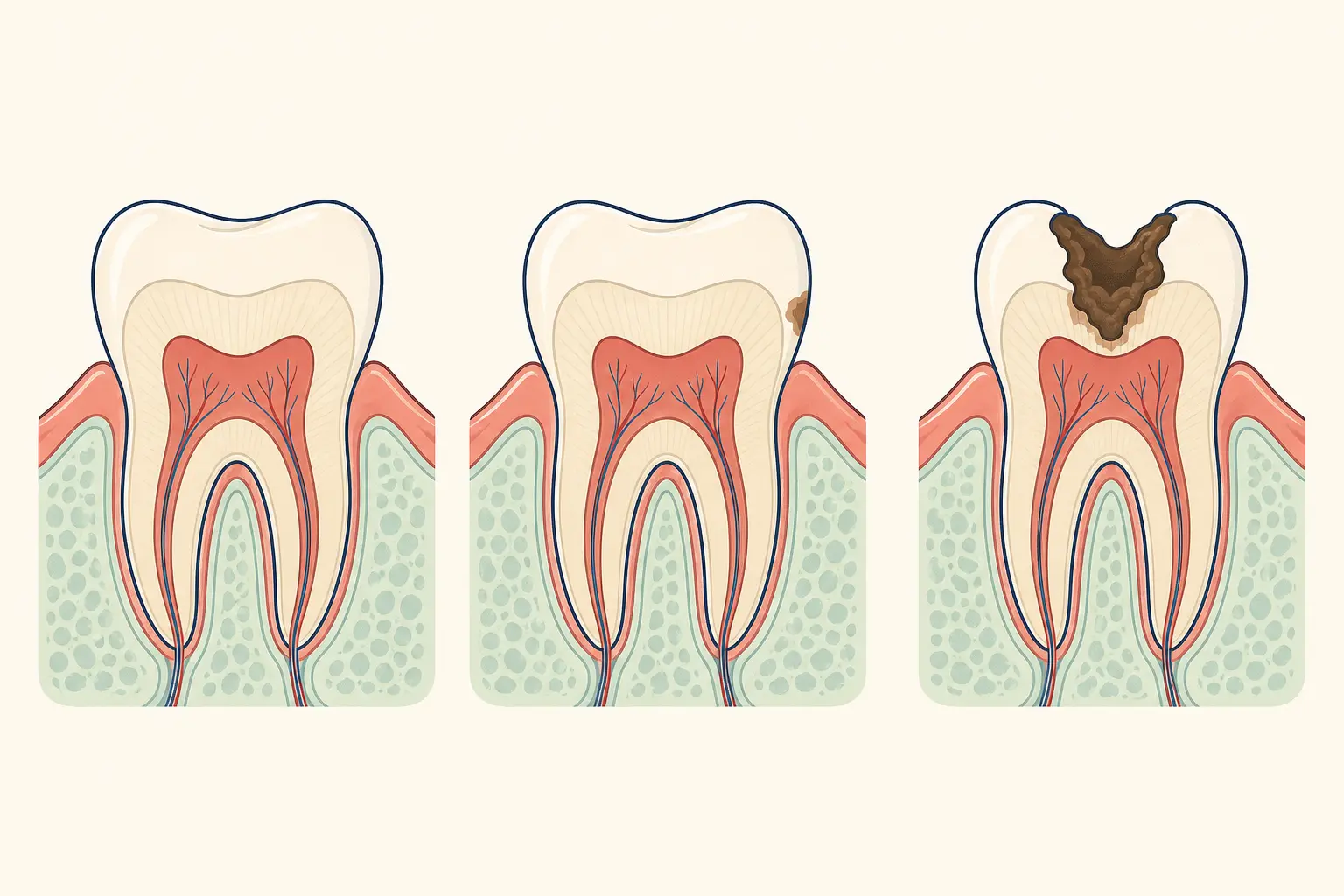
People may use whole cloves or clove oil for toothache because eugenol affects pain signalling and can irritate exposed tissue. Tooth pain can come from decay, a crack, an abscess, a loose filling, or gum inflammation, and each has a different clinical solution.
What can you do next?
Keep the area clean, avoid chewing on the painful side, and arrange a dental examination rather than placing concentrated oil on the gum. Do not swallow clove oil or apply it to a child's mouth without professional guidance.
When should you seek dental care?
Seek care for pain that persists, returns after the clove effect fades, or is triggered by biting or temperature. Facial swelling, fever, pus, difficulty swallowing, or breathing difficulty requires urgent assessment.
What should you ask the dentist?
Ask what is causing the pain, whether an X-ray is needed, and which treatment will preserve the tooth. Ask whether any exposed root, cracked filling, or gum injury needs separate care.
Frequently asked questions
Can clove oil cure a tooth infection?
No. It may alter discomfort briefly, but an infection needs dental diagnosis and treatment.
Can children use clove oil for toothache?
Children can be harmed by concentrated oils or swallowing them, so use only advice specifically given by a dental or medical professional.