
Dentist search for deep cleaning near me
Find a deep-cleaning dentist by checking periodontal training, examination methods, sterilization, treatment scope and clear follow-up arrangements.
The short answer
Choose a dentist who first examines your gums and records pocket depths before deciding whether scaling and root planing, often called deep cleaning, is appropriate.
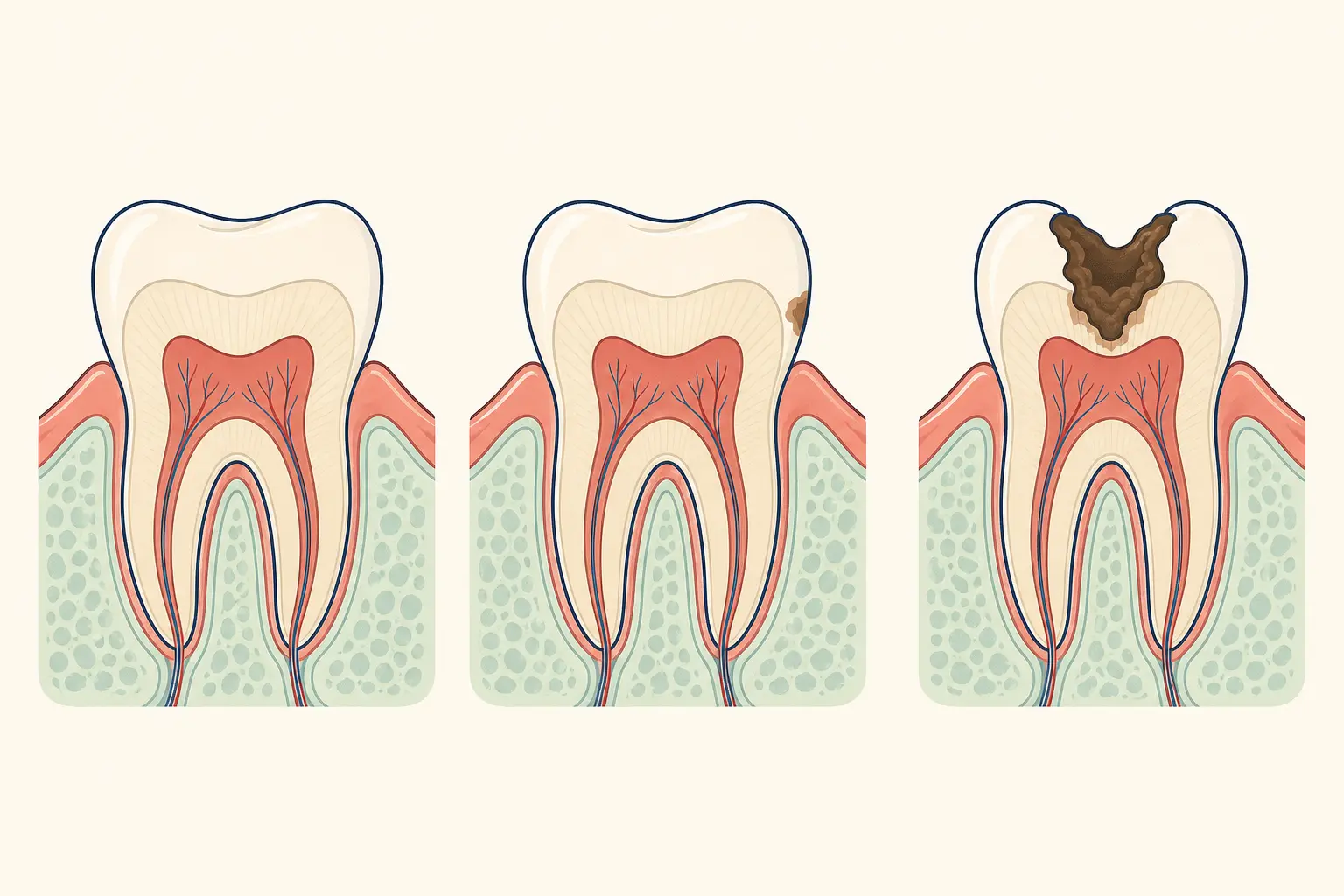
What is the direct answer?
What does this question mean?
Deep cleaning is non-surgical periodontal instrumentation that removes calculus and bacterial deposits from tooth surfaces above and below the gumline. It may include local anesthetic, hand instruments or ultrasonic scalers, followed by smoothing root surfaces and reassessment.
What can you do next?
When comparing nearby practices, check the clinician’s periodontal experience, whether a full gum assessment and appropriate X-rays are available, and how the clinic explains the treatment areas and follow-up. Ask for a written plan that separates routine cleaning from treatment of periodontal pockets.
When should you seek dental care?
Seek an appointment when gums bleed regularly, smell persists, teeth feel loose, roots are exposed or a dentist has identified deep pockets. Urgent care is needed for facial swelling, fever, severe pain or trouble swallowing.
What should you ask the dentist?
Ask who will perform the assessment, how pocket depths are recorded, which areas require subgingival instrumentation and how discomfort is managed. Ask when healing will be reviewed and what maintenance cleaning is expected afterward.
Frequently asked questions
Is a regular polish the same as deep cleaning?
No. Polishing removes surface stain, while periodontal instrumentation reaches deposits below the gumline when indicated.
What should a quote include?
Ask it to state the examination, treatment areas, anesthesia, imaging and follow-up separately.