
Emergency dentist near me york pa
For a dental emergency in York, Pennsylvania, seek prompt local care for severe pain, swelling, trauma, or uncontrolled bleeding.
What is the direct answer?
For a dental emergency in York, Pennsylvania, seek prompt local care for severe pain, swelling, trauma, or uncontrolled bleeding.
What does this question mean?
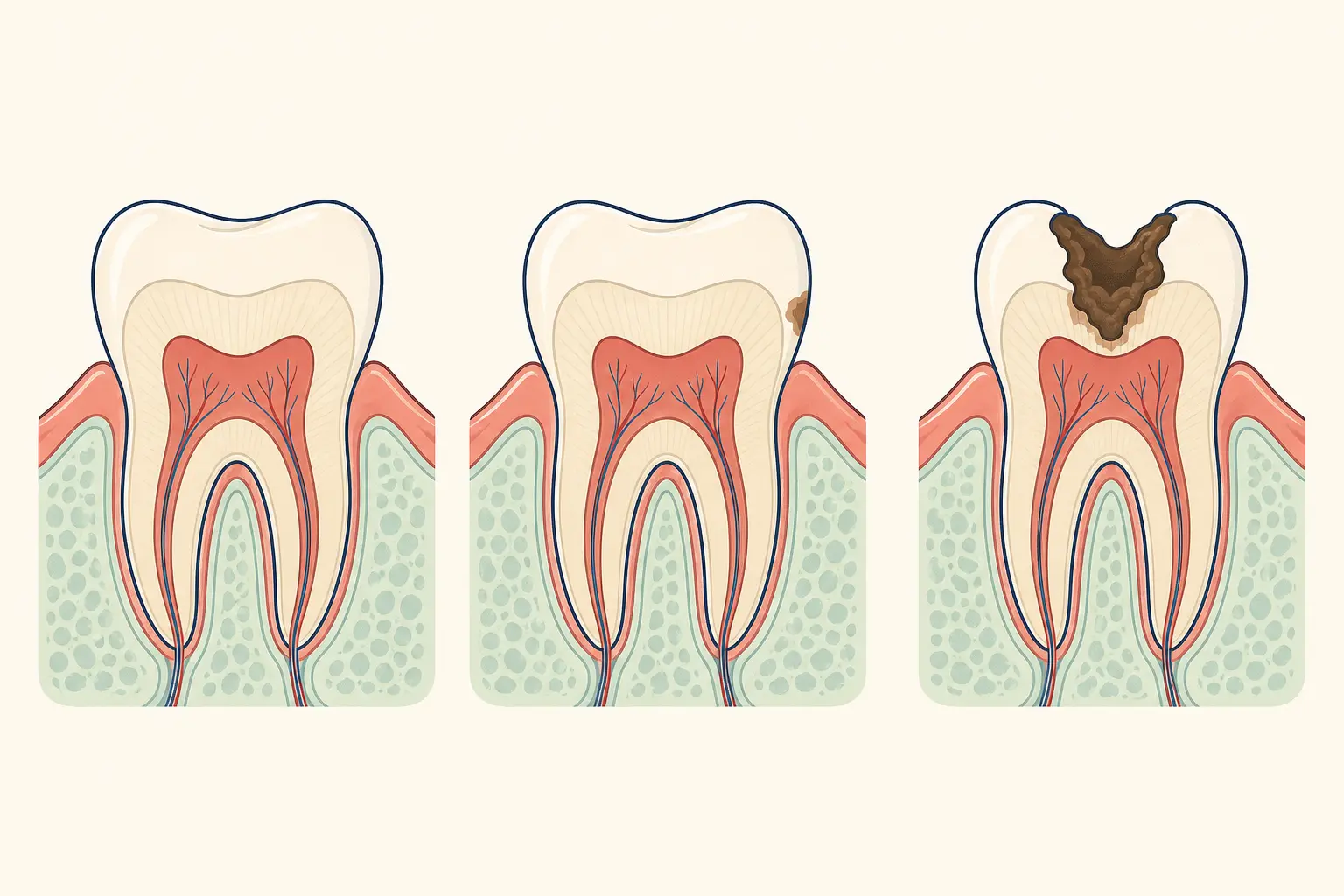
Dental emergencies include a knocked-out permanent tooth, a broken tooth with exposed pulp, a spreading infection, or bleeding that will not settle. The appropriate service depends on the injury, airway symptoms, medical history, and access to imaging.
What can you do next?
Rinse gently with water, place a clean gauze pad over bleeding, and use a cold pack outside the cheek for swelling. Do not put aspirin on the gum, force a displaced tooth into place, or delay care while searching for a perfect listing.
When should you seek dental care?
Get same-day dental advice for severe toothache, facial swelling, a fractured tooth, or a dental injury. Go to emergency medical care for trouble breathing or swallowing, rapidly spreading swelling, loss of consciousness, or major facial trauma.
What should you ask the dentist?
Ask whether the tooth can be stabilised or needs extraction, whether an X-ray is required, and how to control pain until definitive treatment. Confirm the office location, arrival instructions, and what to bring if the injury involved a tooth fragment.
Frequently asked questions
Should I visit a hospital or a dentist?
A dentist treats most tooth problems, while airway symptoms, major trauma, or uncontrolled bleeding require emergency medical services.
What information should I give when I call?
Describe the pain, swelling, bleeding, injury time, affected tooth, medical conditions, and medicines you take.