
Extract teeth near me
Tooth extraction removes a tooth that cannot be restored or should not remain, after examination, imaging, anaesthesia, and a healing plan.
The short answer
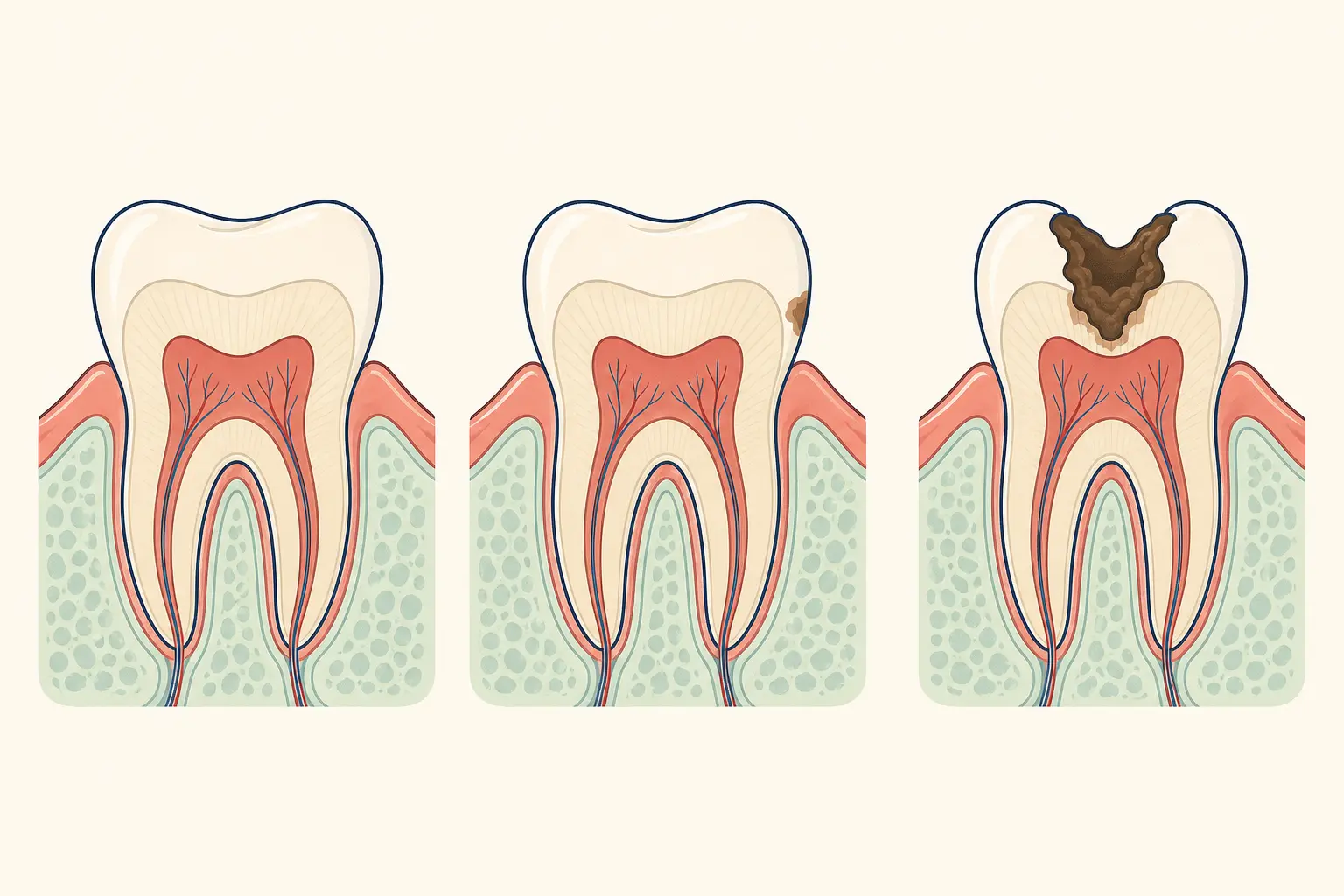
Tooth extraction is the controlled removal of a tooth from its socket when restoration is not suitable or removal is part of a planned treatment. The dentist examines the tooth and surrounding tissues, uses appropriate imaging and anaesthesia, then gives instructions for protecting the blood clot and healing.
What is the direct answer?
What does this question mean?
A simple extraction loosens an accessible tooth with elevators and forceps. A surgical extraction may need an incision, bone removal, tooth sectioning, or sutures when the tooth is broken, buried, curved, or difficult to access.
What can you do next?
Choose a dental clinic that can examine the tooth, take the needed radiograph, discuss alternatives, and provide local anaesthetic or a suitable referral when sedation or complex surgery is needed. Bring your medical history and medicine list, and arrange transport if medication may affect alertness.
When should you seek dental care?
Seek care for severe decay, a split tooth, repeated infection, advanced gum support loss, or a tooth that blocks planned orthodontic or prosthetic treatment. Urgent assessment is needed for swelling, fever, uncontrolled bleeding, or breathing or swallowing difficulty.
What should you ask the dentist?
Ask whether the tooth can be restored with a filling, crown, or root canal, and why extraction is recommended. Ask which extraction method is expected, how the socket will be managed, and what replacement options exist after healing.
Frequently asked questions
Can every tooth be extracted simply?
No. Root shape, bone coverage, fractures, limited opening, and nearby anatomy can make surgical access necessary.
What should I avoid after extraction?
Avoid disturbing the socket clot with forceful rinsing, smoking, or probing, and follow the clinic's written aftercare instructions.