
Free dental exam and xrays near me
A dental exam checks teeth and gums, while selected X-rays show hidden roots, bone, and decay when imaging is indicated.
The short answer
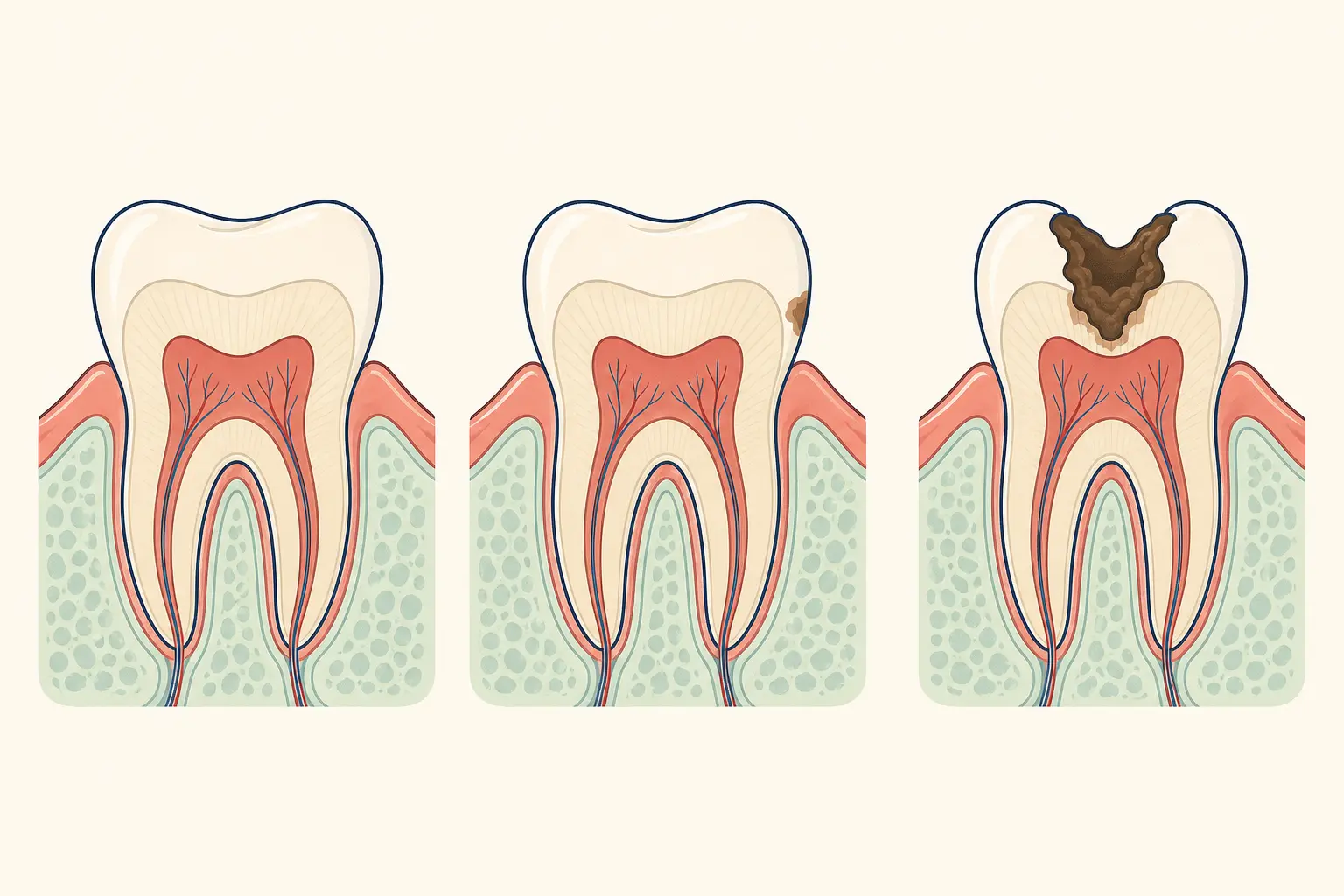
A dental exam is a clinical assessment of the teeth, gums, bite, mouth lining, and jaw, while dental X-rays show structures hidden below the surface. A dentist chooses the radiograph type and number after examining you; routine imaging is not identical for every patient.
What is the direct answer?
What does this question mean?
The dentist reviews your symptoms and medical history, inspects each tooth and gum area, and checks the bite and jaw movement. If an image is needed, a sensor or imaging plate records views such as bitewing, periapical, panoramic, or three-dimensional cone-beam imaging.
What can you do next?
Ask what the examination includes and whether an X-ray is clinically indicated for your concern. Bring previous radiographs and a list of medicines, and tell the clinic about pregnancy or possible pregnancy before imaging.
When should you seek dental care?
Arrange care promptly for toothache, facial swelling, fever, a broken tooth, or bleeding that does not settle with gentle pressure. Seek urgent help for trouble breathing or swallowing, rapidly spreading facial swelling, or an injury involving the jaw.
What should you ask the dentist?
Which X-ray would answer my concern? How will the findings change my treatment plan?
Frequently asked questions
What is the first useful step?
A dental exam is a clinical assessment of the teeth, gums, bite, mouth lining, and jaw, while dental X-rays show structures hidden below the surface.
What symptom should not be ignored?
Arrange care promptly for toothache, facial swelling, fever, a broken tooth, or bleeding that does not settle with gentle pressure.