
Dentist open for emergency near me
An emergency dentist assesses severe pain, swelling, bleeding, trauma, or a broken tooth and provides urgent stabilizing care.
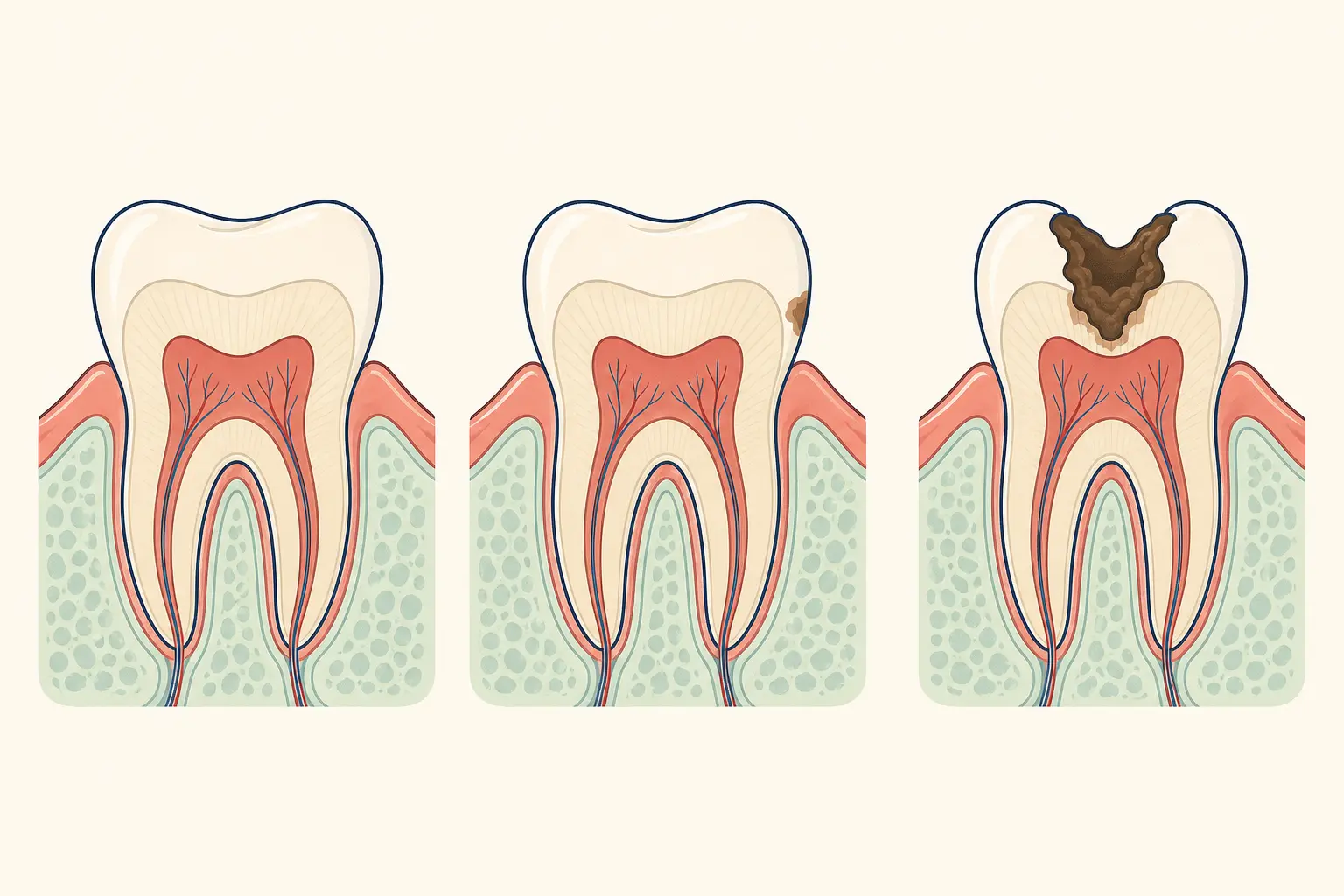
What is the direct answer?
An emergency dentist assesses severe pain, swelling, bleeding, trauma, or a broken tooth and provides urgent stabilizing care.
What does this question mean?
You are looking for a clinic that can assess an acute dental problem rather than schedule a routine cleaning. The appropriate service should be able to triage the symptom, examine the teeth and soft tissues, and arrange definitive treatment or referral.
What can you do next?
Call the clinic and describe the symptom, its onset, swelling, fever, injury, bleeding, and any medicines you take. Until assessed, rinse gently with water, avoid placing aspirin on the gum, and protect a displaced tooth or broken fragment in a clean container if one is available.
When should you seek dental care?
Seek urgent dental assessment for uncontrolled pain, facial swelling, pus, persistent bleeding, a knocked-out or displaced tooth, or a tooth fracture exposing the inner tissues. Go to emergency medical care when swelling affects breathing or swallowing, spreads toward the eye or neck, or follows a serious facial injury.
What should you ask the dentist?
Ask what structure is causing the problem, whether an X-ray is needed, and what treatment is required today to stabilize it. Also ask what definitive treatment remains, what warning signs require urgent return, and how to manage pain while healing.
Frequently asked questions
Can an emergency dentist treat swelling?
The dentist can identify its source and may drain infection, treat the tooth, prescribe medication when indicated, or arrange referral.
What should I take for sudden tooth pain?
A pharmacist or dentist can check which pain medicine fits your health history and current medicines; do not put tablets directly on the gum.