
Dental question about observed-topic:9ce4acdef
Children's dental concerns are assessed by age, tooth development, symptoms, oral habits, and the findings from an examination.
The short answer
A child's dental concern should be interpreted in the context of age, tooth development, symptoms, and an examination of the teeth, gums, bite, and jaw. The same finding can be normal at one age and require treatment at another.
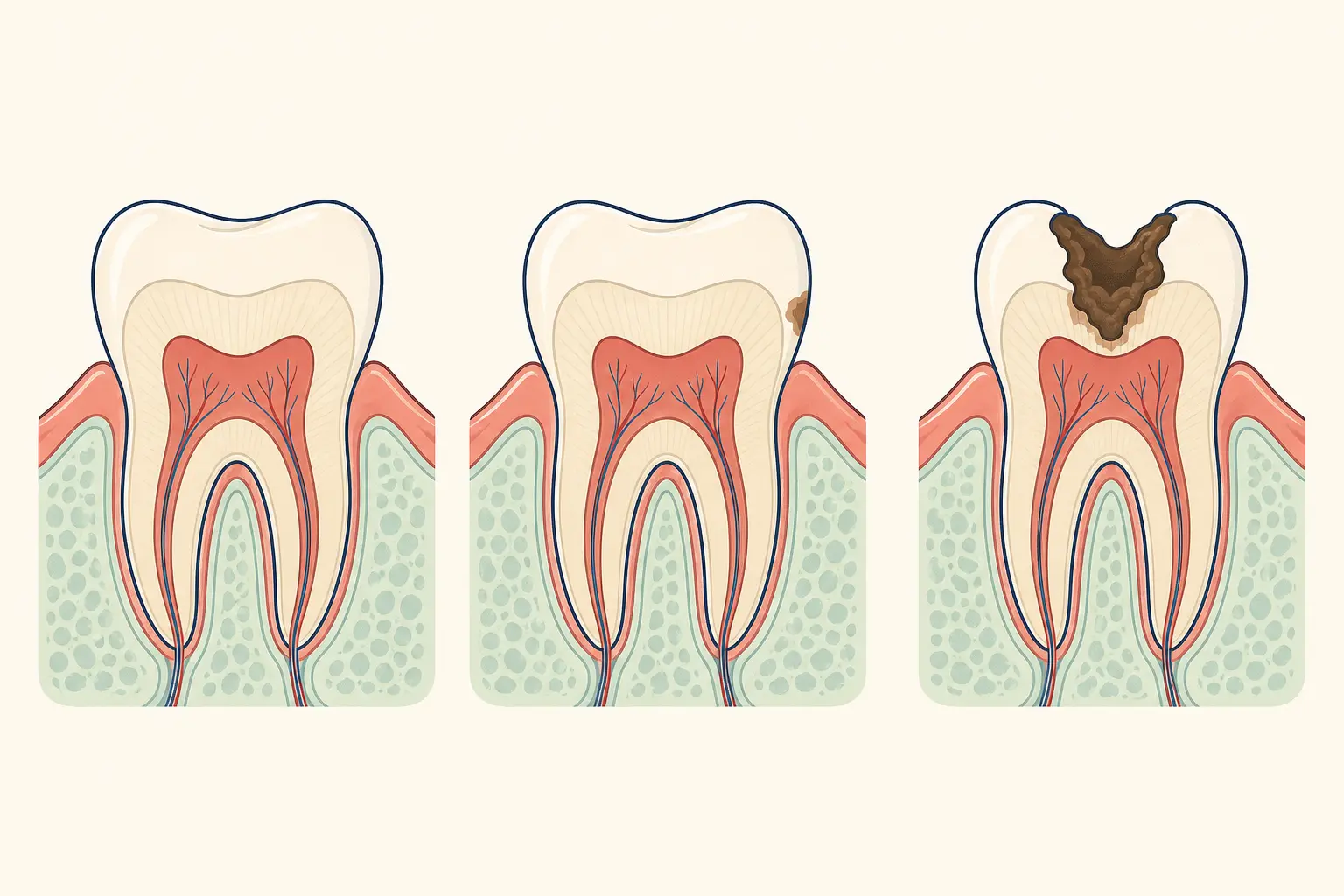
What is the direct answer?
What does this question mean?
Pediatric dental assessment considers primary and permanent teeth, eruption sequence, enamel development, space, and oral habits. Clinicians also consider pain, swelling, trauma, diet, brushing, and relevant medical history.
What can you do next?
Write down the child's age, the tooth or area involved, when the finding began, and whether there is pain, fever, swelling, bleeding, or difficulty eating. Keep the area clean with a soft brush and use only child-appropriate dental products as directed on the label.
When should you seek dental care?
Arrange a dental visit for persistent pain, a visible cavity, delayed or asymmetric eruption, repeated swelling, or a tooth injured by a fall. Seek urgent care for facial swelling, fever, uncontrolled bleeding, or difficulty breathing or swallowing.
What should you ask the dentist?
Ask whether the finding matches the child's expected development and whether an examination or radiograph is needed. Ask how to protect the tooth now, whether space or bite may be affected, and when follow-up should occur.
Frequently asked questions
Do children need dental checks without pain?
Yes. A child can have decay or an eruption problem before symptoms become obvious.
Will every unusual tooth need an X-ray?
No. The dentist decides after examining the child and weighs the finding, age, symptoms, and diagnostic need.