
Dental question about observed-topic:1995520a9
An unexplained mouth symptom should be described by its location, duration, appearance, triggers, and associated dental or general symptoms.
The short answer
When a mouth symptom is not clearly named, its location, duration, appearance, triggers, and associated symptoms determine the next clinical step. A dentist can translate that description into an anatomical finding and diagnosis.
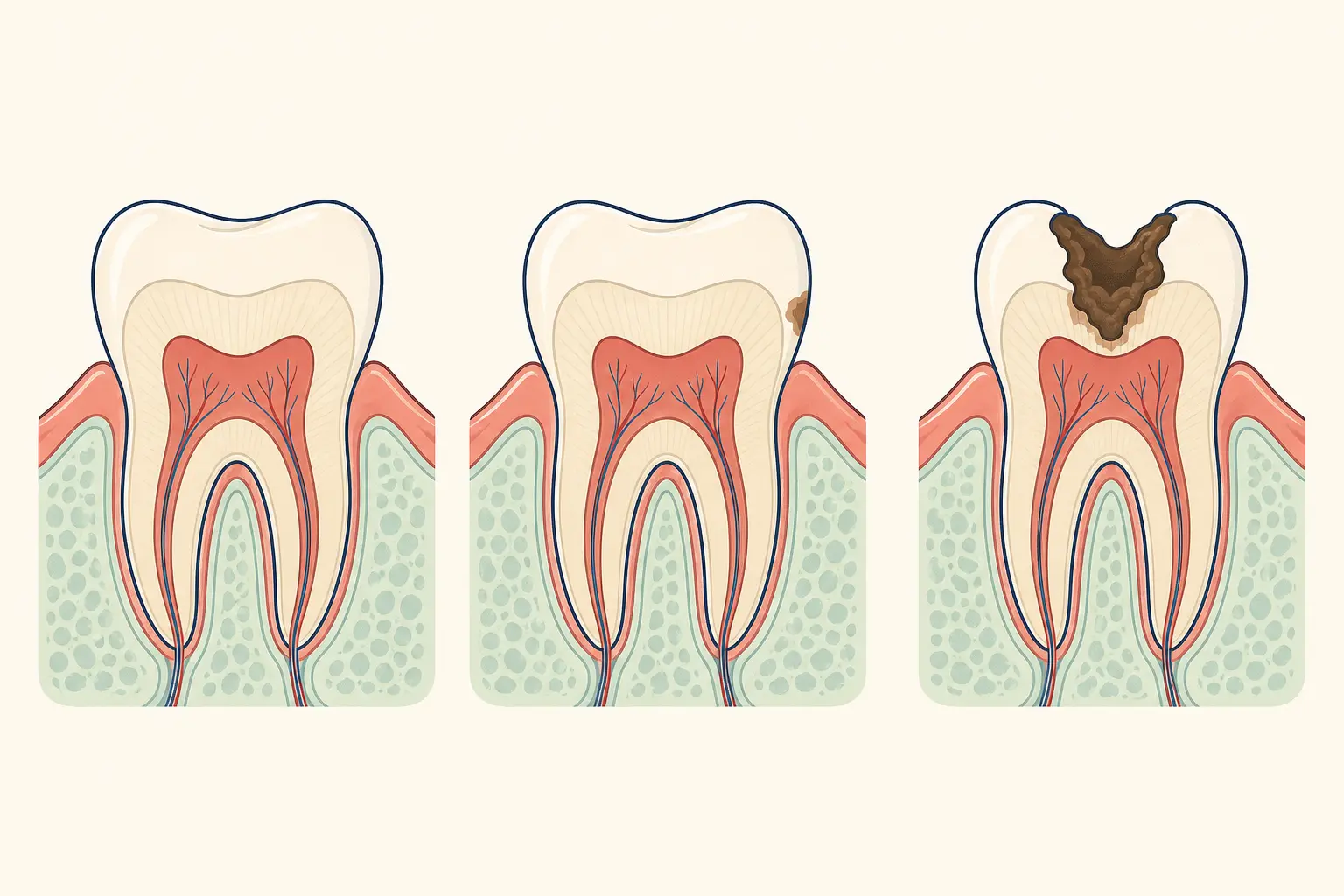
What is the direct answer?
What does this question mean?
Oral symptoms may arise from teeth, gums, tongue, salivary glands, jaw joints, or the lining of the mouth. The same sensation can have different causes depending on whether tissue is ulcerated, swollen, dry, numb, tender, or visibly normal.
What can you do next?
Record when the symptom began, what makes it better or worse, recent dental work, new products or medicines, and any visible change. Keep the area clean without scrubbing it, and avoid self-treating with leftover prescription medicines.
When should you seek dental care?
Arrange an examination for a symptom that persists, recurs, enlarges, or interferes with eating, speaking, or sleep. Seek urgent care for facial swelling, uncontrolled bleeding, severe pain, or difficulty breathing or swallowing.
What should you ask the dentist?
Ask which structure is affected and what findings support the proposed diagnosis. Ask whether you need a cleaning, dental imaging, a swab, medication review, biopsy, or referral to another clinician.
Frequently asked questions
What should I photograph?
A clear image can record the location, size, color, and surface of a visible change for comparison at an examination.
Can a dentist diagnose from a symptom alone?
Usually the symptom is combined with an oral examination and, when needed, tests or imaging.