
Dental question about observed-topic:5194491c5
Dental care combines daily plaque control, a suitable diet, examinations, and timely treatment.
The short answer
Good dental care combines daily plaque control, a balanced diet, regular risk-based examinations, and timely treatment of problems before they progress.
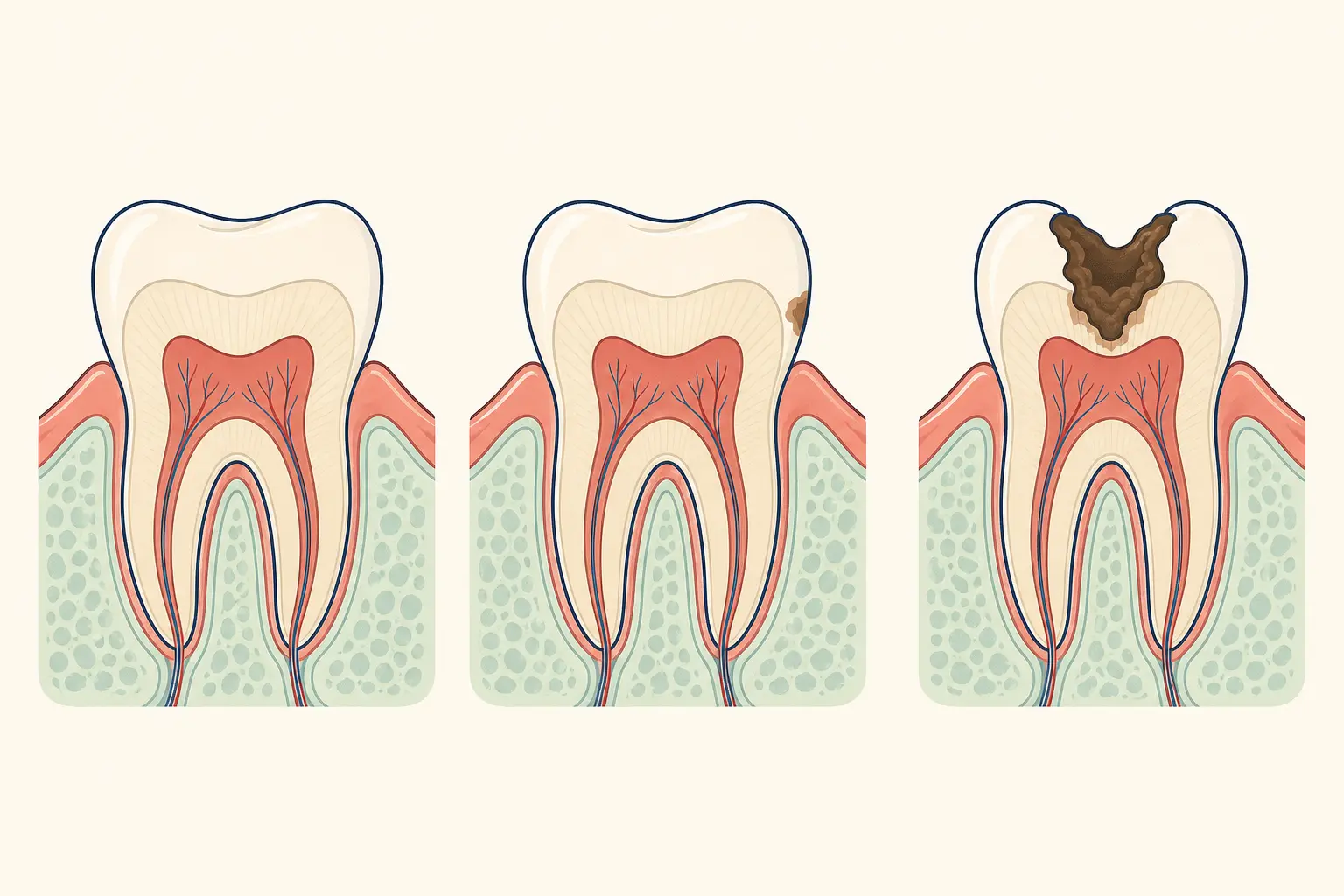
What is the direct answer?
What does this question mean?
Dental care protects teeth, gums, supporting bone, and the oral tissues. It includes prevention at home, professional examination and cleaning when indicated, and treatments such as fillings, periodontal care, sealants, crowns, root canal treatment, or replacement of missing teeth.
What can you do next?
Brush all tooth surfaces with fluoride toothpaste, clean between teeth with floss or interdental brushes, limit frequent sugary drinks and snacks, and follow an individual recall plan. A dental visit can include examination, gum measurements, bite assessment, radiographs when indicated, and preventive advice.
When should you seek dental care?
Book care for persistent pain, bleeding or swollen gums, a broken tooth, a loose restoration, a mouth ulcer that does not resolve, or a change in a lump or patch. Urgent symptoms include facial swelling or difficulty breathing or swallowing.
What should you ask the dentist?
Ask how your decay and gum risks are assessed, which cleaning method fits your spaces, whether radiographs are needed, and what interval is appropriate for your next examination.
Frequently asked questions
Can home care fix the underlying problem?
Home care can reduce irritation or symptoms, but a dental examination is needed when a structural problem, infection, or active disease may be present.
What information should I bring to the appointment?
Bring a list of medicines and health conditions, describe when the symptom or concern began, and note triggers, previous dental work, and changes over time.