
Dental question about observed-topic:3b9257bc2
A general dental question is best answered by identifying the affected tissue, the symptom pattern, and the examination needed to confirm the cause.
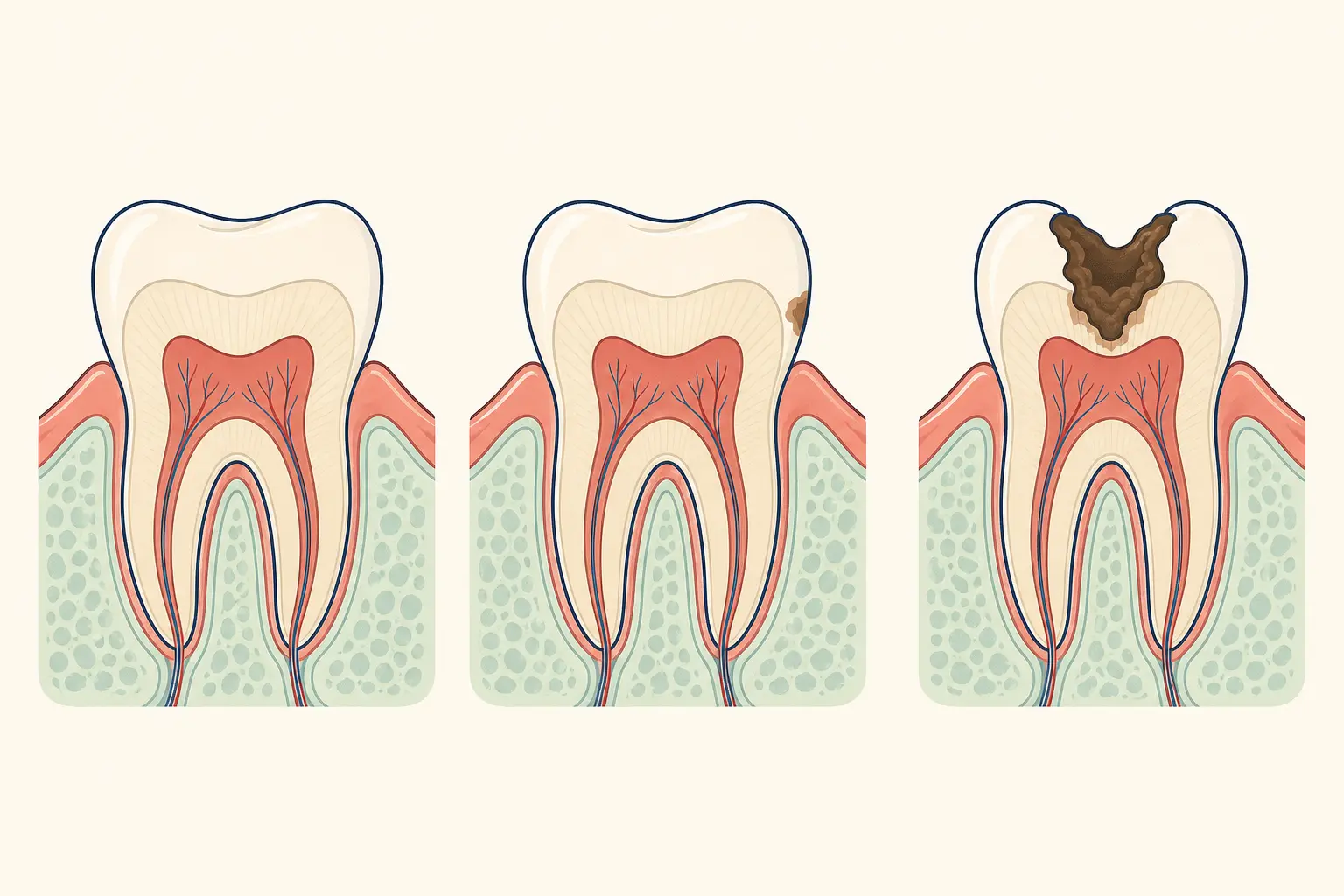
What is the direct answer?
A general dental question is best answered by identifying the affected tissue, the symptom pattern, and the examination needed to confirm the cause.
What does this question mean?
Dental problems may involve enamel, dentine, pulp, gums, jawbone, oral mucosa, saliva, or the jaw joints, and each requires a different assessment.
What can you do next?
Write down when the problem began, what triggers it, and any swelling, bleeding, trauma, medicines, or medical conditions.
When should you seek dental care?
Seek care when a mouth problem persists, returns, affects eating or sleep, or is accompanied by swelling, fever, bleeding, or injury.
What should you ask the dentist?
Ask what the likely diagnosis is, what alternatives were considered, and which examination or imaging will guide treatment.
Frequently asked questions
What will a dentist check?
The dentist examines the relevant teeth and oral tissues, reviews your history, and uses targeted tests or imaging when needed.
Can home care replace an examination?
Home care can reduce irritation, but it cannot identify or treat causes such as decay, pulp disease, or infection.