
Dental question about observed-topic:b61e25ab0
This label does not identify a clinical symptom, so the dental concern must be described before it can be answered accurately.
The short answer
This label does not identify a clinical symptom, so the dental concern must be described before it can be answered accurately. A useful description includes the body area, the symptom, when it began, and what makes it better or worse.
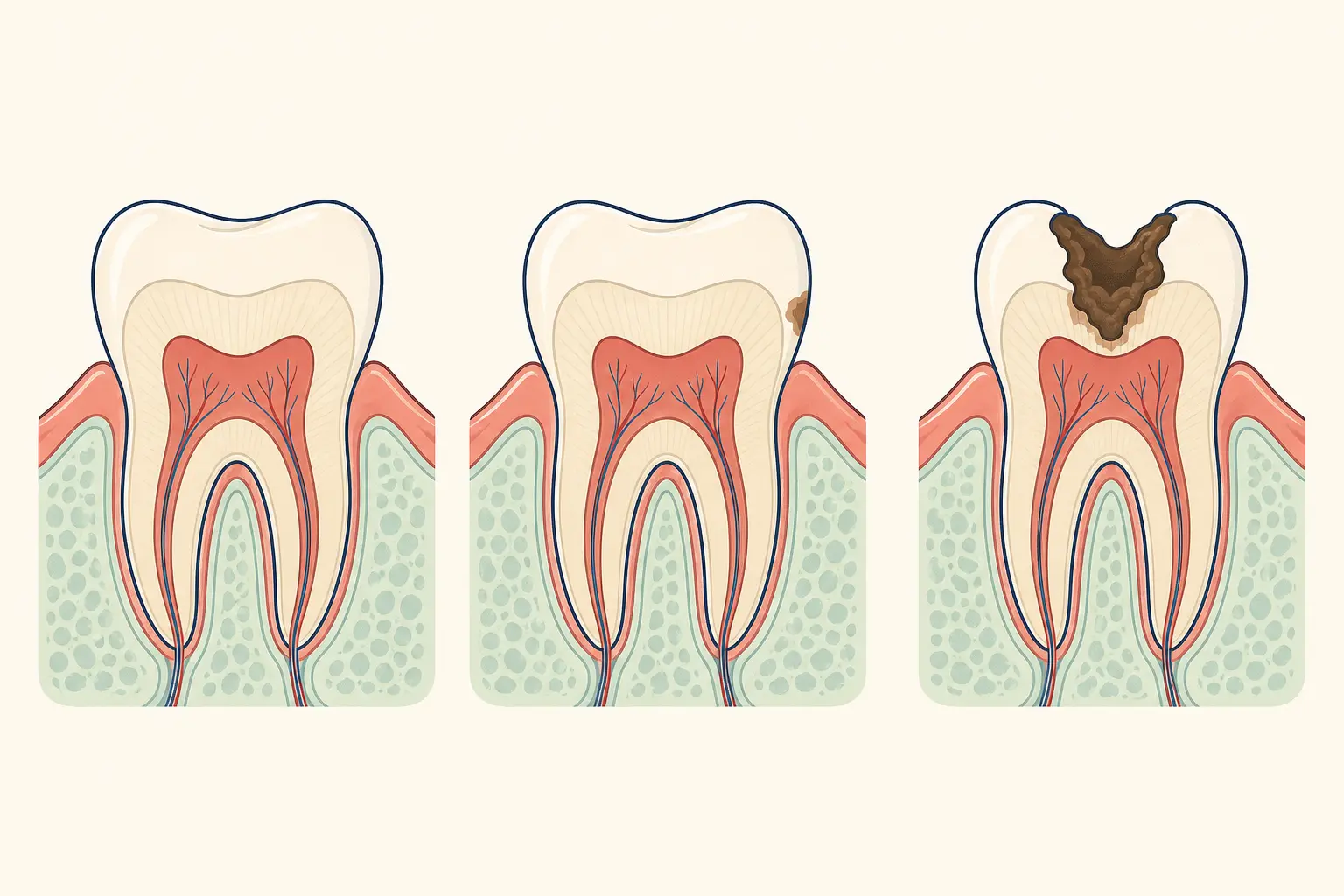
What is the direct answer?
What does this question mean?
Dental diagnosis depends on a specific finding such as pain, swelling, bleeding, sensitivity, a damaged tooth, or a change in the mouth lining. A vague label cannot distinguish tooth decay from gum inflammation, infection, trauma, or a non-dental problem.
What can you do next?
Rewrite the concern in ordinary words and note its location, duration, severity, triggers, recent dental work, medicines, and relevant medical conditions. Do not place aspirin or caustic substances on oral tissue while waiting for an assessment.
When should you seek dental care?
Arrange dental care for ongoing pain, swelling, bleeding, a loose tooth, pus, fever, or a sore that persists. Breathing difficulty, rapidly increasing facial swelling, or inability to swallow requires emergency medical attention.
What should you ask the dentist?
Ask what finding explains the symptom, whether an X-ray or other test is needed, and which treatments address the cause. Ask what changes require urgent review if the diagnosis is uncertain.
Frequently asked questions
Can a dentist answer a vague dental label?
A clinician needs the actual symptom or finding, because different mouth conditions can produce similar general descriptions.
What should I record before an appointment?
Note the location, timing, triggers, associated swelling or fever, recent treatment, and medicines you take.