
Dental question about observed-topic:6371f9239
This dental question needs a clear description of the symptom, treatment, or product before a useful clinical answer can be given.
The short answer
A useful answer depends on identifying the actual dental symptom, treatment, or product meant by the question and then matching it to its cause and clinical context. Dental diagnosis uses the history, mouth examination, tooth tests, gum measurements, and imaging when indicated.
What is the direct answer?
What does this question mean?
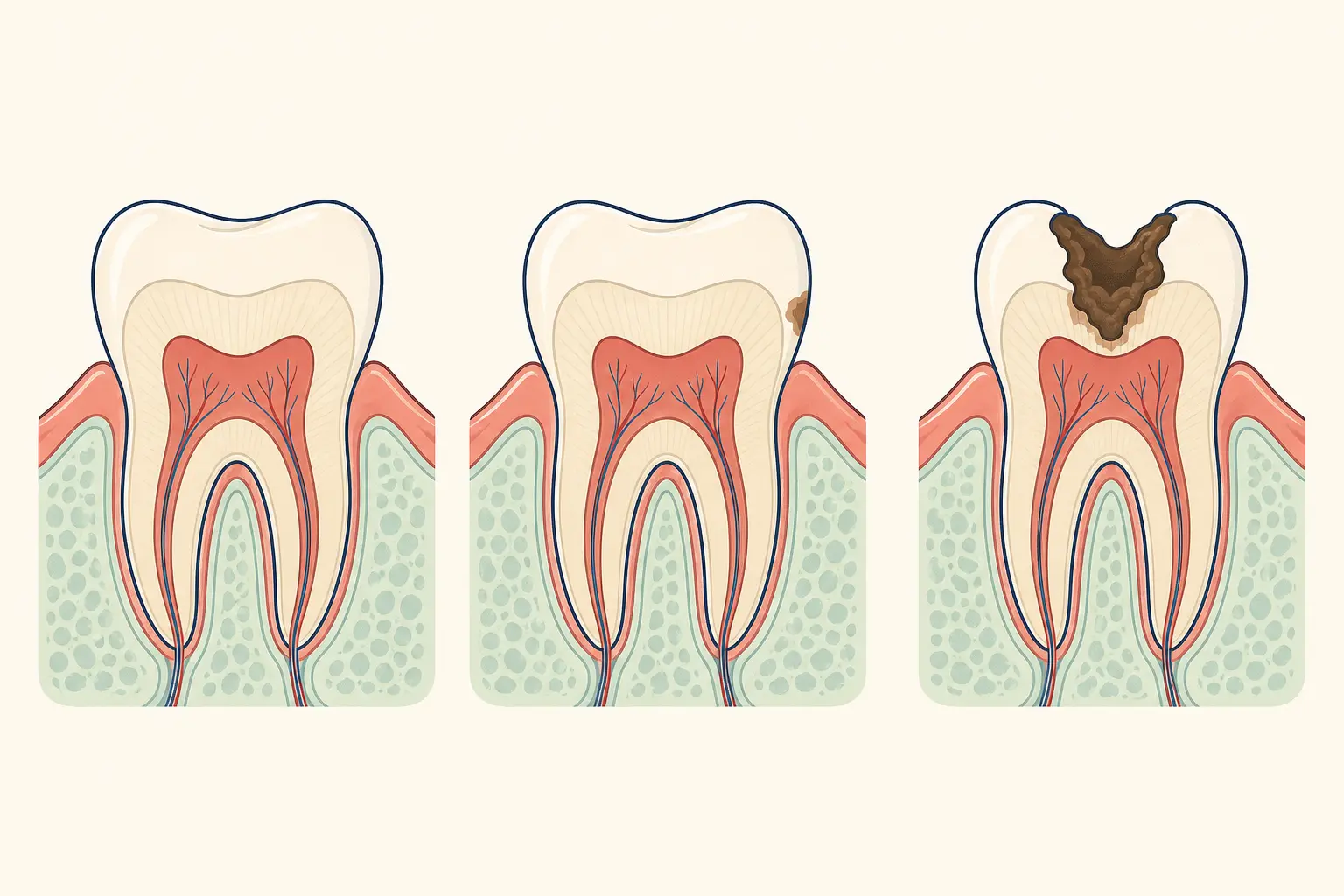
A short or automatically generated topic label may hide important details such as location, duration, pain, swelling, a recent procedure, or a named material. Those details determine whether the issue concerns enamel, dentin, pulp, periodontal tissue, oral lining, or the jaw.
What can you do next?
Write down where the problem is, when it began, what triggers it, and any treatment or medicine involved. Keep the area clean, avoid picking or applying household chemicals, and arrange an examination when the symptom is persistent or unclear.
When should you seek dental care?
Seek dental care for persistent pain, swelling, bleeding, a broken tooth, a new ulcer, or a change that does not settle. Facial swelling with trouble breathing or swallowing requires emergency medical attention.
What should you ask the dentist?
Ask what structure is affected, what findings support the diagnosis, and whether an X-ray or other test is needed. Ask which treatment addresses the cause, what home care is appropriate, and what changes should trigger an urgent review.
Frequently asked questions
What should I record before an appointment?
Record the site, start date, severity, triggers, associated symptoms, medicines, and recent dental treatment.
Do all dental problems need an X-ray?
No; the need for imaging depends on the history and examination findings.