
Dental question about observed-topic:4dac04a8d
A dental concern is best understood by identifying the affected tooth or tissue, the symptom pattern, and the process causing it.
The short answer
A dental concern is best understood by identifying the affected tooth or tissue, the symptom pattern, and the process causing it. The timing and intensity depend on the tissue involved and the clinical cause.
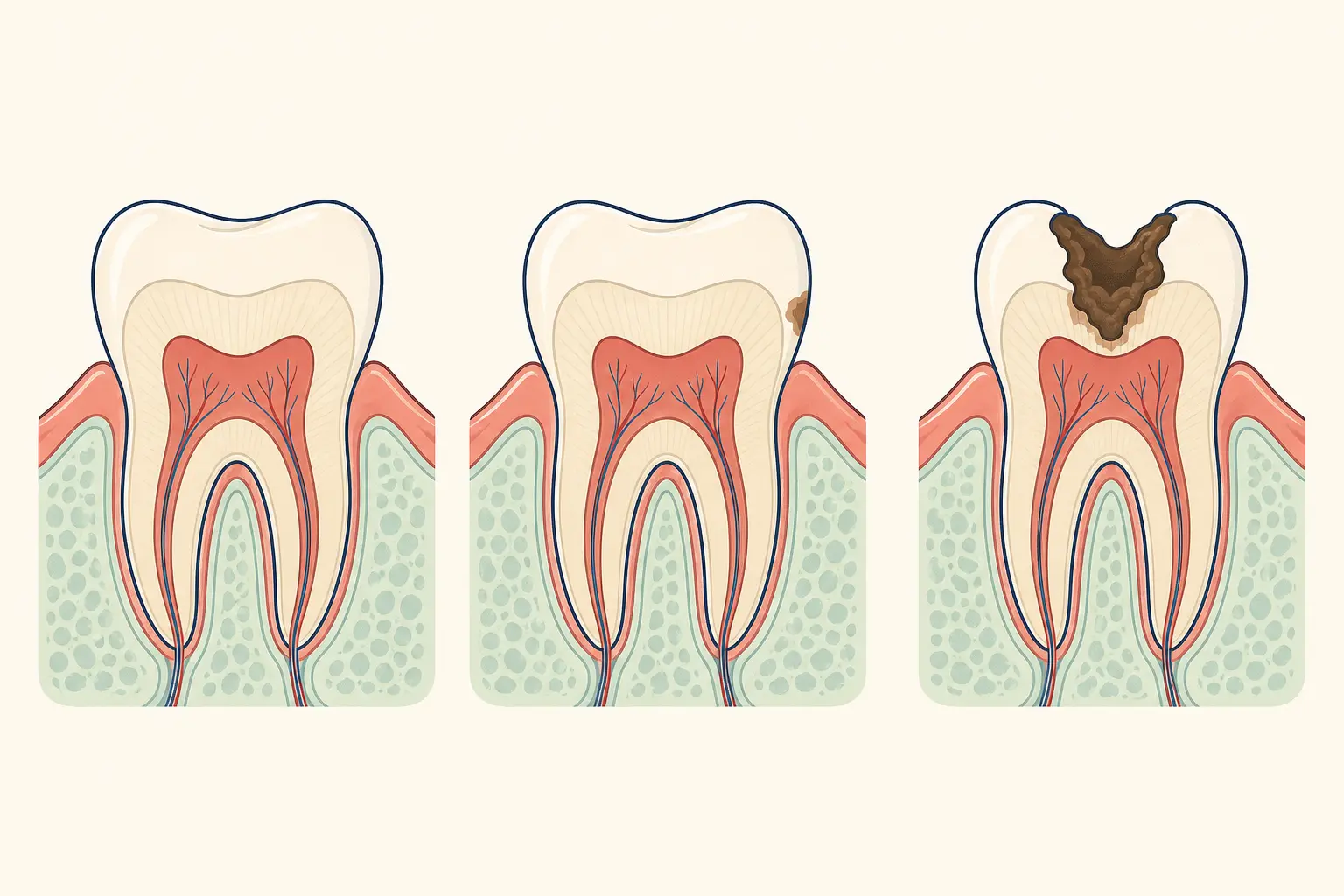
What is the direct answer?
What does this question mean?
Dental care covers teeth, gums, the supporting bone, oral soft tissues, and the jaw joints; the same symptom can have different causes.
What can you do next?
For a dental concern, start with a dental examination that identifies the tissue involved and the cause. Follow the recommended clinical plan, protect the area from further irritation, and record changes in pain, swelling, colour, or function.
When should you seek dental care?
Arrange dental care when a dental concern is persistent, worsening, repeatedly returning, or affecting eating, sleeping, or normal mouth opening. Seek prompt care for facial swelling, fever, uncontrolled bleeding, breathing difficulty, or trouble swallowing.
What should you ask the dentist?
Ask what structure is causing the symptom, which examination or imaging is needed, what treatment options fit the finding, and how you should manage the area during recovery. Ask which changes should trigger an earlier review.
Frequently asked questions
Why is an examination needed?
The location and cause of a symptom cannot always be identified from how it feels alone.
What may happen at the visit?
The dentist may inspect the mouth, gently test teeth and gums, assess the bite, and take imaging if it will clarify the diagnosis.