
Dental question about observed-topic:b72b51cb9
A general dental concern should be assessed by identifying the affected tooth or tissue, the symptom pattern, and any visible changes before treatment is c
The short answer
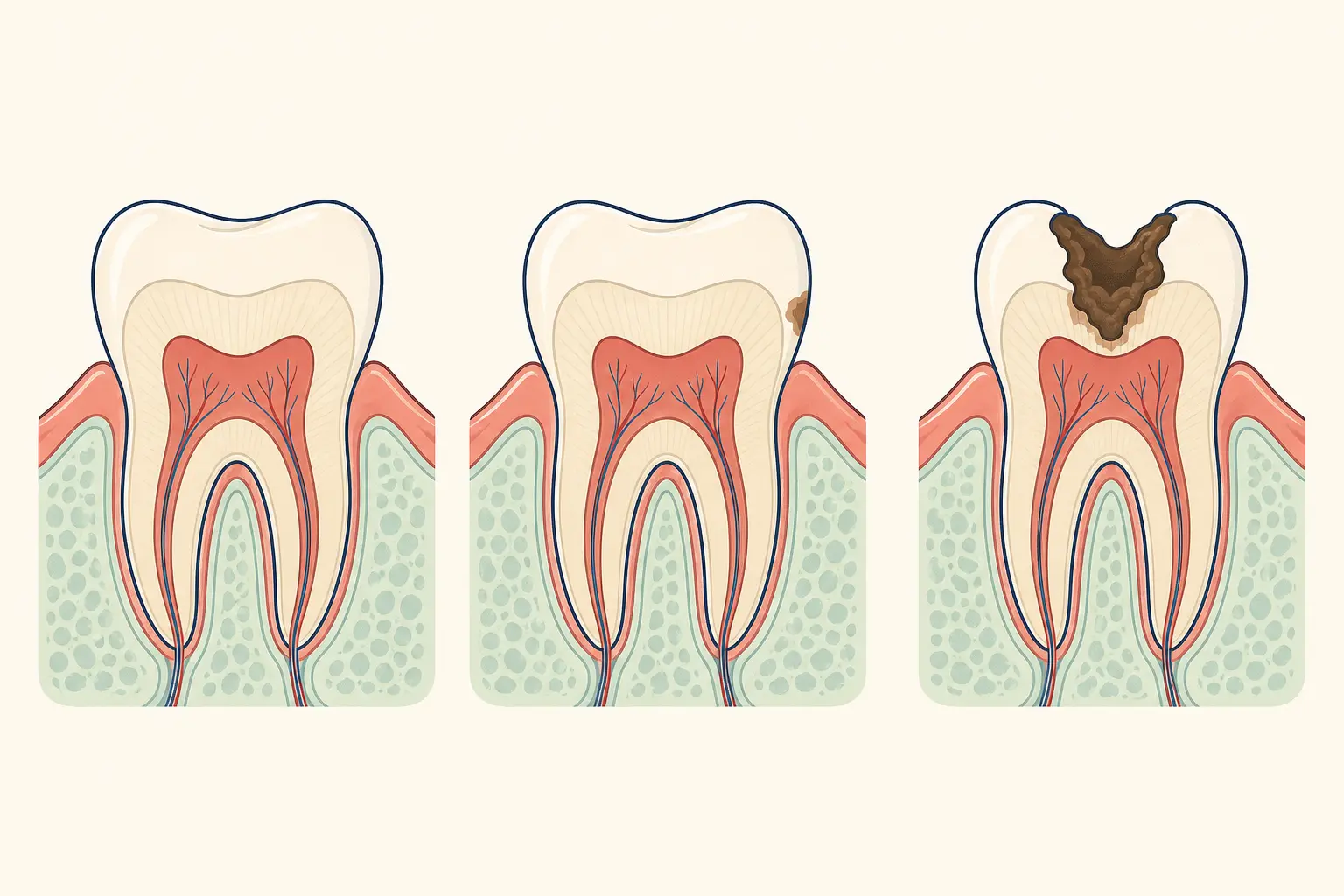
Dental symptoms can involve enamel, dentin, pulp, gums, periodontal ligament, jaw joints, or oral mucosa. The same complaint can have different causes, so timing, triggers, location, and associated swelling or bleeding guide the examination.
What is the direct answer?
What does this question mean?
Record when the concern began, what makes it better or worse, and whether there is pain, sensitivity, bleeding, swelling, discharge, trauma, or a change in appearance. Continue gentle brushing and avoid repeatedly testing a painful area.
What can you do next?
Arrange a dental examination for a new, persistent, or recurring change, especially a lump, ulcer, broken tooth, bleeding site, swelling, or altered sensation. Get urgent help for breathing difficulty, swallowing difficulty, or rapidly increasing facial swelling.
When should you seek dental care?
Ask which tissue is affected, what findings support the diagnosis, whether an X-ray or other test is needed, and what treatment or monitoring plan follows.
Frequently asked questions
Should I take a photo of the change?
Yes. A dated photo can help show how the appearance changes between visits, but it does not replace examination.
What happens at the appointment?
The dentist reviews your history, examines the mouth, tests relevant teeth or tissues, and orders imaging when the findings justify it.