
Dental question about observed-topic:46a5e472b
Routine dental care combines prevention, examination, diagnosis, and treatment to protect teeth, gums, oral mucosa, and jaw function.
The short answer
Routine dental care combines prevention, examination, diagnosis, and treatment to protect teeth, gums, oral mucosa, and jaw function. Brush all tooth surfaces with fluoride toothpaste, clean between teeth, limit frequent sugary exposures, and protect teeth during contact sports. Keep a record of medicines, allergies, previous dental work, and any changes in the mouth.
What is the direct answer?
What does this question mean?
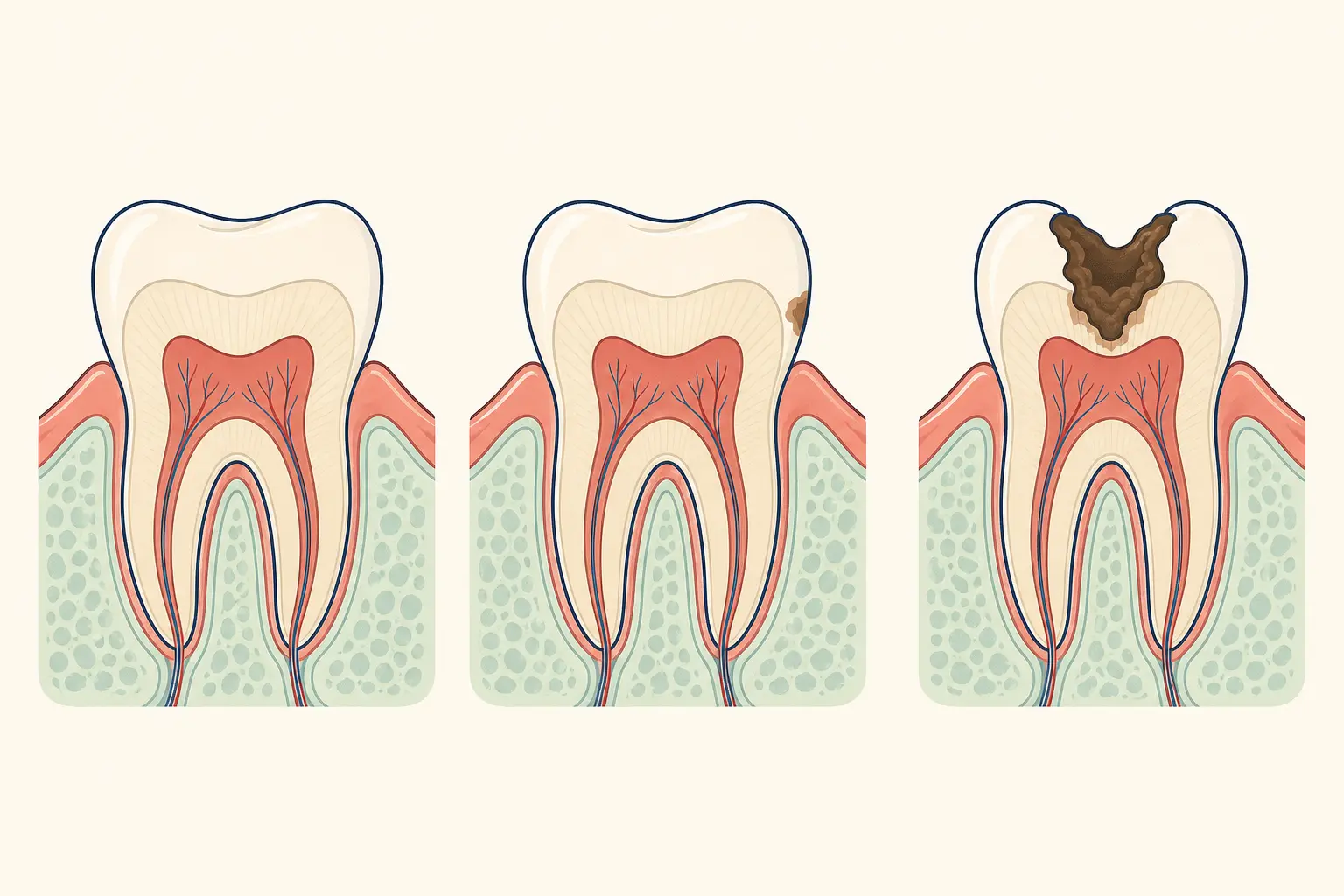
General dental care includes history taking, inspection of the teeth and oral mucosa, gum assessment, bite review, and targeted tests when needed. Treatment may include hygiene instruction, fillings, periodontal care, extraction, or referral for specialist treatment.
What can you do next?
Brush all tooth surfaces with fluoride toothpaste, clean between teeth, limit frequent sugary exposures, and protect teeth during contact sports. Keep a record of medicines, allergies, previous dental work, and any changes in the mouth.
When should you seek dental care?
Book care for persistent pain, bleeding gums, swelling, a broken tooth, a mouth ulcer that does not heal, or a change in bite. Facial swelling, breathing difficulty, or uncontrolled bleeding requires urgent attention.
What should you ask the dentist?
Ask what the examination found, which findings need treatment first, and which preventive measure would make the greatest difference. Request a clear explanation of alternatives and the clinical reason for each test.
Frequently asked questions
What is the most important first step?
Brush all tooth surfaces with fluoride toothpaste, clean between teeth, limit frequent sugary exposures, and protect teeth during contact sports.
When should this be checked?
Book care for persistent pain, bleeding gums, swelling, a broken tooth, a mouth ulcer that does not heal, or a change in bite.