
Dental question about observed-topic:e79f41aa0
A dental concern needs an examination when symptoms are persistent, localized, or worsening because the same complaint can arise from teeth, gums, the.
The short answer
A dental concern needs an examination when symptoms are persistent, localized, or worsening because the same complaint can arise from teeth, gums, the jaw joint, or nearby tissues.
What is the direct answer?
What does this question mean?
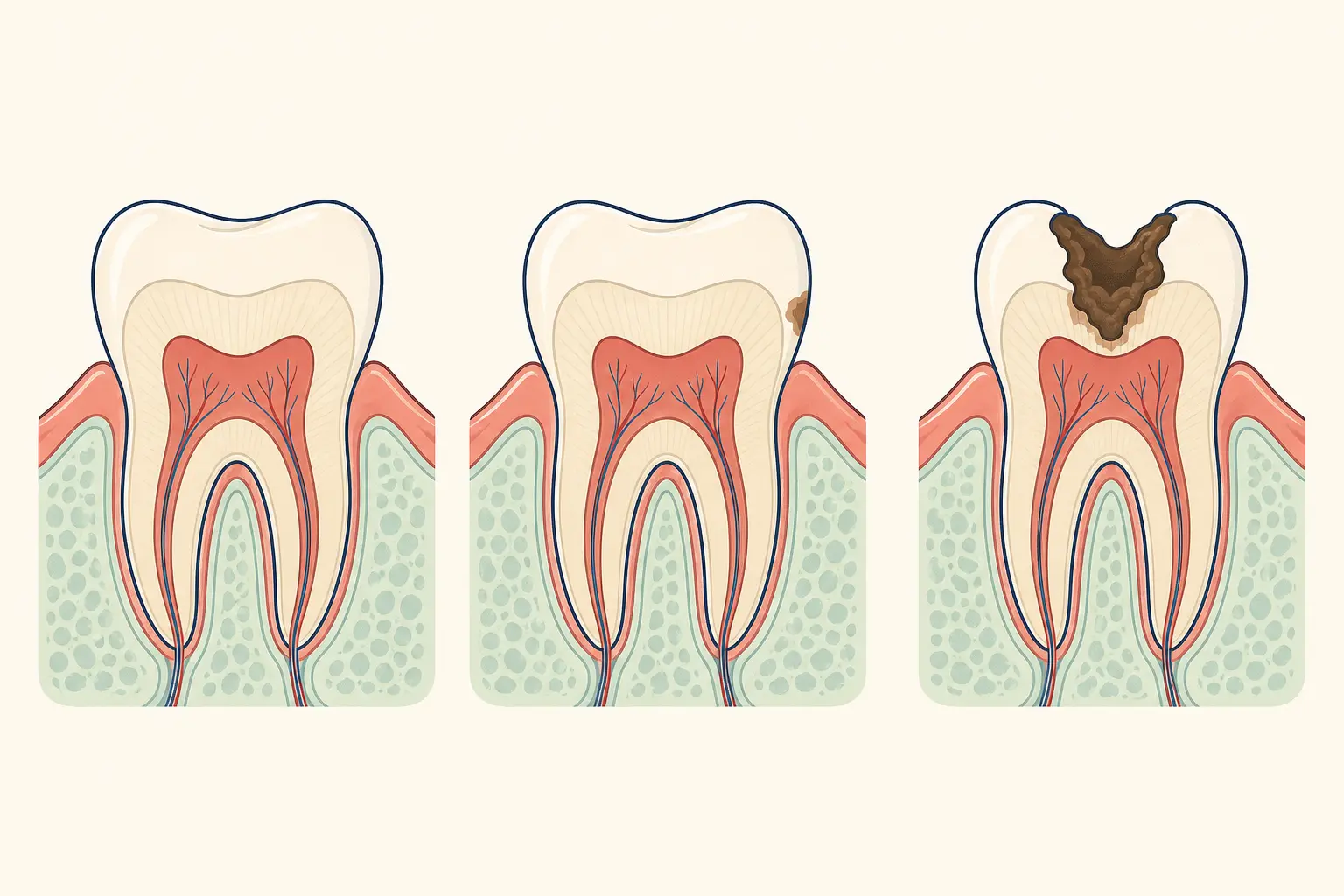
Dental symptoms are interpreted by location, timing, triggers, visible changes, and medical history. A dentist may examine enamel, dentine, pulp, periodontal tissues, the bite, and the temporomandibular joint before deciding whether imaging is needed.
What can you do next?
Write down when the symptom began, what triggers it, and whether swelling, bleeding, fever, altered sensation, or trauma is present. Keep the area clean and avoid repeatedly testing it with very hot, cold, hard, or acidic foods.
When should you seek dental care?
Arrange care when the problem returns, interferes with eating or sleep, or is accompanied by swelling, fever, pus, or a loose tooth. Emergency assessment is needed for breathing or swallowing difficulty and rapidly spreading swelling.
What should you ask the dentist?
Which structures could cause this symptom, what examination will distinguish them, and what treatment would preserve the tooth or surrounding tissue?
Frequently asked questions
What should I ask about this problem?
Which structures could cause this symptom, what examination will distinguish them, and what treatment would preserve the tooth or surrounding tissue?
What should I avoid?
Write down when the symptom began, what triggers it, and whether swelling, bleeding, fever, altered sensation, or trauma is present. Keep the area clean and avoid repeatedly testing it with very hot, cold, hard, or acidic foods.