
Dental question about observed-topic:71d65368e
This topic label does not identify a clinical problem, so the right answer depends on the symptom, tooth, or treatment being described.
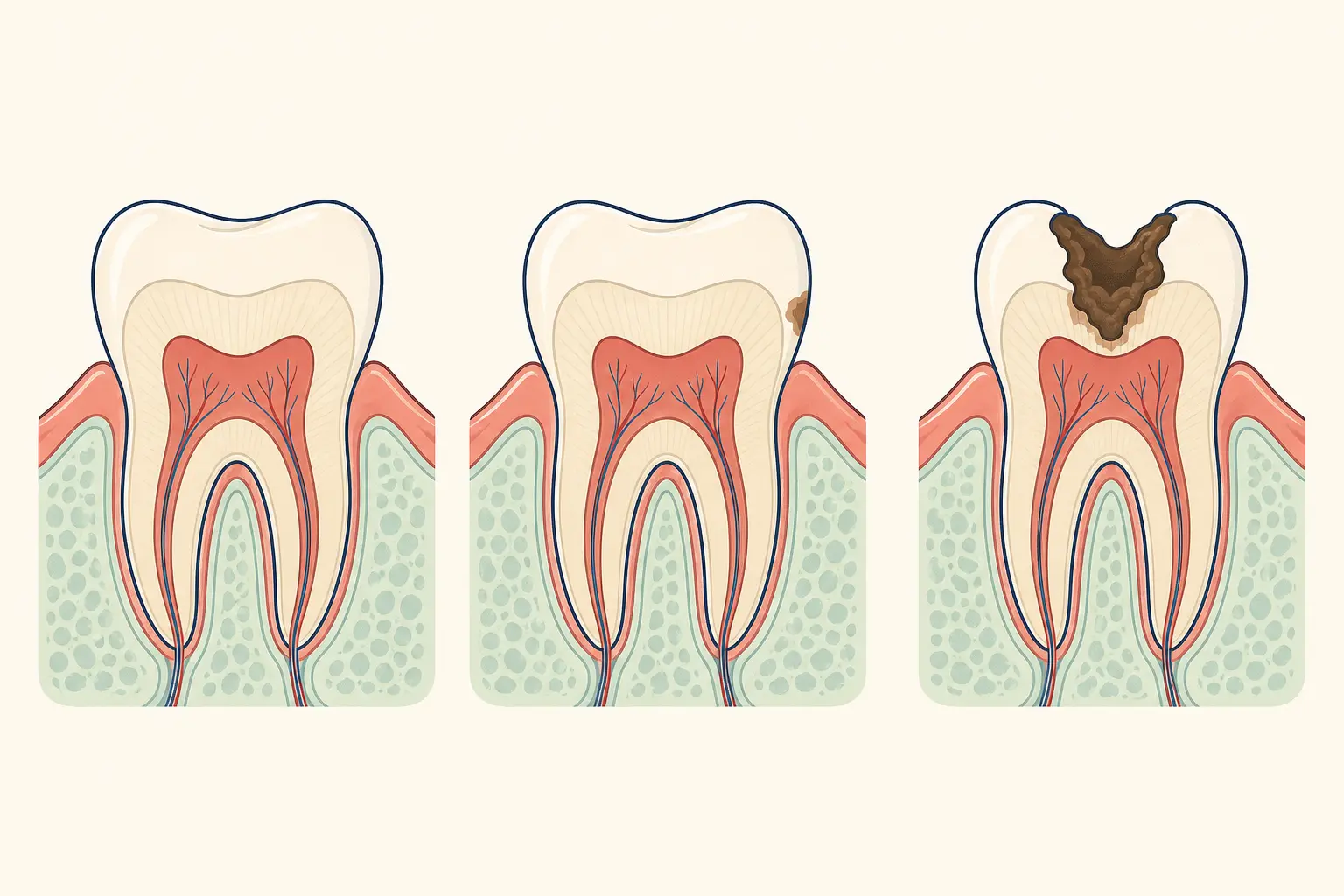
What is the direct answer?
This topic label does not identify a clinical problem, so the right answer depends on the symptom, tooth, or treatment being described.
What does this question mean?
A clinical topic is usually defined by an observable finding such as bleeding, sensitivity, a broken tooth, a missing tooth, or a procedure. An unidentified label cannot distinguish enamel, dentine, pulp, periodontal tissue, oral mucosa, or a dental restoration.
What can you do next?
Write down which part of the mouth is affected, when it started, what makes it better or worse, and whether there is fever, discharge, trauma, or difficulty opening the mouth. Keep normal gentle brushing, but do not place chemicals or sharp objects on the area.
When should you seek dental care?
Seek urgent dental or medical assessment for facial swelling, breathing or swallowing difficulty, uncontrolled bleeding, or a knocked-out permanent tooth. For a persistent or recurring change without those signs, book an examination so the tissues can be inspected and tested.
What should you ask the dentist?
Ask which tissue is affected, what examination or imaging is needed, and which findings support the diagnosis. Ask what treatment is optional, what should happen promptly, and what changes should trigger a return visit.
Frequently asked questions
Can a dentist answer an unclear dental question?
Yes, an examination can convert a vague description into a finding by inspecting the mouth and testing teeth and tissues.
What information should I bring?
Bring the onset, exact location, symptoms, recent dental work, medicines, and any photograph that shows how the area changed.