
Dental question about observed-topic:cc1cd6f42
A dental concern is answered by identifying the affected tissue, its symptoms and causes, and the examination or treatment that fits the finding.
The short answer
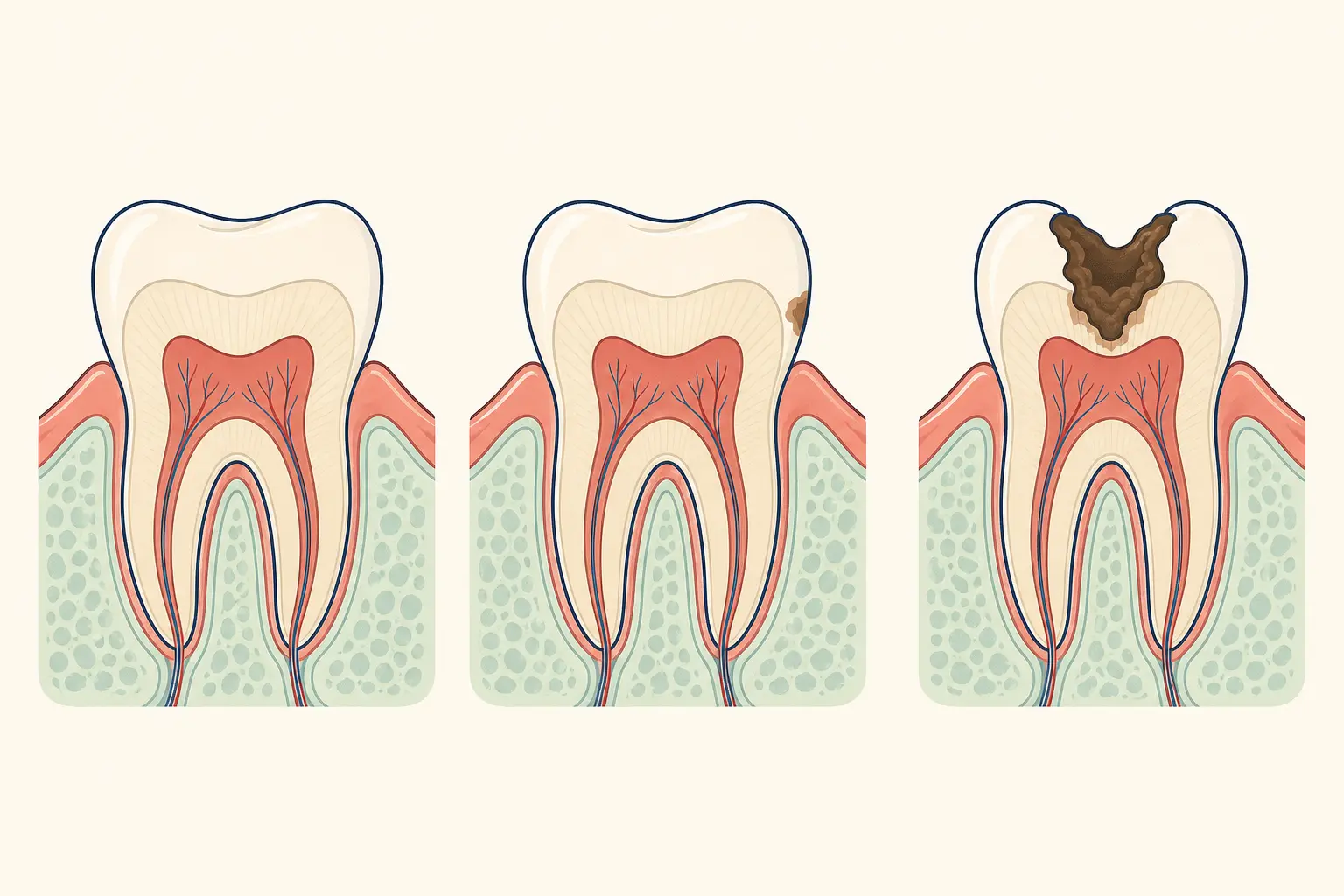
A dental concern is answered by identifying the affected tissue, its symptoms and causes, and the examination or treatment that fits the finding. A dental question should be translated into an anatomical problem: tooth, gum, jaw joint, oral lining, salivary gland, or facial nerve. The answer depends on the symptom pattern and examination findings.
What is the direct answer?
What does this question mean?
Pain, bleeding, swelling, sensitivity, altered colour, bad taste, a lump, or limited opening can arise from different conditions. Similar symptoms can require different treatment when the cause is decay, inflammation, trauma, infection, or muscle strain.
What can you do next?
Note when the symptom began, what triggers it, its location, and any swelling, fever, injury, new medicine, or dental work. Continue gentle brushing and avoid repeatedly pressing or picking the area.
When should you seek dental care?
Seek prompt dental care for facial swelling, fever, pus, uncontrolled bleeding, severe pain, a broken tooth, or difficulty swallowing or breathing. A persistent unexplained change should also be examined.
What should you ask the dentist?
Ask which structure is affected, what findings support the diagnosis, whether an X-ray or other test is needed, and which treatment addresses the cause rather than only reducing the symptom.
Frequently asked questions
Could this symptom have more than one cause?
Yes. The same oral symptom can come from tooth, gum, lining, jaw, or nerve problems, so its pattern and examination determine the treatment.
What information should I bring to an appointment?
Bring when it started, what triggers it, what relieves it, the exact location, and any recent dental work, injury, medicine, or product change.