
Dental question about observed-topic:ef389e387
A dental concern should be matched to its cause through an examination of the teeth, gums, bite, and surrounding tissues.
The short answer
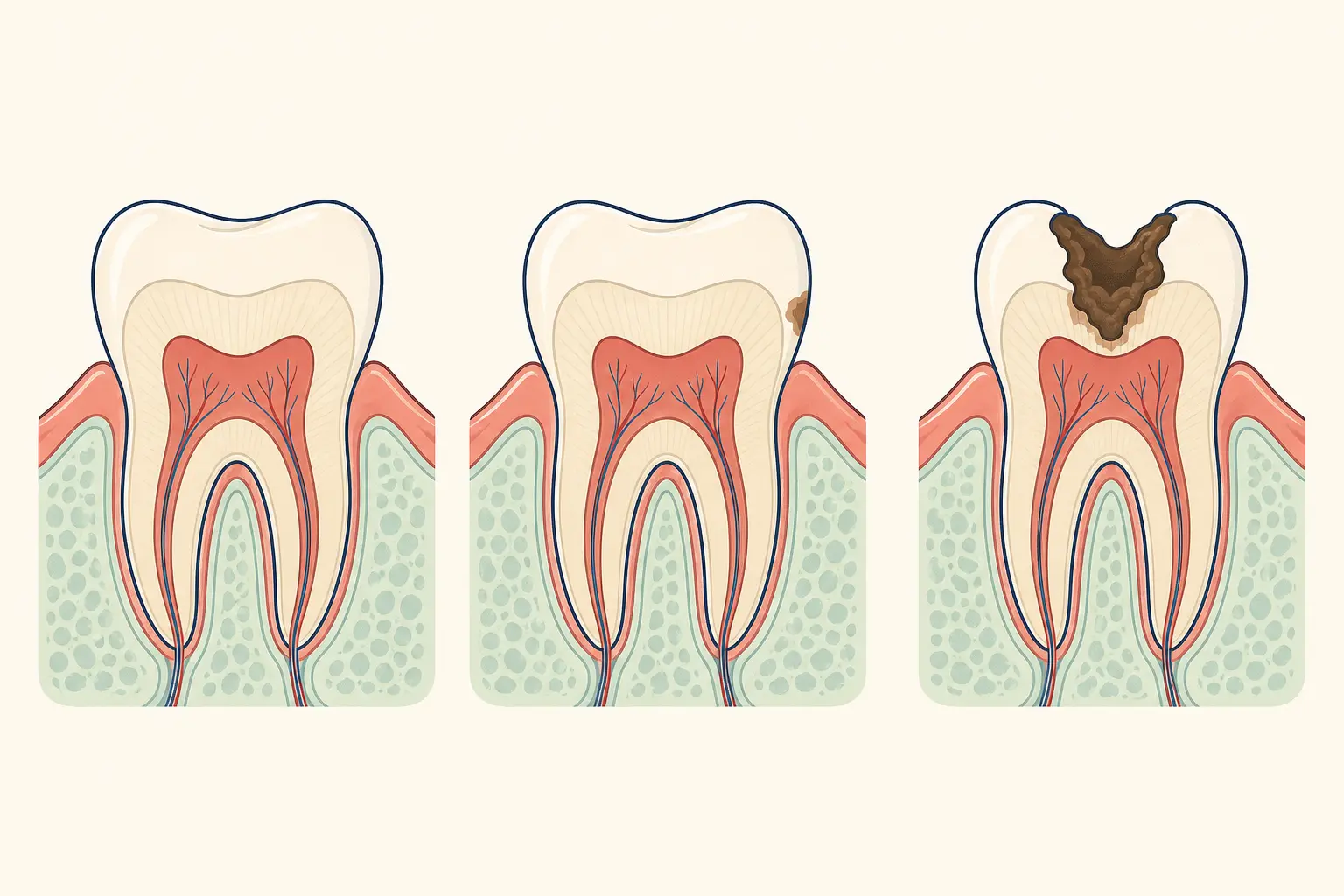
A dental concern is best managed by identifying its cause first, then choosing prevention, medicine, repair, or surgical treatment that fits the finding. The relevant examination may include the tooth surface, pulp, gums, jawbone, bite, and jaw muscles.
What is the direct answer?
What does this question mean?
Symptoms that seem similar can have different causes, including plaque, decay, gum inflammation, trauma, grinding, eruption, or infection. A diagnosis connects the symptom with the affected anatomy and determines whether the problem is reversible.
What can you do next?
Keep brushing with fluoride toothpaste and clean between the teeth while you note triggers, duration, and changes. Avoid placing household substances on the gums or tooth, and arrange an examination for a persistent concern.
When should you seek dental care?
Seek care for persistent pain, swelling, pus, bleeding, fever, a loose tooth, or a sudden colour change. Breathing or swallowing difficulty with facial swelling requires emergency help.
What should you ask the dentist?
Ask what tissue is affected, which findings confirm the diagnosis, and which options preserve natural structure. Ask what signs should prompt an earlier review and how to prevent recurrence.
Frequently asked questions
Can a dentist diagnose a problem without an X-ray?
Some findings are visible clinically, while radiographs are selected when they add information about roots, bone, decay, or hidden infection.
Why can symptoms come and go?
Inflammation and pressure can fluctuate, but intermittent symptoms can still reflect an ongoing tooth or gum problem.