
Dental question about observed-topic:530603fc7
Dental care combines daily plaque control with examinations and treatment that protect teeth, gums, the bite, and the tissues supporting the mouth.
The short answer
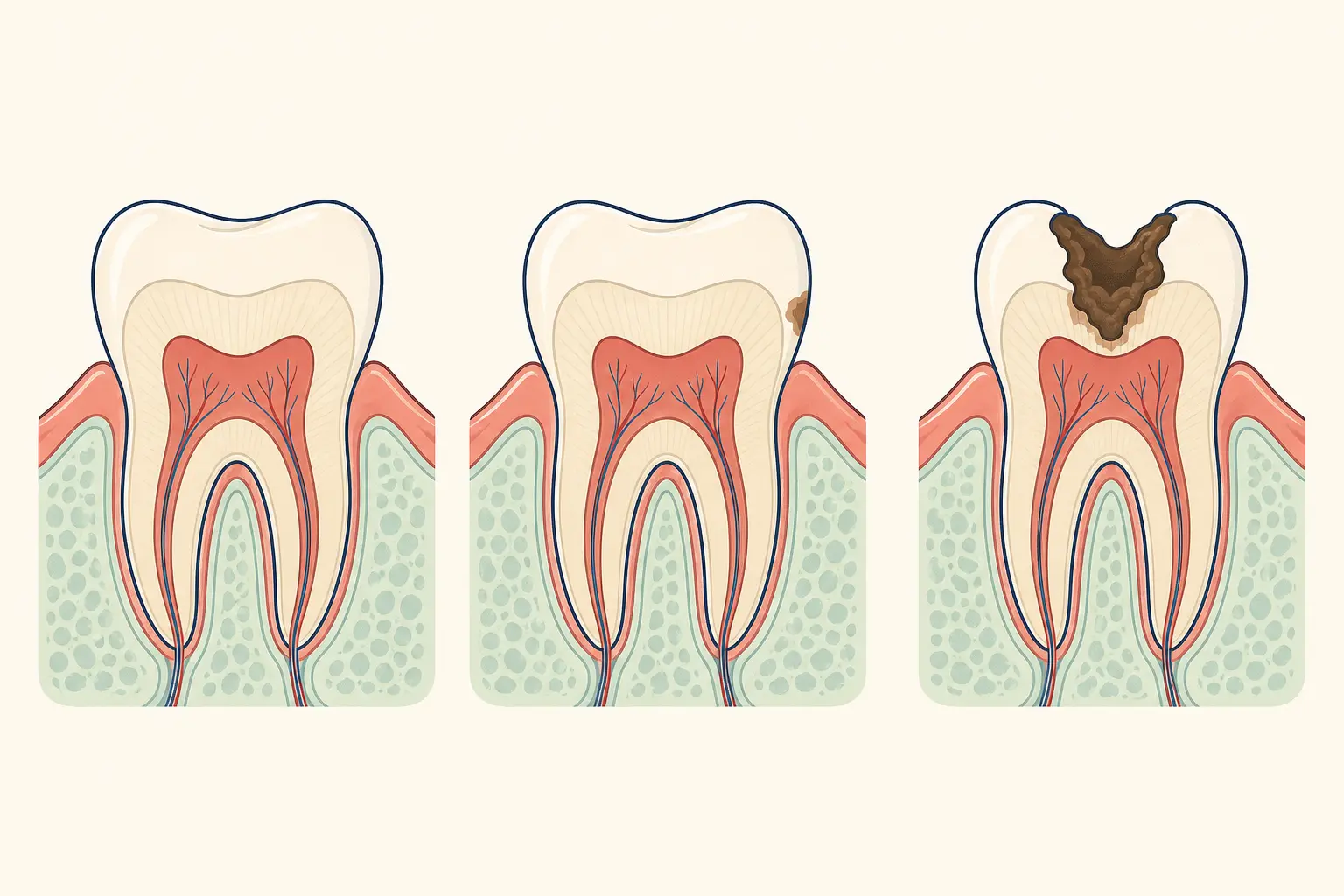
The mouth includes teeth, enamel, dentine, pulp, gingiva, periodontal ligament, jawbone, tongue, and saliva-producing tissues. Dental care addresses disease or injury in these structures through prevention, diagnosis, repair, and maintenance.
What is the direct answer?
What does this question mean?
Plaque bacteria can produce acids that demineralise enamel and toxins that inflame gingiva. Other problems come from trauma, tooth wear, altered bite, dry mouth, developmental changes, or inflammation around a tooth.
What can you do next?
Brush twice daily with fluoride toothpaste, clean between teeth, limit repeated sugary exposures, and avoid tobacco. Regular examinations and professional cleaning are adjusted to your risk, gum condition, restorations, and symptoms.
When should you seek dental care?
See a dentist for toothache, bleeding gums, swelling, broken teeth, sensitivity, ulcers that persist, or a change in bite. Urgent help is needed when swelling affects breathing, swallowing, the eye, or the neck.
What should you ask the dentist?
Ask what problems are present, which are active, and which can be prevented. Ask for the treatment sequence, home-care technique, signs of worsening, and the interval for your next review.
Frequently asked questions
Can I manage this only at home?
Home care may ease irritation, but persistent, worsening, or unexplained symptoms need an examination.
What might the dentist do?
The dentist examines the tissues and tooth, then uses cleaning, imaging, medication, repair, or drainage according to the cause.