
Dental question about observed-topic:4049840f9
A dental concern is assessed from its symptoms, affected tissue, duration, and examination findings rather than a search label.
The short answer
A dental concern needs an answer based on the symptom, the affected tissue, its duration, and findings from an examination rather than on a search label alone.
What is the direct answer?
What does this question mean?
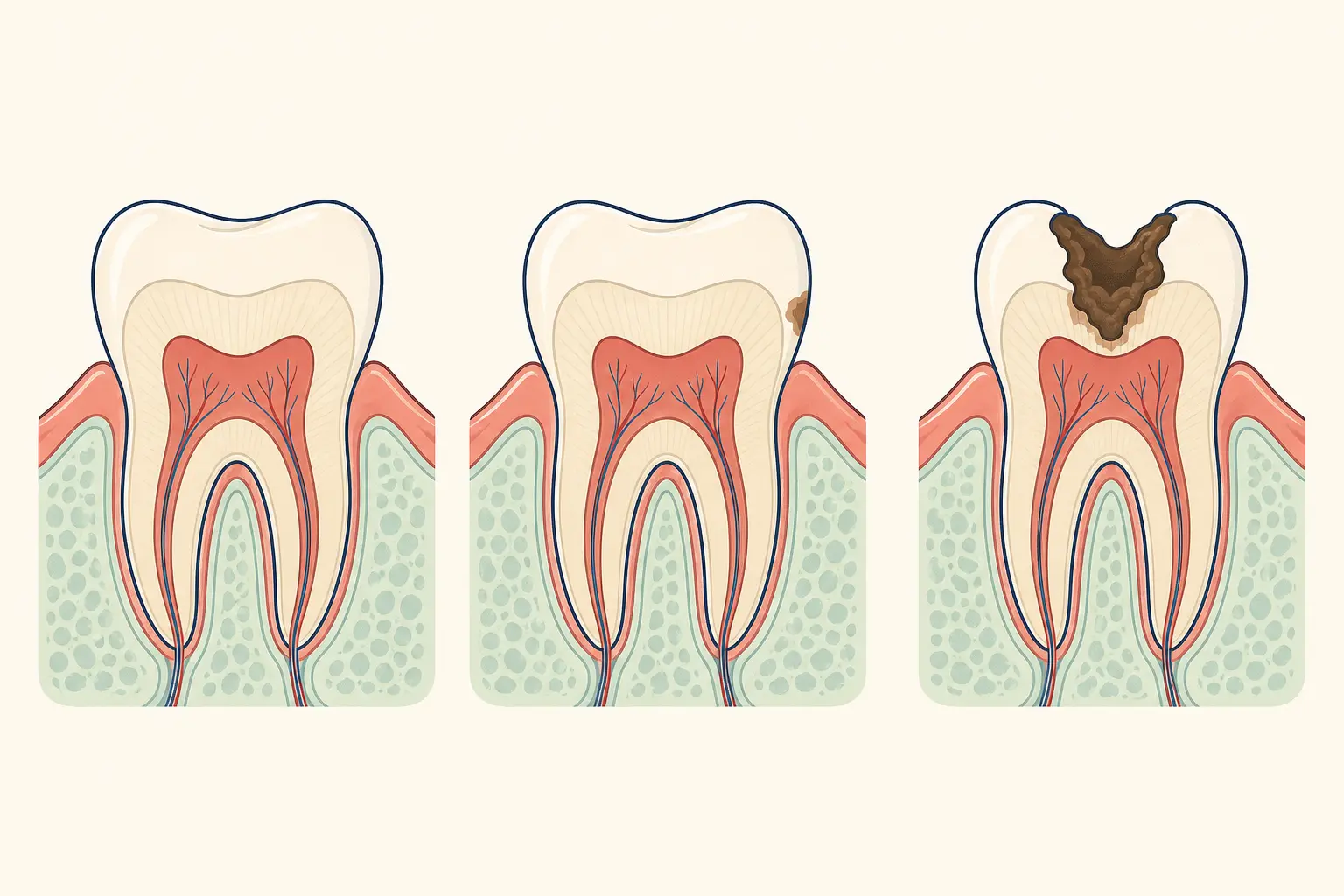
Dental problems may involve enamel, dentine, pulp, periodontal tissue, oral mucosa, salivary glands, jawbone, or the jaw joints and muscles. A clinician combines your history with visual examination, tests of tooth response, gum measurements, and imaging when indicated.
What can you do next?
Write down where the change is, when it began, what triggers it, and whether swelling, bleeding, discharge, fever, or altered sensation is present. Keep the area clean, avoid picking at it, and bring a list of medicines and relevant dental treatment history.
When should you seek dental care?
Book dental care for a persistent or changing finding, unexplained pain, bleeding, swelling, ulceration, or a change in how teeth meet. Facial swelling, fever, or trouble swallowing or breathing requires urgent assessment.
What should you ask the dentist?
Which tissue appears involved, what examination or imaging is appropriate, and which symptoms would change the urgency or treatment plan?
Frequently asked questions
Can home care replace an examination?
Home care can support comfort and cleanliness, but persistent, recurrent, or unexplained findings need a clinical assessment.
What information helps at an appointment?
Note the location, onset, triggers, duration, swelling, bleeding, discharge, and any recent dental treatment.