
Bicarbonate for teeth
Bicarbonate of soda can act as a mild abrasive, but it does not replace fluoride toothpaste or professional care for decay and gum disease.
The short answer
Bicarbonate of soda can act as a mild abrasive, but it does not replace fluoride toothpaste or professional care for decay and gum disease. Bicarbonate, also called sodium bicarbonate, is an alkaline powder. Rubbing a dry powder or paste on enamel can remove some surface deposits, while excessive abrasion or pressure can wear exposed dentine and irritate gums.
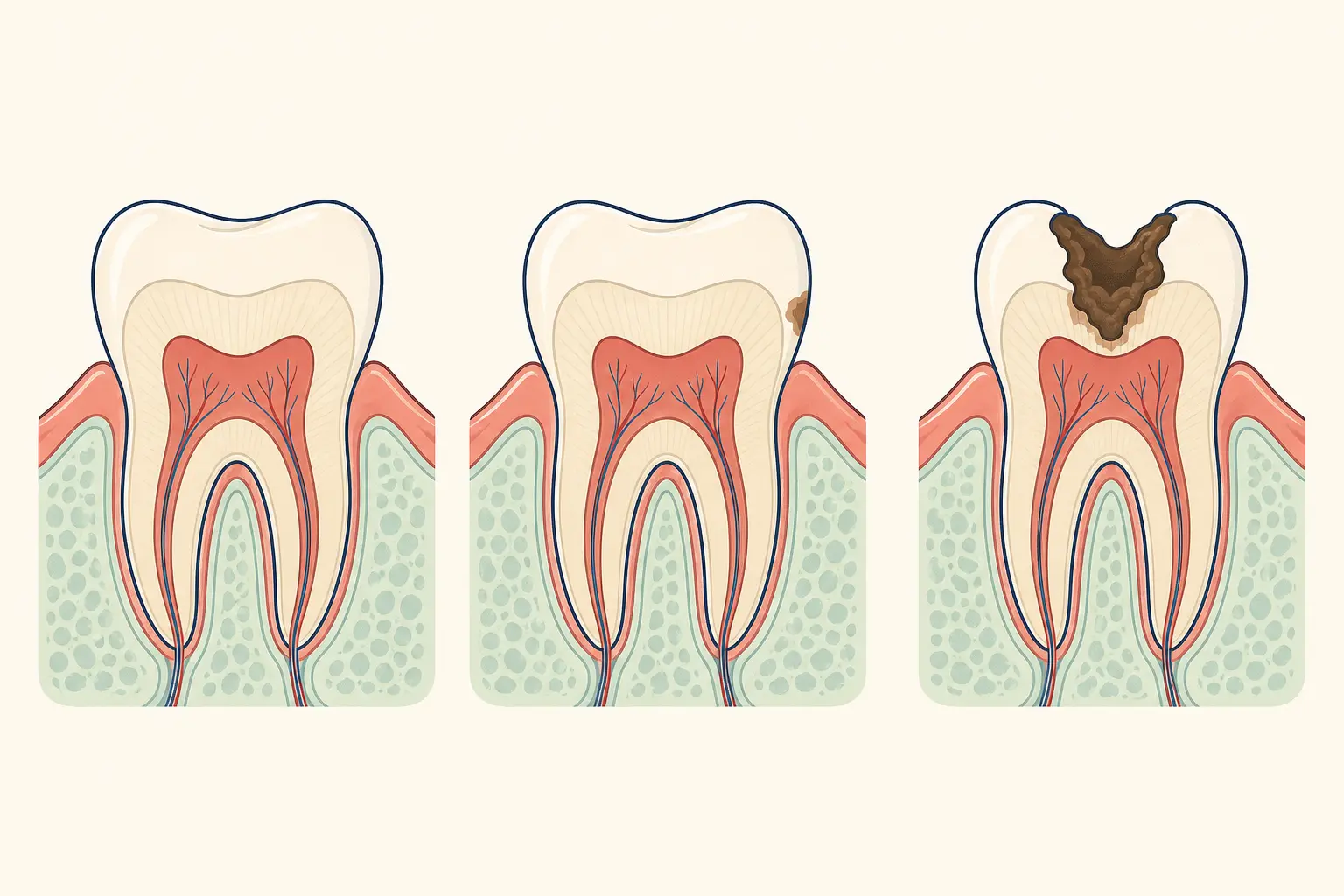
What is the direct answer?
What does this question mean?
Bicarbonate, also called sodium bicarbonate, is an alkaline powder. Rubbing a dry powder or paste on enamel can remove some surface deposits, while excessive abrasion or pressure can wear exposed dentine and irritate gums.
What can you do next?
Use a soft brush and fluoride toothpaste for routine cleaning, and do not scrub with concentrated powder or use it to treat pain, cavities, or gum bleeding. Avoid actions that could further irritate the area.
When should you seek dental care?
See a dentist for persistent sensitivity, bleeding, a cavity, discoloration that does not brush away, or any mouth sore. These features can indicate a problem that needs timely treatment.
What should you ask the dentist?
Would fluoride toothpaste, a professional cleaning, or treatment for the underlying problem be more appropriate? The answers help you understand the diagnosis and available options.
Frequently asked questions
Can the problem improve on its own?
Some mild irritation settles when the trigger is removed, but persistent, recurring, painful, or changing symptoms need an examination.
Will an X-ray always be needed?
No. The dentist chooses imaging when the history and examination suggest that it could show decay, bone, root, impaction, or another hidden problem.