
Bloody gums flossing
Bleeding during flossing often reflects inflamed gum tissue, but persistent bleeding can also indicate gum disease or local irritation.
The short answer
Bleeding during flossing is usually caused by inflamed gum tissue or traumatic technique, and careful daily cleaning plus a dental examination can identify the cause.
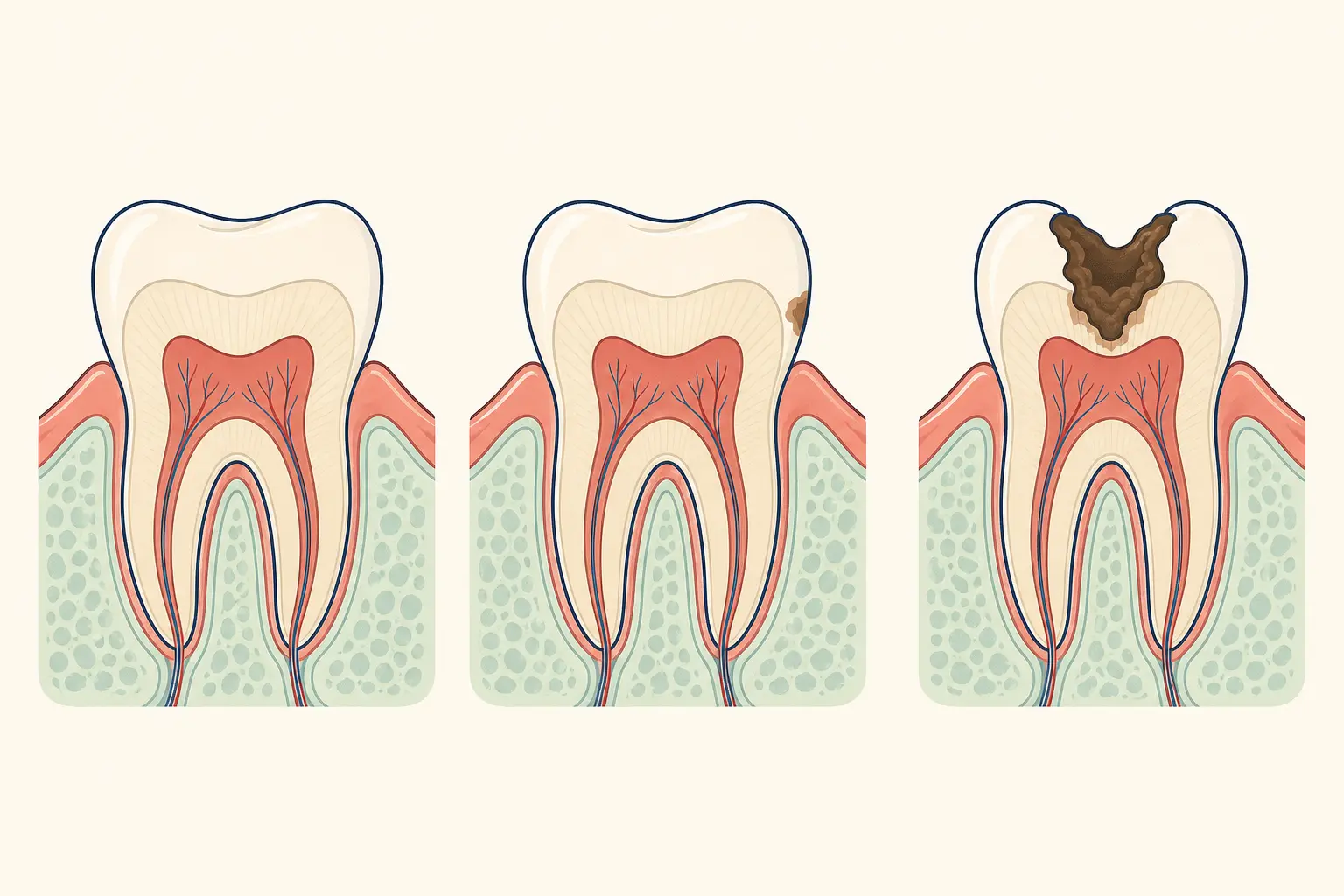
What is the direct answer?
What does this question mean?
Gums bleed when plaque irritates the gingival margin, while hard snapping or an ill-fitting restoration can injure it. The bleeding pattern, swelling, tenderness, and pocket depth help distinguish simple inflammation from periodontal disease.
What can you do next?
Use a soft brush and guide floss along each tooth in a C shape without forcing it below the gum edge. If cleaning remains difficult, a dentist or hygienist can remove calculus and demonstrate an interdental brush size.
When should you seek dental care?
Seek care when bleeding persists, gums swell or recede, teeth feel loose, or there is bad taste or pus. Facial swelling, fever, or trouble swallowing requires urgent assessment.
What should you ask the dentist?
Ask whether you have gingivitis, periodontitis, calculus, or a restoration trapping plaque. Ask which interdental aid fits each space and whether professional cleaning is needed.
Frequently asked questions
What is the main thing to remember?
Bleeding during flossing is usually caused by inflamed gum tissue or traumatic technique, and careful daily cleaning plus a dental examination can identify the cause.
What should happen next?
Ask whether you have gingivitis, periodontitis, calculus, or a restoration trapping plaque. Ask which interdental aid fits each space and whether professional cleaning is needed.