
Bright smile whitening
Teeth whitening lightens certain stains with peroxide, while a dental examination checks the enamel, gums, fillings, and cause first.
The short answer
Professional teeth whitening can lighten many surface and internal tooth stains, but the dentist should first check enamel, gums, fillings, and the cause of discoloration. Whitening gels use peroxide to break down colored molecules within enamel and dentin; they do not change the color of crowns, veneers, or fillings.
What is the direct answer?
What does this question mean?
A brighter smile may involve removing plaque and hardened calculus, polishing external stains, or bleaching natural teeth. Coffee, tea, tobacco, aging, enamel wear, trauma, and some medicines can produce different types of discoloration, so the useful treatment depends on the cause.
What can you do next?
Arrange an examination and cleaning before bleaching. A dentist may use an in-office peroxide treatment or provide custom trays for home use, with instructions about gel placement, wear time, and sensitivity control; avoid applying concentrated household peroxide directly to teeth or gums.
When should you seek dental care?
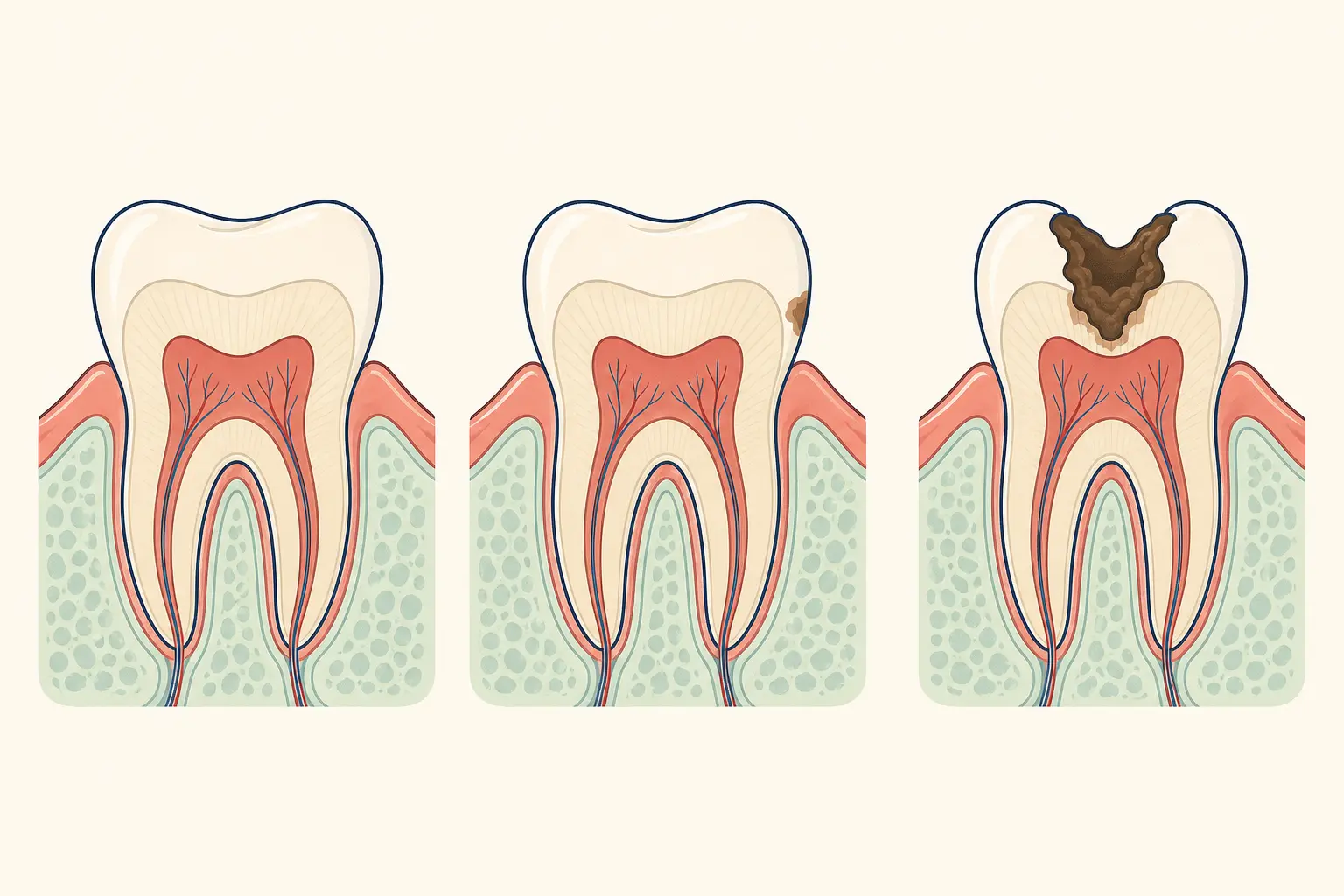
Seek care before whitening if you have bleeding gums, cavities, cracks, ulcers, or sharp sensitivity. A single dark tooth, discoloration after an injury, or a stain that does not respond to cleaning may need an examination for pulpal disease or a restoration rather than bleaching.
What should you ask the dentist?
Ask which stains are present, whether your enamel and gums are ready, and which existing restorations will not change color. Also ask how sensitivity will be managed and whether whitening, cleaning, bonding, or replacement of a restoration best matches your goal.
Frequently asked questions
Will whitening remove every stain?
No. External stains may respond to cleaning, while deep, developmental, traumatic, or restoration-related discoloration may need another treatment.
Can whitening cause sensitivity?
Peroxide can temporarily irritate the tooth nerve or gums, especially when the gel contacts soft tissue or the tooth has exposed dentin.