
Brushing teeth gum recession
Brushing does not usually cause recession when it is gentle and properly directed, but forceful scrubbing, an abrasive routine, or a thin gum margin c
The short answer
Brushing does not usually cause recession when it is gentle and properly directed, but forceful scrubbing, an abrasive routine, or a thin gum margin can contribute to wear.
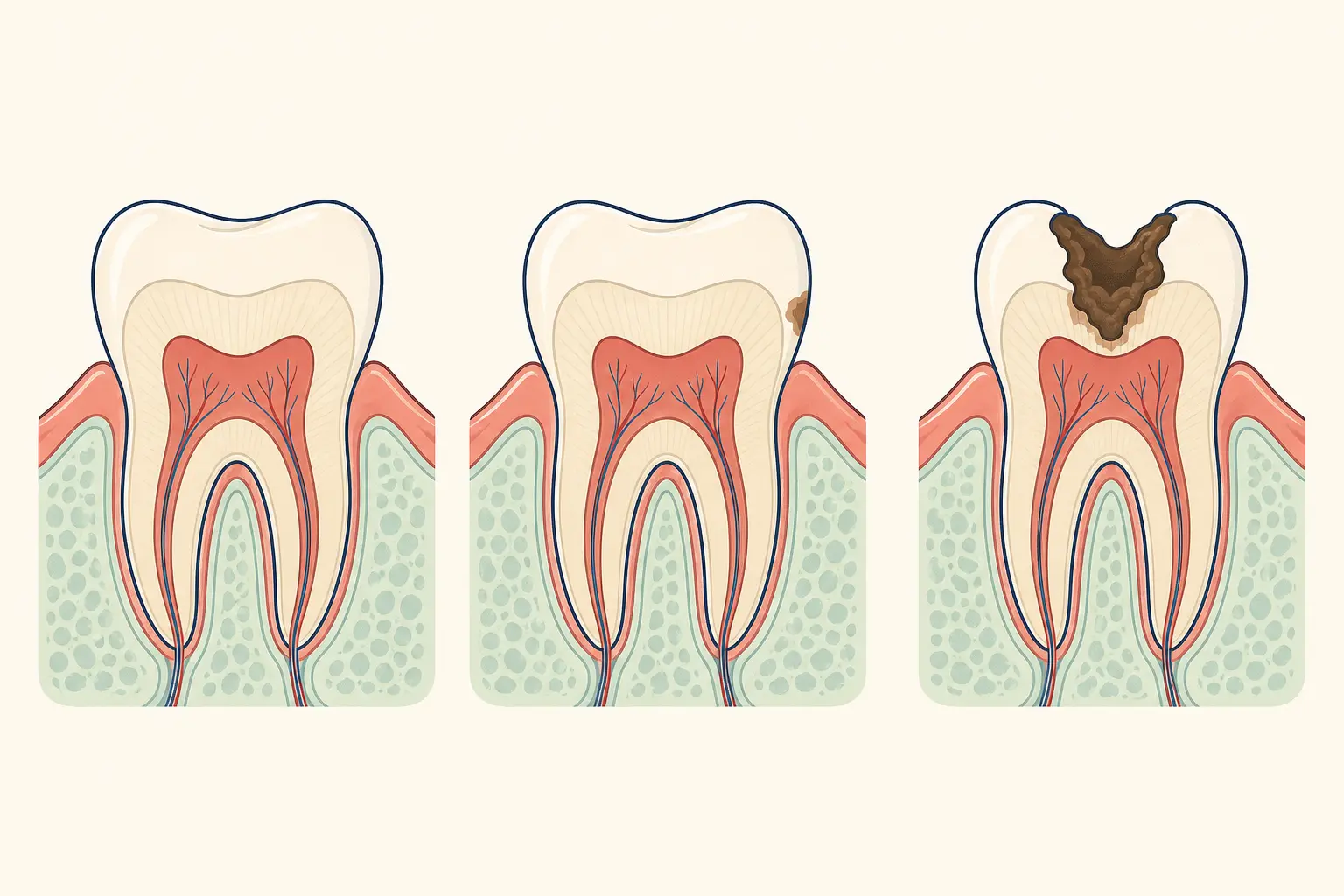
What is the direct answer?
What does this question mean?
Gum recession is apical movement of the gingival margin that exposes more root surface. Causes can include traumatic brushing, periodontal inflammation, naturally thin tissue, tooth position, clenching, and local irritation, so brushing technique is only one possible factor.
What can you do next?
Use a soft-bristled brush, light pressure, and small controlled movements at the gumline with fluoride toothpaste. Do not stop cleaning the margin; ask for a technique review and use interdental cleaning suited to your contacts.
When should you seek dental care?
Book an examination for progressive root exposure, bleeding, sensitivity, a notch near the gumline, mobility, or a change around one tooth. The dentist may measure recession and pocket depth and assess plaque, bite, and tooth position.
What should you ask the dentist?
How much recession is present?
Frequently asked questions
What is the first practical point to remember?
Brushing does not usually cause recession when it is gentle and properly directed, but forceful scrubbing, an abrasive routine, or a thin gum margin can contribute to wear.
Should I use a hard toothbrush for cleaner teeth?
A hard brush is not needed for effective plaque removal and can increase abrasion when pressure is excessive.
Why are exposed roots sensitive?
Root dentin has microscopic tubules that can transmit fluid movement toward the pulp when exposed to cold, touch, or sweet foods.