
Bump behind lower teeth
A firm bump behind the lower front teeth may be normal jaw anatomy, a salivary-duct structure, irritation, infection, or another oral lump.
The short answer
A hard, stable prominence behind the lower incisors can be normal lingual jaw anatomy, while a new, painful, ulcerated, or growing lump needs examination.
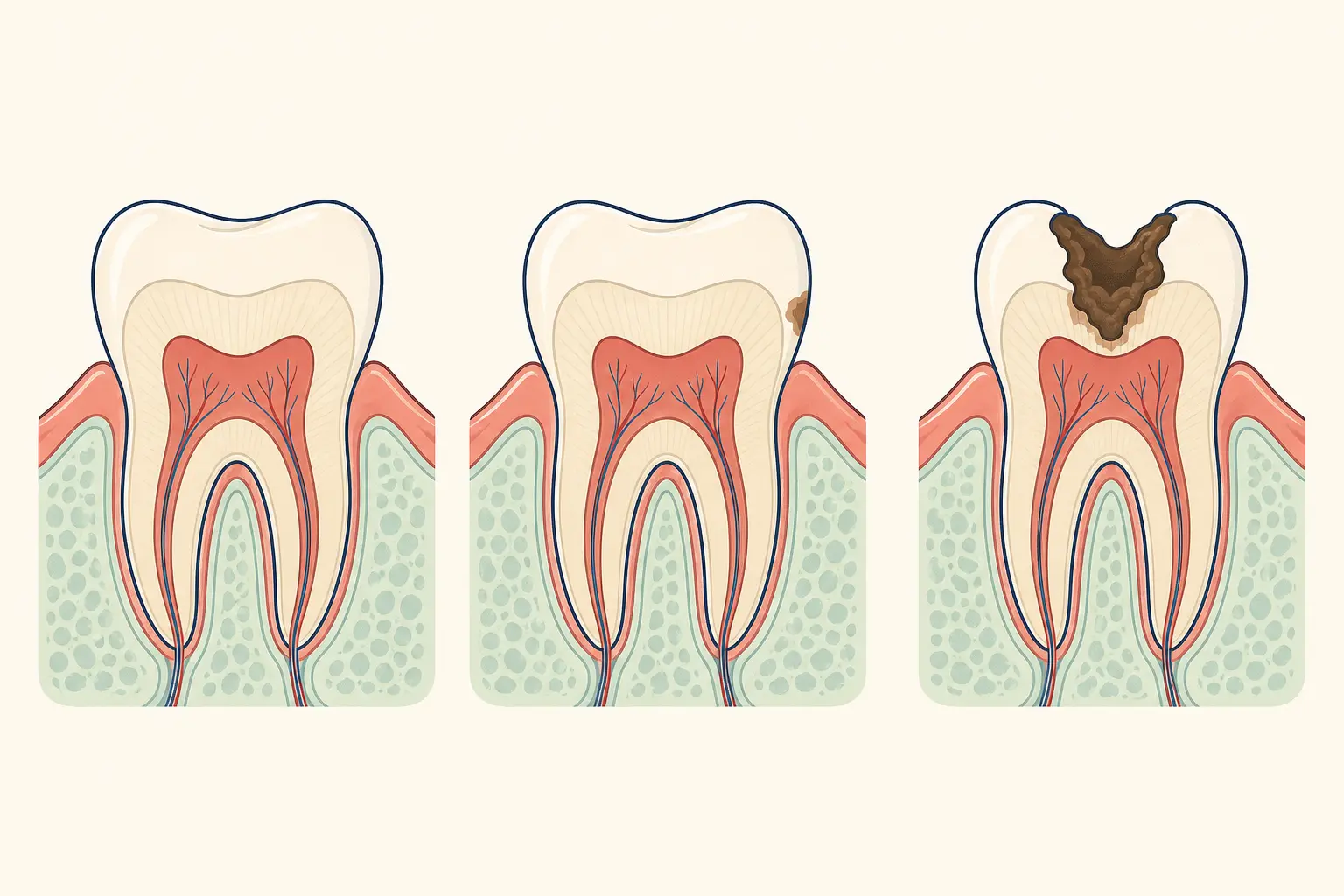
What is the direct answer?
What does this question mean?
The tongue side of the lower front teeth contains the lingual cortical plate, salivary duct openings, and gum tissues. A dentist distinguishes normal anatomy from calculus, a bony growth, cyst, abscess, trauma, or a soft-tissue lesion by its texture, color, duration, and relationship to teeth.
What can you do next?
Do not scratch, cut, or squeeze the bump. Brush gently, note when it appeared, and check whether it changes with meals, biting, or contact with a sharp tooth or denture.
When should you seek dental care?
Book dental care for a new or enlarging lump, bleeding, ulceration, numbness, drainage, tooth pain, or a lesion that does not settle. Swelling with fever or trouble swallowing needs urgent assessment.
What should you ask the dentist?
Ask whether the prominence is bone, calculus, salivary tissue, or an inflamed lesion. Ask whether a dental radiograph, periodontal examination, or referral for tissue assessment is needed.
Frequently asked questions
What is the most common explanation?
The cause depends on location, duration, triggers, examination findings, and the condition of nearby tissues.
What happens at an appointment?
The dentist reviews the history, examines the mouth, tests relevant teeth, and uses imaging or treatment when findings call for it.