
Dental question about observed-topic:d7d856f12
A dental concern is answered by identifying the symptom, affected structure, timing, and warning signs that need prompt examination.
The short answer
A dental concern should be assessed by identifying its symptom, location, timing, triggers, and any changes in the teeth, gums, bite, or face.
What is the direct answer?
What does this question mean?
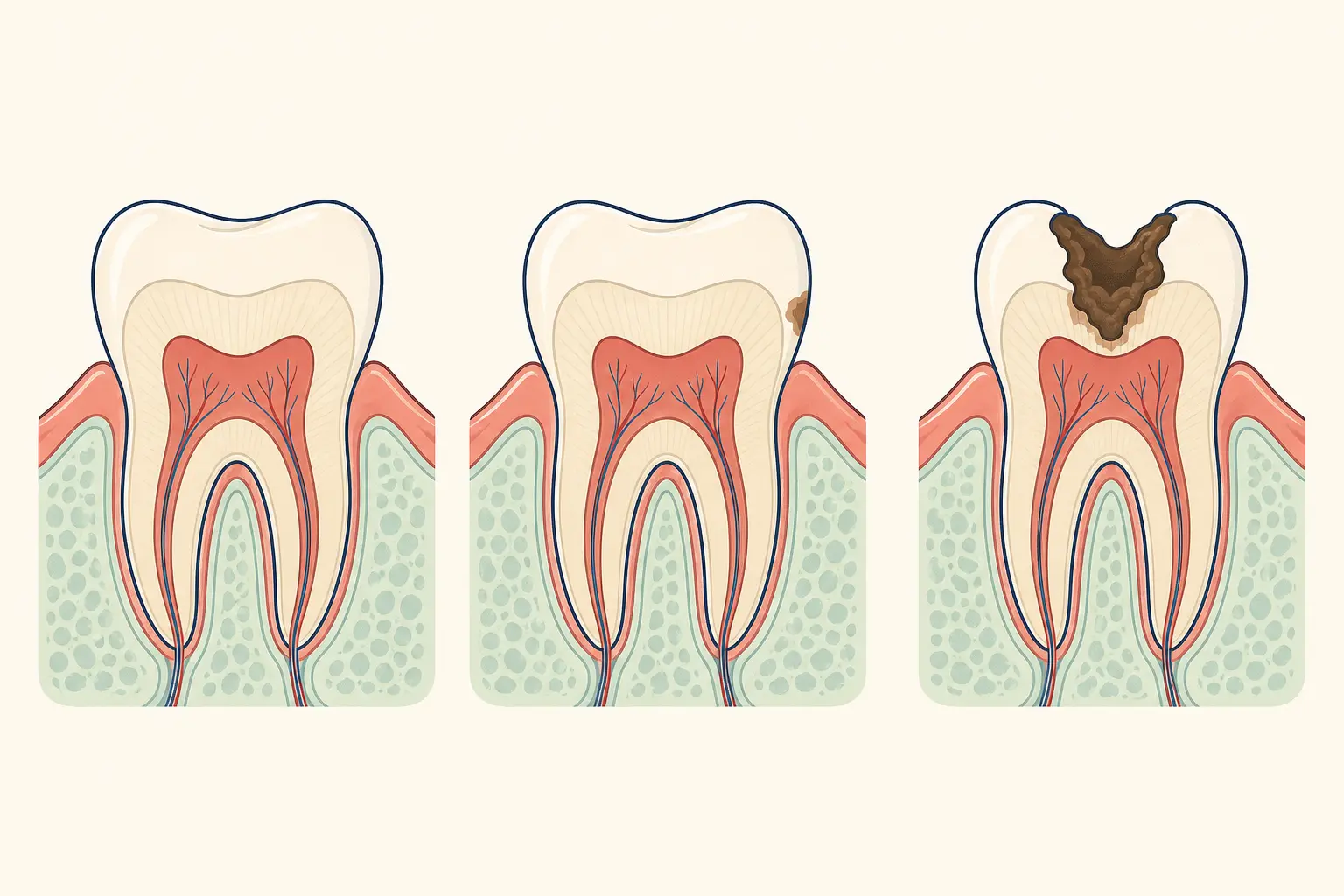
A dentist may examine enamel, dentin, pulp, gums, jaw joints, and oral soft tissues because similar symptoms can arise from different structures. The history helps distinguish injury, infection, inflammation, wear, and bite-related problems.
What can you do next?
Record when the issue began, what provokes it, recent dental work, injury, medicines, and any swelling or fever. Keep the area clean and avoid placing caustic substances on the tooth or gum.
When should you seek dental care?
Arrange prompt care for persistent pain, swelling, trauma, uncontrolled bleeding, fever with a dental symptom, or a loose tooth. Breathing or swallowing difficulty requires emergency attention.
What should you ask the dentist?
Ask which structure is affected, what examination or imaging is needed, which treatments address the cause, and what changes require urgent review.
Frequently asked questions
Can dental pain come from somewhere other than a cavity?
Yes. Cracks, pulp inflammation, gum disease, trauma, exposed roots, and bite problems can also cause pain.
Why might imaging be needed?
Some problems involve roots, bone, or unerupted structures that cannot be judged from the visible tooth surface alone.