
Clove bud oil for teeth
Clove bud oil contains eugenol, but it cannot repair decay and concentrated contact can irritate oral tissues.
The short answer
Clove bud oil contains eugenol, but it cannot repair decay and concentrated contact can irritate oral tissues. A toothache needs diagnosis because the treatment may involve a filling, pulp treatment, or care of the gum rather than an oil.
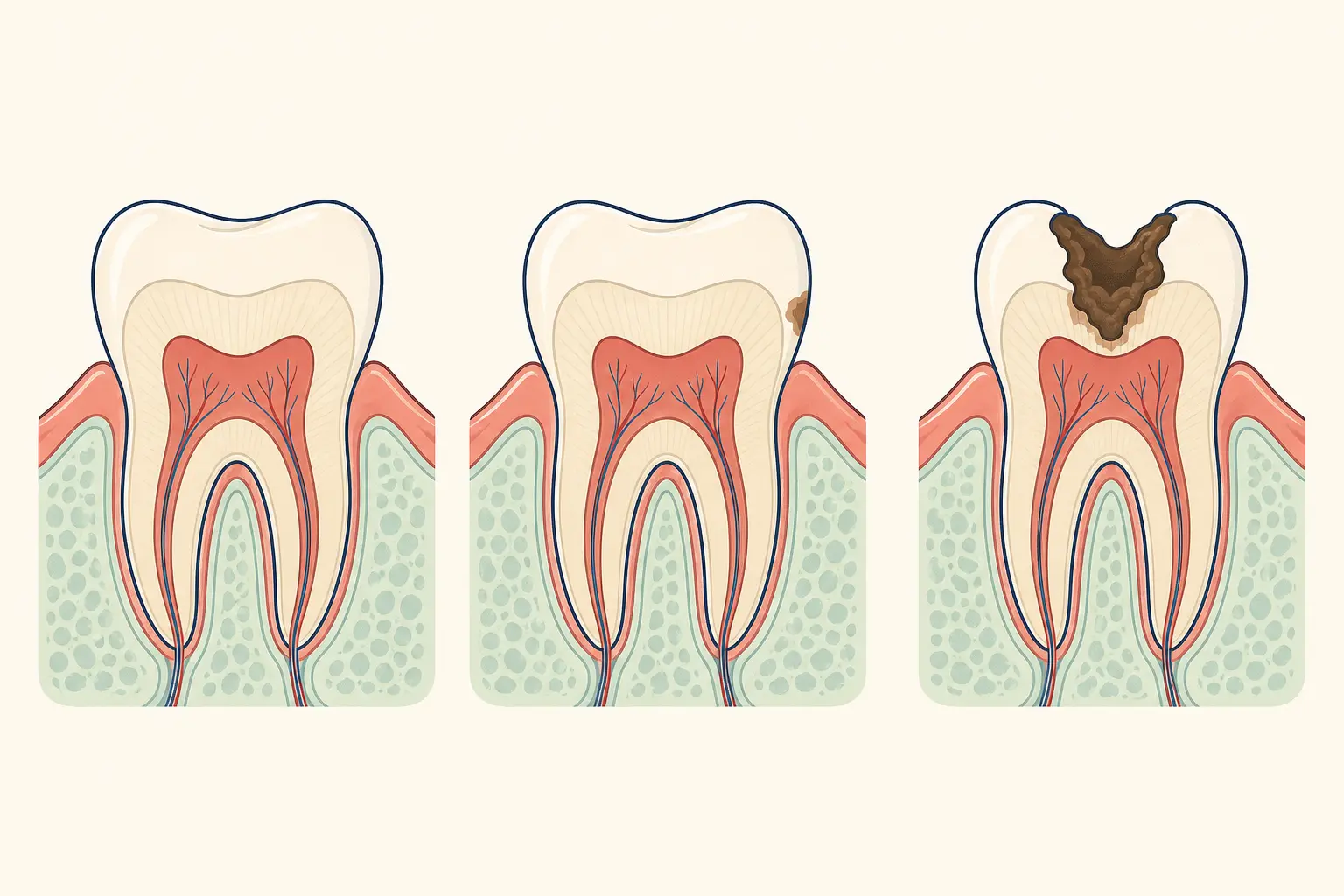
What is the direct answer?
What does this question mean?
Eugenol is an aromatic compound associated with the clove plant and is used in some dental materials and temporary dressings. A household oil is not the same as a dentist-applied formulation, where concentration, placement, and isolation are controlled.
What can you do next?
Do not put undiluted oil on a tooth, filling, tongue, or gum, and do not swallow it. Rinse gently, keep the area clean, avoid the trigger, and use a labelled pain medicine only as directed while arranging dental care.
When should you seek dental care?
Arrange an appointment for pain, a broken tooth, a hole, or sensitivity that keeps returning. Seek urgent attention for facial swelling, fever, spreading redness, uncontrolled bleeding, or difficulty swallowing or breathing.
What should you ask the dentist?
Ask whether decay, a crack, exposed dentin, or inflamed pulp explains the symptom and whether a dental radiograph is needed. If you already applied oil, tell the dentist where, how much, and whether it caused burning or numbness.
Frequently asked questions
Can clove oil cure a cavity?
No. A cavity requires removal of diseased tooth structure and restoration when treatment is indicated.
What if clove oil burns my gum?
Stop applying it, rinse gently with water, and obtain dental or medical advice if burning, swelling, or persistent pain follows.