
Colgate smile for good whitening toothpaste
Whitening toothpaste mainly removes surface stain through its ingredients and brushing action, rather than changing deep tooth colour.
The short answer
Whitening toothpaste mainly removes surface stain through its ingredients and brushing action, rather than changing deep tooth colour. Use it as a toothpaste, not as a concentrated whitening gel or a substitute for a dental examination.
What is the direct answer?
What does this question mean?
Toothpaste may contain mild abrasives that lift external stains from tea, coffee, tobacco, or food. A toothpaste does not remove a filling or crown, and the underlying enamel colour may remain unchanged.
What can you do next?
Brush twice daily with a soft brush and light pressure, following the product directions and spitting rather than swallowing the paste. If you have sensitivity, enamel wear, or gum recession, ask whether a less abrasive formula is a better choice.
When should you seek dental care?
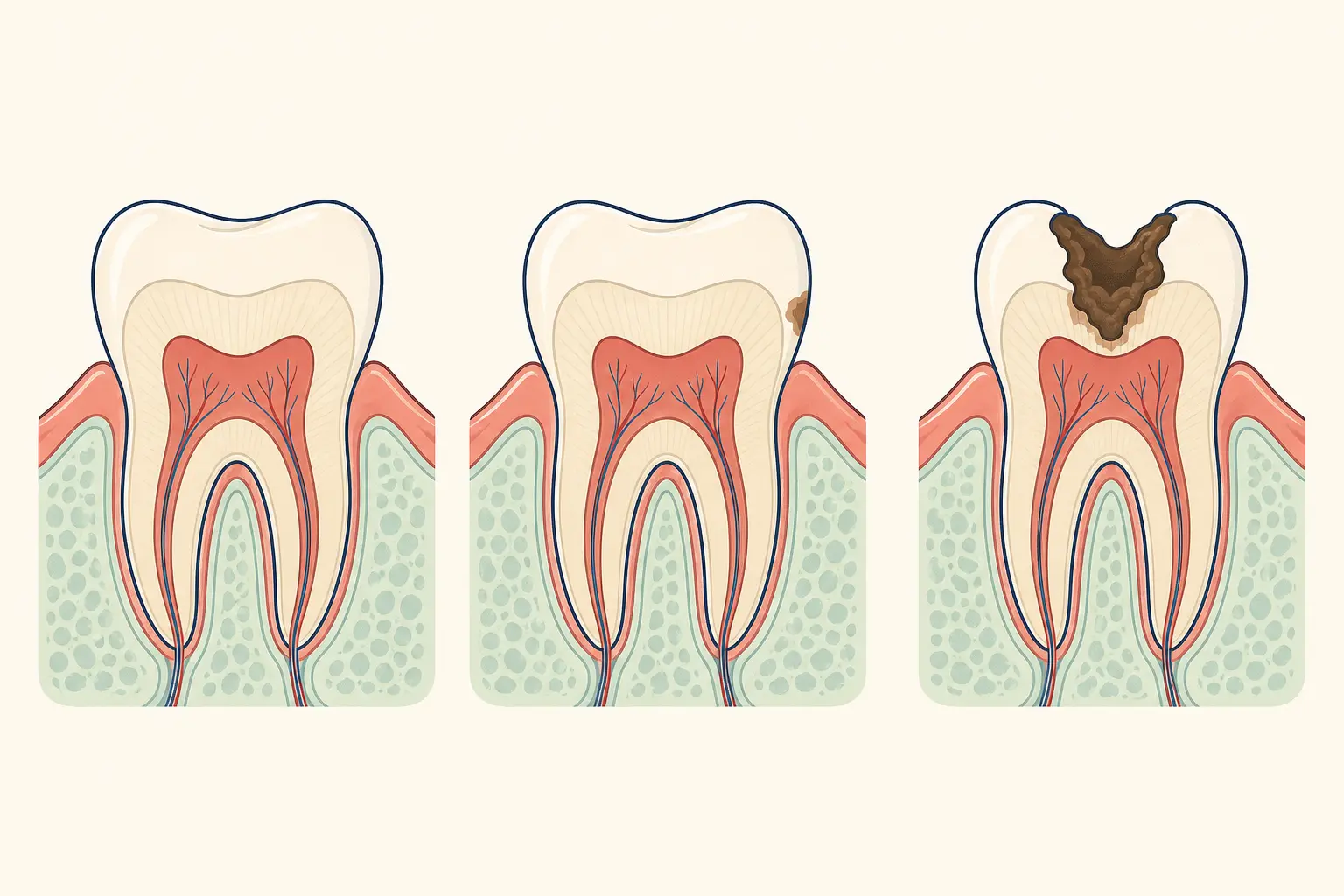
Arrange an examination for a dark single tooth, pain, roughness, a cavity, or stains that do not improve with routine cleaning. A dentist can distinguish surface stain from decay, enamel defects, or an internal tooth colour change.
What should you ask the dentist?
Ask whether the discolouration is external or inside the tooth and whether polishing, peroxide whitening, or restorative treatment fits the diagnosis. Ask how to protect exposed roots and existing restorations.
Frequently asked questions
Is whitening toothpaste the same as bleaching?
No. Toothpaste mainly removes surface deposits, while peroxide bleaching changes some internal stain molecules.
Can it make sensitive teeth worse?
Abrasive brushing or exposed dentine may aggravate sensitivity, so persistent symptoms need assessment.