
Coming blood from mouth
Blood from the mouth can come from the gums, tongue, cheek, nose, throat, or a recent dental wound, so the first step is to locate the source. Apply c
The short answer
Blood from the mouth can come from the gums, tongue, cheek, nose, throat, or a recent dental wound, so the first step is to locate the source. Apply clean gauze with steady pressure to a visible mouth wound while arranging care if bleeding continues or returns.
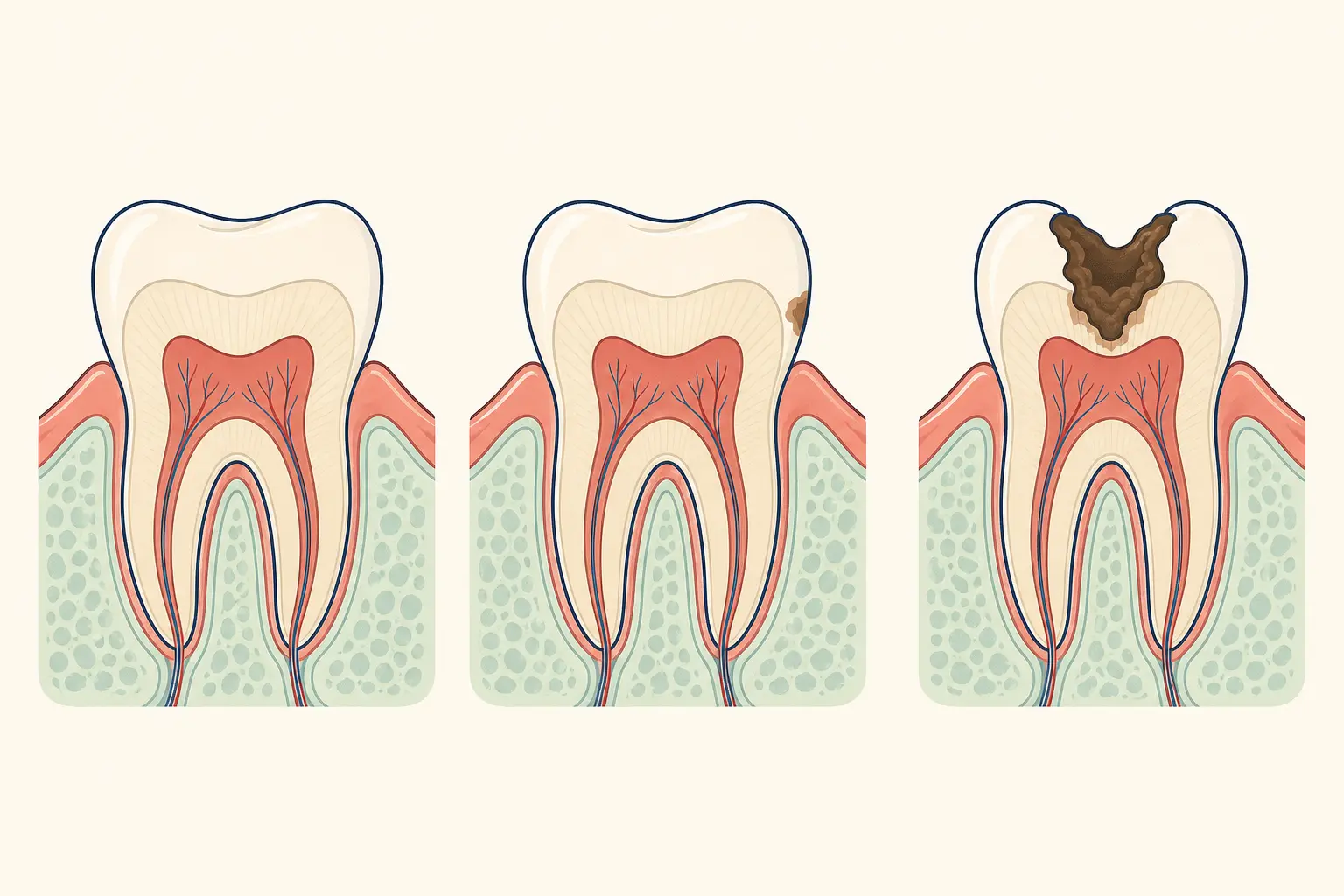
What is the direct answer?
What does this question mean?
Common dental sources include inflamed gums, a cut from food or a sharp tooth, a bitten cheek, an erupting tooth, an extraction site, or an abscess that drains. Blood coughed up from the airway or vomited blood is different and needs medical assessment.
What can you do next?
Sit upright, spit gently rather than repeatedly rinsing, and press gauze against a bleeding socket or wound for a sustained interval. Avoid smoking, alcohol, vigorous rinsing, and disturbing a clot. A clinician may examine gums and mucosa, check teeth and extraction sites, and review medicines.
When should you seek dental care?
Seek urgent care for heavy bleeding, bleeding that does not settle with pressure, dizziness, weakness, facial swelling, or recent injury. Get emergency care for breathing difficulty, vomiting blood, or blood from the chest or airway.
What should you ask the dentist?
Where exactly is the blood coming from, and is it linked to brushing, coughing, vomiting, an extraction, or an injury? Do my medicines or medical conditions affect clotting?
Frequently asked questions
Can home care fix the cause?
It may reduce irritation temporarily, but decay, infection, calculus, or a damaged tooth needs cause-specific treatment.
What will the dentist check?
The dentist will examine the tissues and teeth, ask about timing and triggers, and use tests or imaging when they change treatment.