
Dental question about observed-topic:dac12d166
Dental concerns are answered by identifying the tooth, gum, jaw, or bite problem and matching treatment to its cause and severity.
The short answer
A dental concern is evaluated by identifying the affected oral structure, finding its cause, and choosing care that matches the clinical findings.
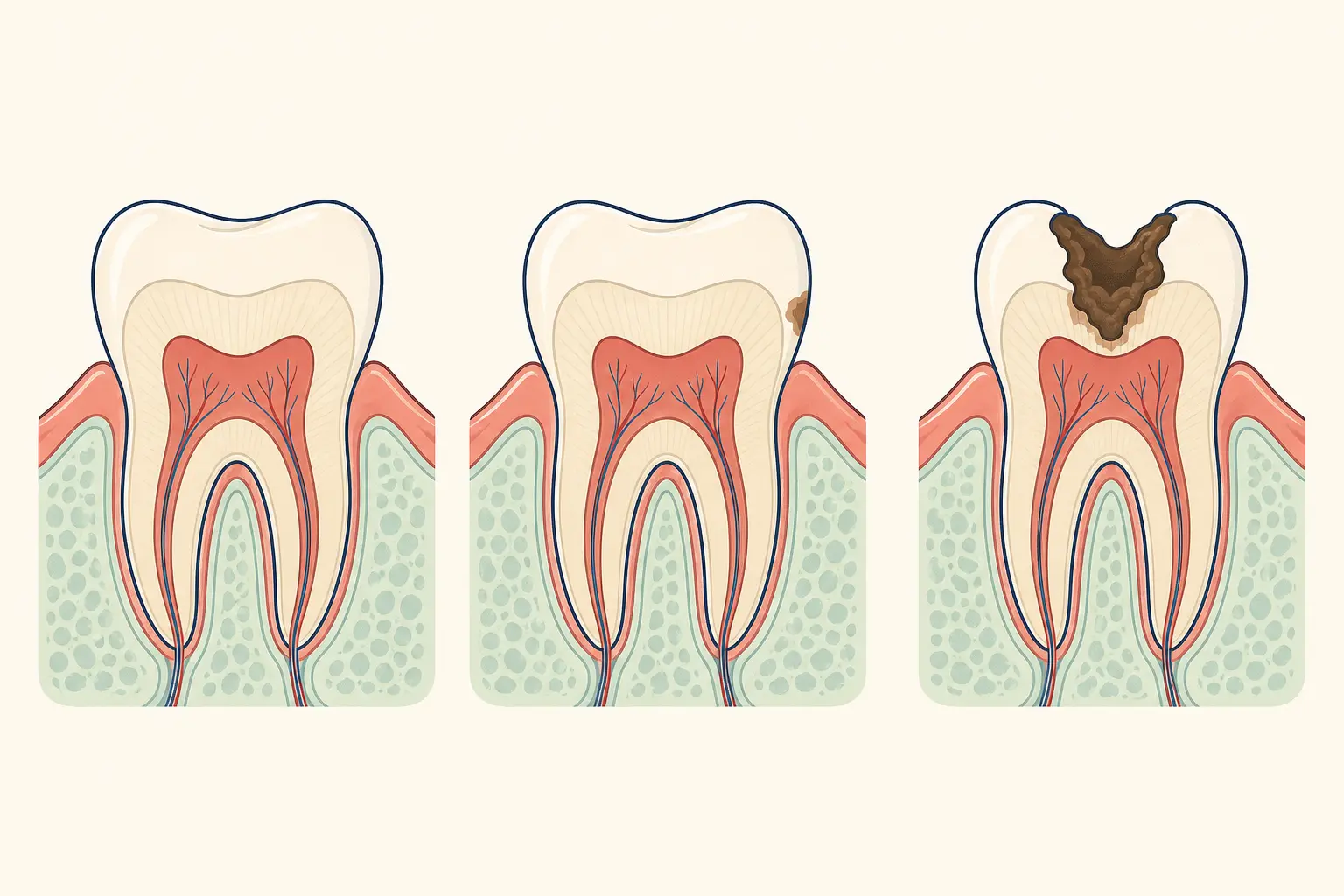
What is the direct answer?
What does this question mean?
The mouth includes teeth, enamel, dentin, pulp, gums, periodontal bone, tongue, salivary glands, jaw joints, and muscles. Symptoms can overlap, so the location and pattern matter.
What can you do next?
Note when the problem began, what triggers it, and whether there is swelling, bleeding, sensitivity, altered bite, or limited opening. Continue gentle brushing and interdental cleaning, and avoid placing aspirin or other chemicals on oral tissues.
When should you seek dental care?
Book an examination for persistent pain, a broken tooth, bleeding gums, a new lump, or a change in chewing. Seek prompt care for facial swelling, fever, uncontrolled bleeding, or trouble breathing or swallowing.
What should you ask the dentist?
Ask which structure is affected, what findings support the diagnosis, whether imaging or pulp testing is needed, and which treatment options preserve the most healthy tissue.
Frequently asked questions
Can one symptom have several causes?
Yes. For example, pain may arise from pulp inflammation, a crack, gum disease, or a bite problem.
Will an X-ray always be needed?
Not always. The dentist chooses imaging when examination findings make it useful.