
Dental question about observed-topic:ab2cd62c2
A new or unexplained oral symptom should be assessed by location, duration, visible changes, and associated pain, swelling, bleeding, or altered function.
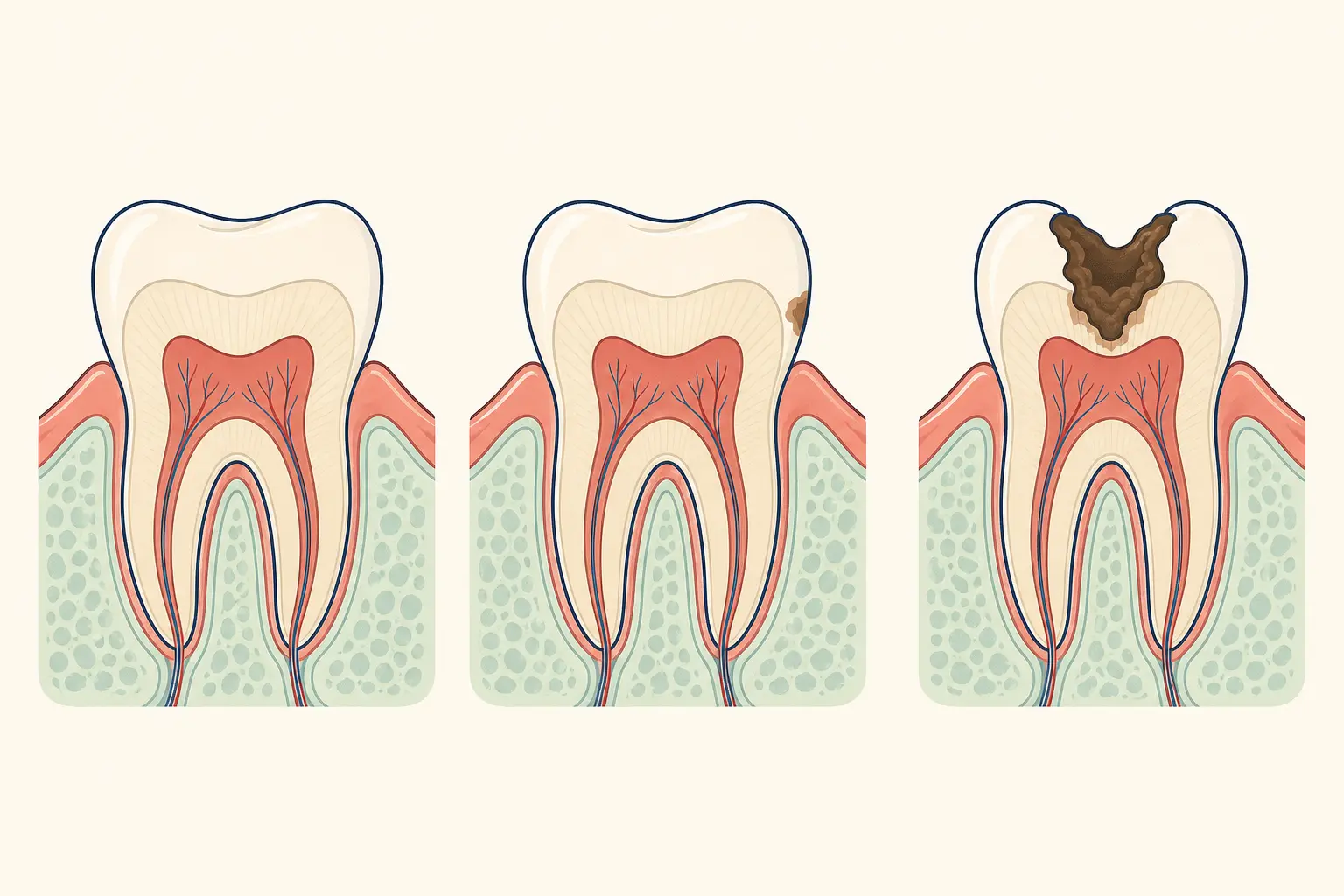
What is the direct answer?
A new or unexplained oral symptom should be assessed by location, duration, visible changes, and associated pain, swelling, bleeding, or altered function.
What does this question mean?
Symptoms can arise from teeth, enamel, dentin, pulp, periodontal tissue, oral mucosa, jaw muscles, or the temporomandibular joint. Diagnosis combines history, inspection, palpation, periodontal measurements, pulp tests, and radiographs when indicated.
What can you do next?
Record when it began, triggers, progression, and effects of temperature, chewing, brushing, or jaw movement. Keep the area clean, avoid repeatedly testing it with sharp objects or extreme temperatures, and use only medicines suitable for your health history.
When should you seek dental care?
Seek prompt care for persistent or worsening symptoms, spontaneous tooth pain, swelling, pus, fever, ongoing bleeding, a loose tooth, or difficulty opening the mouth. Facial swelling or trouble breathing or swallowing requires urgent medical attention.
What should you ask the dentist?
Ask which tissues could explain the symptom, what tests are needed, what findings change treatment, and which warning signs require faster review.
Frequently asked questions
Why is the cause not obvious?
Oral tissues share nerve pathways, and disease may be hidden beneath a restoration, inside pulp, or below the gumline.
Should I wait if it is mild?
If it persists, recurs, or changes, arrange an examination rather than relying on intensity alone.