
Dental question about observed-topic:ab32e5482
Dental care includes prevention, diagnosis, treatment, and maintenance for the teeth, gums, jaw, and supporting oral tissues.
The short answer
Dental care includes preventing disease, examining the mouth, treating problems, and maintaining the teeth, gums, jaw, and supporting oral tissues. It can involve home hygiene, professional cleaning, fillings, gum treatment, tooth replacement, orthodontics, or oral surgery.
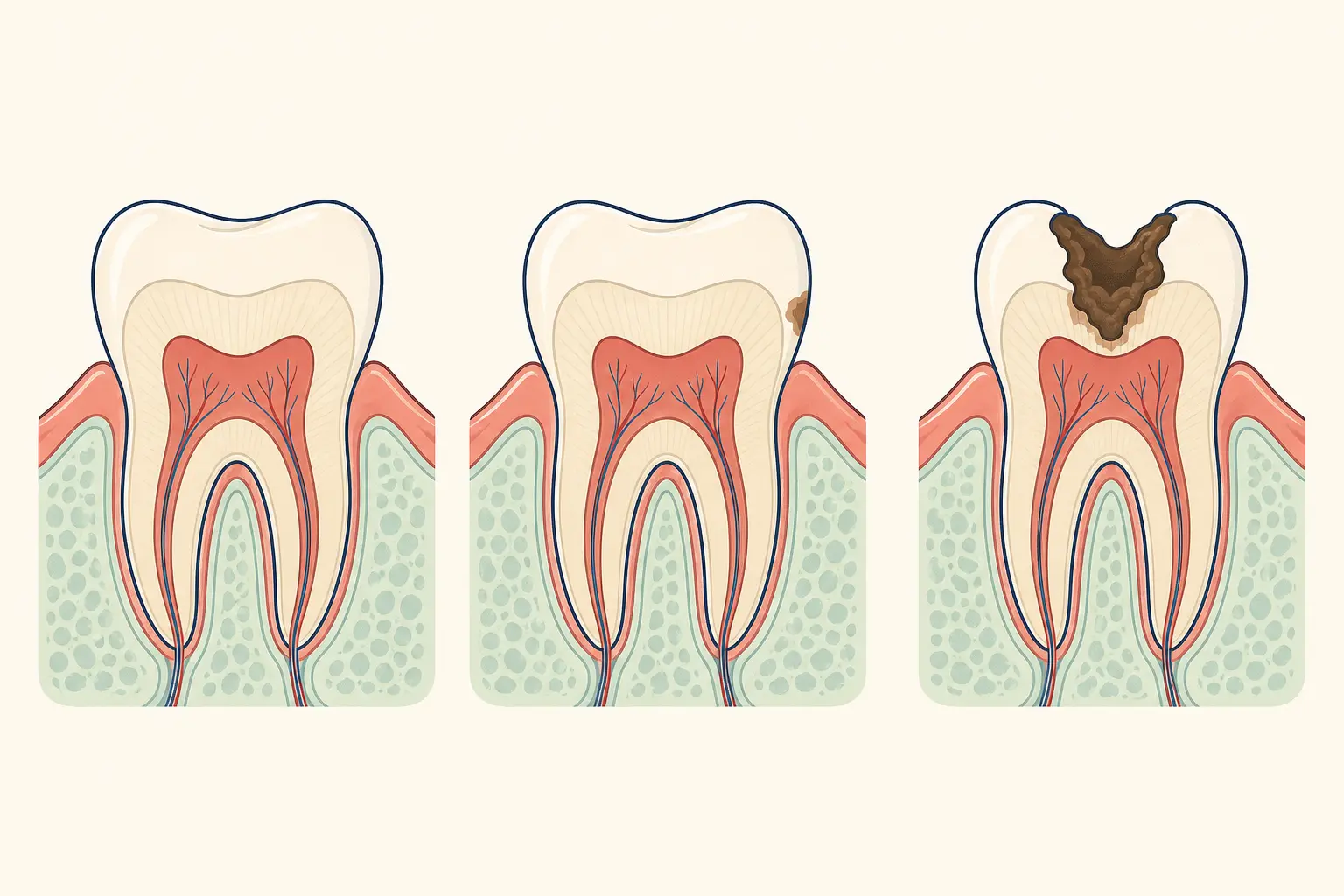
What is the direct answer?
What does this question mean?
Dental care covers more than treating toothache: it also addresses enamel, dentine, pulp, periodontal tissues, the bite, jaw joints, and oral mucosa. A dental assessment combines symptoms, visual findings, probing, bite checks, and imaging when needed.
What can you do next?
Brush the teeth with fluoride toothpaste, clean between them, limit frequent sugary drinks and foods, and arrange regular examinations suited to your mouth. Treat bleeding gums, sensitivity, pain, ulcers, and broken teeth as reasons to arrange an assessment rather than ignoring them.
When should you seek dental care?
Seek care for persistent pain, swelling, bleeding gums, loose teeth, sensitivity that continues, a change in the bite, or an ulcer that does not heal. Urgent help is needed for facial swelling, uncontrolled bleeding, or difficulty breathing or swallowing.
What should you ask the dentist?
Ask which findings need treatment, how the proposed procedure addresses the anatomy involved, and what alternatives exist. Ask how to clean the area, what recovery involves, and which symptoms should trigger a review.
Frequently asked questions
What happens at a dental examination?
The dentist reviews your concerns, examines the mouth and bite, checks the gums and teeth, and orders imaging when it will clarify a diagnosis.
Is dental care only for people with pain?
No. Prevention and examinations can identify plaque-related disease, decay, gum problems, and bite changes before pain develops.